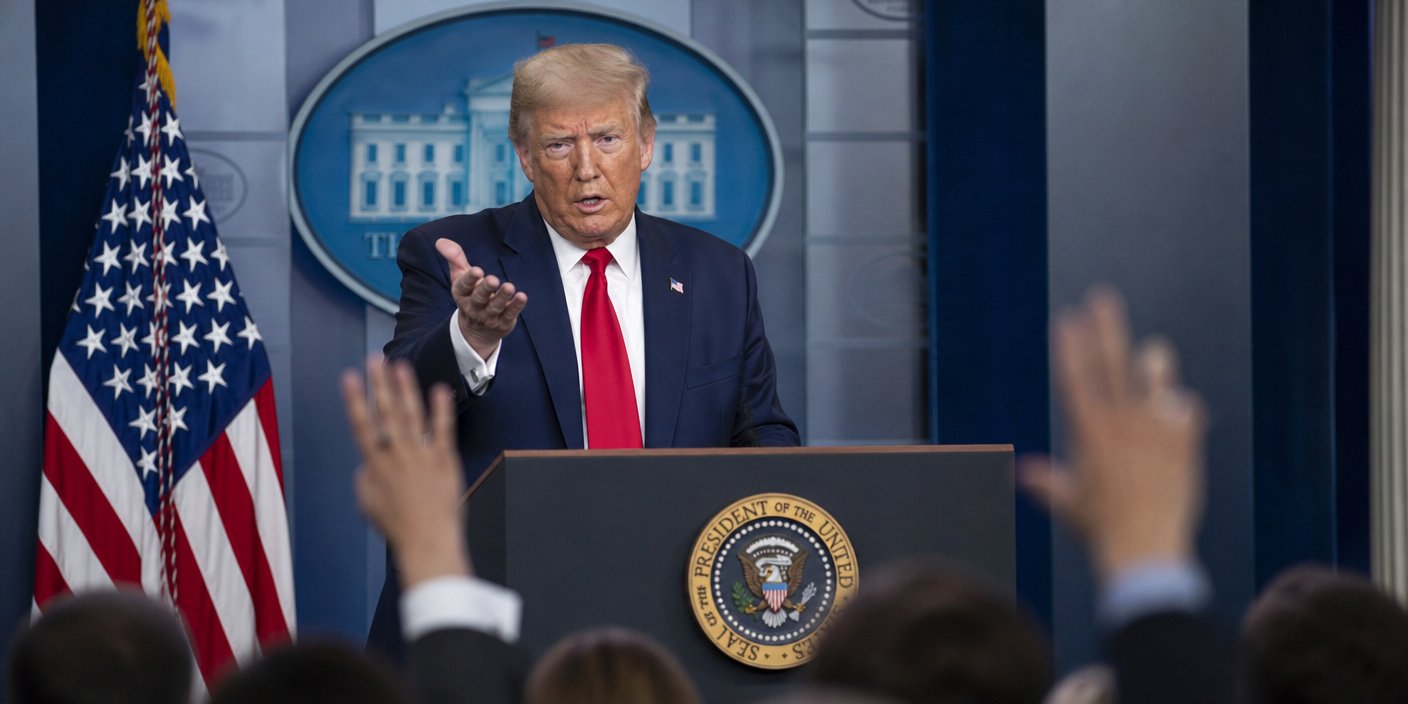
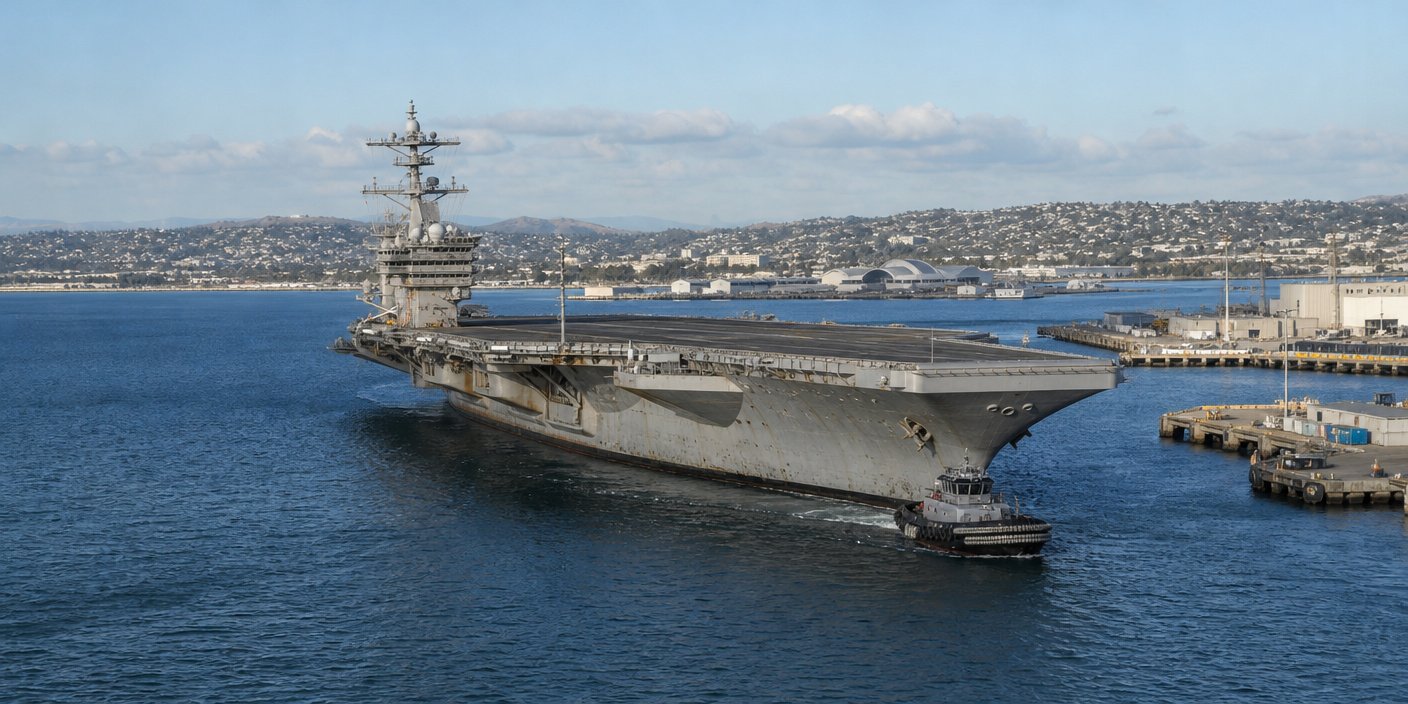
Global energy markets are experiencing heightened volatility this morning as Brent Crude prices climb following provocative remarks from Donald Trump regarding potential U.S. intervention in Iran’s oil sector. The market reaction has been swift, with traders pricing in significant geopolitical risk premiums, while in the UK, Prime Minister Keir Starmer has signaled an urgent gathering of top business leaders to coordinate emergency measures aimed at stabilizing the domestic economy against potential supply chain disruptions and energy price spikes.
- Brent Crude futures spiked in early trading following comments from Donald Trump regarding Iran’s oil reserves.
- Global energy security concerns are intensifying, leading to increased market instability.
- UK Prime Minister Keir Starmer is convening an emergency roundtable with business leaders to address potential economic fallout.
- The discussions are expected to focus on mitigating the impact of fluctuating energy costs on UK households and industry.
The Deep Dive
The Market Reaction to Geopolitical Rhetoric



The sudden uptick in Brent Crude prices highlights the precarious nature of global energy security when confronted with aggressive geopolitical rhetoric. Investors have responded to reports of potential policy shifts from Donald Trump by aggressively buying into energy futures, fearing that any move to “take the oil” or restrict Iranian exports could severely tighten global supply. This reaction underscores the market’s sensitivity to signals that threaten established geopolitical stability. Energy analysts have noted that even the mere threat of supply interference can trigger speculative buying, creating a domino effect that pushes consumer prices higher before any physical changes to oil distribution actually occur. As the situation remains fluid, traders are braced for further fluctuations based on upcoming diplomatic or administrative statements from Washington.
Government Strategy and Business Stability
In the United Kingdom, the government is taking proactive steps to preemptively address the economic consequences of these global developments. Prime Minister Keir Starmer’s decision to summon prominent business leaders for an emergency summit reflects the government’s concern that sustained high energy costs could undermine recent stabilization efforts within the UK economy. This meeting is expected to move beyond rhetoric, focusing on actionable contingency plans for logistics, supply chain resilience, and targeted support mechanisms for industries most vulnerable to energy inflation. By engaging directly with industry captains, the administration aims to reassure the markets that it has a handle on domestic energy vulnerability, even as the causes of this volatility remain largely outside of their direct control.
Long-term Economic Implications
While the current focus is on managing the immediate fallout of the crude oil price surge, broader questions regarding long-term economic resilience are resurfacing. The intersection of political brinkmanship and global energy dependency is once again putting a spotlight on the transition toward renewable energy sources as a security imperative. As the UK and other major economies evaluate their energy mixes, the necessity for strategic reserves and diversified supply chains becomes increasingly critical. The upcoming emergency talks will likely serve as a catalyst for a wider debate on how to insulate the national economy from the whims of international commodity markets, highlighting the urgency of finding sustainable alternatives to fossil fuel dependence in a volatile and unpredictable world.
FAQ: People Also Ask
Why does geopolitical rhetoric affect Brent Crude prices?
Brent Crude is a global benchmark for oil prices. When threats or actions arise in key oil-producing regions, investors fear potential supply disruptions, leading them to bid up the price of oil contracts to hedge against future shortages.
What are the main concerns for UK businesses regarding oil price spikes?
High oil prices directly increase operational costs, particularly in transportation, logistics, and manufacturing. Increased energy costs often result in higher consumer prices, potentially dampening consumer demand and impacting overall business profitability.
How effective are government emergency measures in controlling energy prices?
While governments can implement temporary measures such as subsidies, tax relief, or supply management strategies to ease the immediate burden, they have limited power to control global oil market prices, which are determined by international supply and demand dynamics.