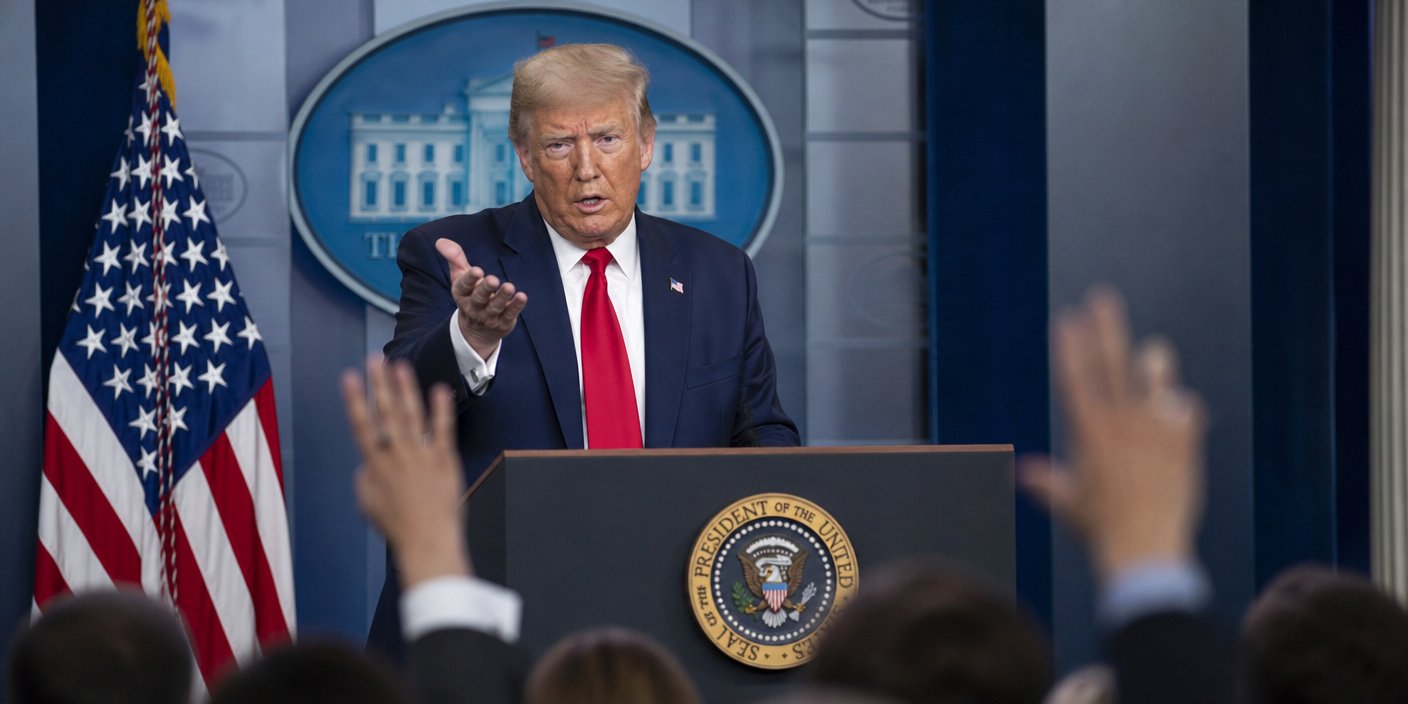
Former President Donald Trump recently suggested that the United States could seize Iran’s Kharg Island, a statement that has sent shockwaves through the international community and ignited a intense debate regarding U.S. foreign policy. As geopolitical tensions in the Middle East continue to simmer, the former president’s rhetoric regarding Kharg Island—a critical hub for Iran’s oil exports—has been viewed by critics as highly provocative, while supporters argue it aligns with a ‘peace through strength’ doctrine. The suggestion highlights the volatile nature of discourse surrounding U.S.-Iran relations, especially as the region remains on edge due to ongoing conflicts and shifting alliances.
The Strategic Significance of Kharg Island




Kharg Island serves as the primary terminal for the vast majority of Iran’s crude oil exports. Its strategic location in the Persian Gulf makes it the juggernaut of the Iranian petroleum industry. By specifically referencing this location, Trump has targeted the economic lifeline of the Iranian state. Analysts suggest that the mention of seizing such a vital asset is intended to signal a paradigm shift in how a potential future administration might approach economic warfare and deterrence against Tehran. However, legal experts and international relations specialists warn that such talk undermines established international law and risks inciting direct military confrontation in an already fragile maritime corridor.
Rhetoric vs. Reality in Foreign Policy
Throughout his political career, Donald Trump has frequently utilized bold, unconventional rhetoric to pressure adversaries and differentiate his foreign policy from that of his predecessors. His comments regarding Kharg Island fit into this established pattern of ‘maximum pressure’ tactics, which were a hallmark of his first term in office. While proponents of this style argue that it keeps adversaries off balance and prevents them from miscalculating American resolve, opponents contend that such comments are reckless. They argue that openly discussing the seizure of sovereign territory, even in a hypothetical context, can lead to miscalculations by regional actors, potentially triggering a localized conflict that could spiral into a wider regional war.
Regional and Global Reactions
The reaction to the comments has been swift and divided. Within the United States, lawmakers are debating the implications of such statements on national security. Meanwhile, international observers and regional powers are closely monitoring the rhetoric for signals of a potential change in U.S. posture should Trump return to the White House. The ambiguity surrounding whether these comments are posturing or a blueprint for future action creates a challenging environment for diplomacy. As the discourse evolves, it remains to be seen how these remarks will influence the broader electoral conversation and the expectations of allies and adversaries alike regarding the future trajectory of American influence in the Persian Gulf.
- Trump suggested that the U.S. could theoretically seize Iran’s Kharg Island.
- The island is the central hub for the majority of Iran’s crude oil exports.
- Analysts are debating whether the comments represent a shift in foreign policy strategy or typical campaign rhetoric.
- The remarks have triggered intense criticism regarding potential risks of military escalation.
FAQ: People Also Ask
Why is Kharg Island important to Iran?
Kharg Island is the most significant oil export terminal in Iran, processing the vast majority of the country’s crude oil destined for international markets. It is essentially the bottleneck of the Iranian oil economy.
Did Trump’s comments reflect official U.S. policy?
No. Donald Trump is currently a private citizen and former president; his comments do not represent the current official foreign policy of the United States government.
What are the risks of such rhetoric?
International relations experts warn that provocative rhetoric regarding the territorial integrity of sovereign nations can increase regional tensions, incite retaliatory measures from adversaries, and potentially lead to miscalculations that result in military conflict.