On Thursday, March 19, 2026, Iran escalated its military actions by launching intensified attacks on oil and natural gas facilities located across the Gulf. This aggressive response was in direct retaliation for a prior Israeli strike on Iran’s crucial South Pars gas field. In a significant development, Israeli Prime Minister Benjamin Netanyahu announced that Israel would cease further attacks on the gas field, citing a request from U.S. President Donald Trump. The escalating conflict has triggered a sharp rise in global fuel prices and heightened geopolitical tensions throughout the Middle East and its adjacent energy markets.
The Deep Dive
Escalating Retaliation and Global Impact
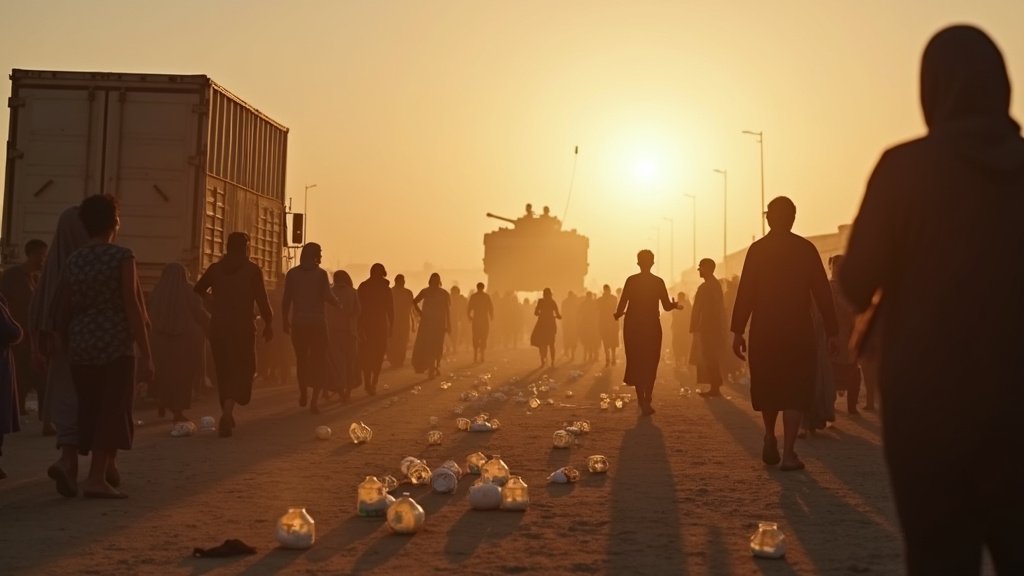
Iran’s intensified assault on energy infrastructure across the Persian Gulf marks a critical escalation in the ongoing conflict, sending shockwaves through global energy markets and the international economy. The strikes, occurring on Thursday, March 19, 2026, were a direct act of retaliation for Israel’s earlier attack on the South Pars gas field, a vital asset for Iran’s energy sector and jointly owned with Qatar. The repercussions were immediate and severe, with fuel prices experiencing a significant surge. This escalation also raises the specter of drawing Iran’s Arab neighbors more directly into the conflict, further destabilizing an already volatile region. Global fuel supplies, already strained by Iran’s control over the Strait of Hormuz—a critical chokepoint for approximately one-fifth of the world’s oil transportation—faced unprecedented pressure.
Israel’s De-escalation and U.S. Involvement


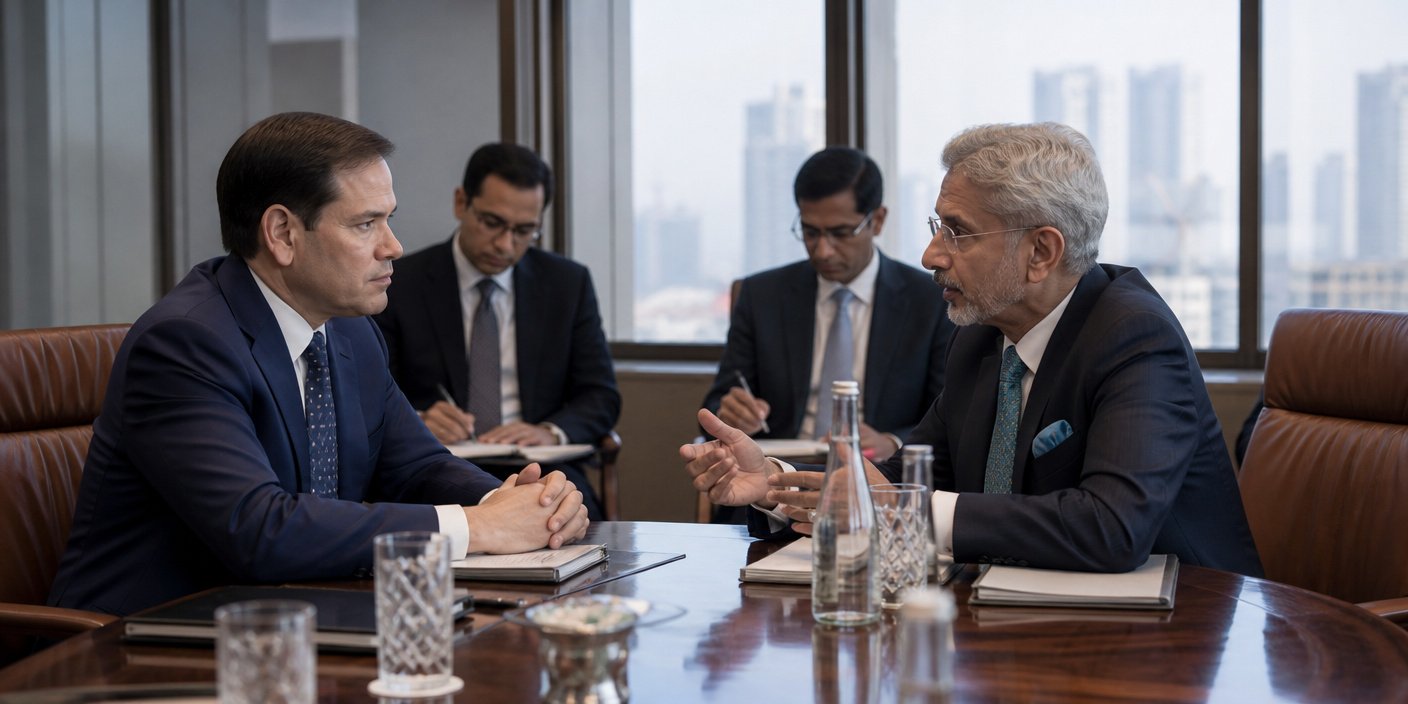
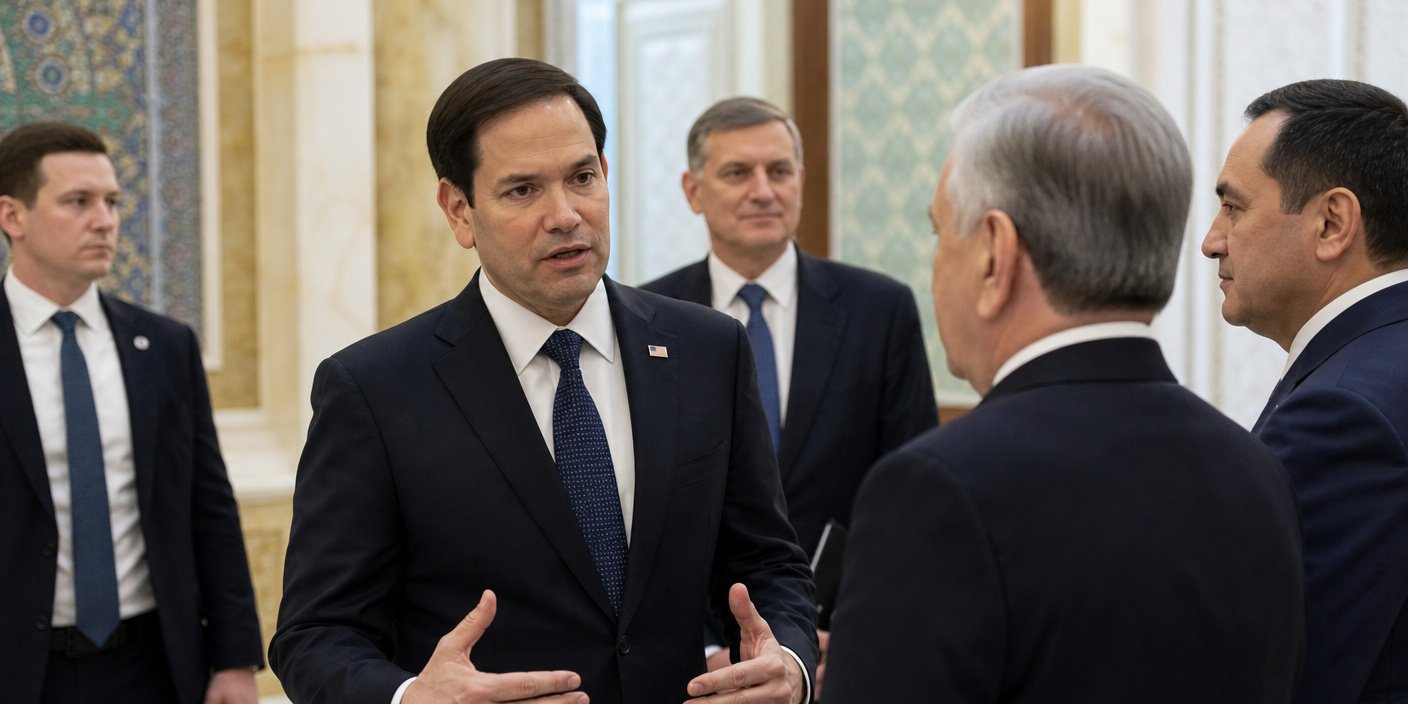
Amidst the escalating retaliatory actions, Israeli Prime Minister Benjamin Netanyahu announced a strategic shift, stating that Israel would hold off on any further attacks on Iran’s South Pars gas field. This decision was reportedly made at the direct request of U.S. President Donald Trump, indicating a level of American involvement in mediating the immediate crisis. Netanyahu’s statement came as the war, which began on February 28, had reportedly led to the deaths of top Iranian leaders and significantly degraded the country’s military capabilities. While Netanyahu asserted that Iran could no longer enrich uranium or produce ballistic missiles, the country, now led by the son of a deceased supreme leader, demonstrated a continued capacity for disruptive missile and drone attacks targeting its neighbors and the global energy economy.
Regional Energy Infrastructure Under Siege
The attacks were not confined to a single target. Reports indicate that two oil refineries in Kuwait and gas operations in Abu Dhabi were also targeted by Iran. In Qatar, a key global supplier of natural gas, Iranian missiles inflicted extensive damage on the Ras Laffan liquefied natural gas facility. This attack, which occurred after production had already been halted due to earlier strikes, could significantly delay Qatar’s ability to supply markets even after the conflict subsides. The damage is estimated to cost Qatar approximately $20 billion in lost revenue annually and could take up to five years to repair. Saudi Arabia also reported that its SAMREF refinery in the Red Sea port city of Yanbu was hit, adding to the widespread disruption. This strike was particularly concerning as Saudi Arabia had begun rerouting oil shipments via the Red Sea to circumvent the Strait of Hormuz.
Domestic Repercussions and Global Market Turmoil
The conflict’s impact extended to Israel, where waves of Iranian attacks prompted millions of people to seek shelter. While damage to buildings was reported, significant casualties were not. The energy market responded dramatically, with Brent crude oil, the international benchmark, briefly surging above $119 a barrel, marking an increase of over 60% since the war’s commencement. Similarly, European natural gas prices rose sharply, having roughly doubled in the past month. The targeting of energy infrastructure across the Gulf drew strong condemnations from Qatar, Saudi Arabia, and the United Arab Emirates, with Saudi Arabia’s foreign minister expressing that any remaining trust had been shattered. The United Nations Security Council convened for an urgent meeting to address the crisis, with Gulf nations emphasizing the need for Iran to cease its attacks.
Iran’s Stance and Future Outlook
Despite the international pressure and the potential for wider regional involvement, Iran showed no signs of backing down from its retaliatory campaign. The country, even with degraded military capabilities, continued to pose a significant threat through its missile and drone capabilities. The strategic targeting of energy production facilities underscores Iran’s intent to exert maximum pressure on global markets and economies reliant on the region’s energy output. The situation remains highly fluid, with ongoing diplomatic efforts and the potential for further military escalations shaping the future of regional stability and global energy security.
FAQ: People Also Ask
What triggered Iran’s intensified attacks on Gulf energy sites?
Iran’s intensified attacks on Gulf energy sites were a direct retaliation for an Israeli attack on Iran’s South Pars gas field, which is the Iranian portion of the world’s largest gas field.
What was Israel’s response to Iran’s escalating attacks?
Israeli Prime Minister Benjamin Netanyahu announced that Israel would halt any further attacks on Iran’s South Pars gas field, following a request from U.S. President Donald Trump.
What has been the impact of these attacks on global energy markets?
The attacks have caused global fuel prices to soar, with Brent crude oil briefly exceeding $119 a barrel and European natural gas prices roughly doubling in the past month. This has put significant pressure on global fuel supplies, already affected by Iran’s control over the Strait of Hormuz.