The United States faces new trade and diplomatic turbulence. President Donald Trump dramatically raised global tariffs. This followed a Supreme Court decision. France also restricted access for its US Ambassador. Meanwhile, the Global Entry program faced suspension. These events unfolded rapidly in late February 2026. They create significant uncertainty for American politics and international news.
Supreme Court Rejects Presidential Tariff Power

The US Supreme Court issued a key ruling on February 20, 2026. It declared many of President Trump’s tariffs unlawful. The justices ruled 6-3. The International Emergency Economic Powers Act (IEEPA) does not grant presidential tariff authority. Chief Justice John Roberts wrote the majority opinion. The Court emphasized constitutional taxing power belongs to Congress. Therefore, presidential tariffs under IEEPA exceeded his authority. This decision invalidated tariffs imposed using that law. It also opened the door for importer refunds. However, it did not affect tariffs under other laws. These include Section 232 and Section 301 actions.
Trump Imposes New Global Tariffs
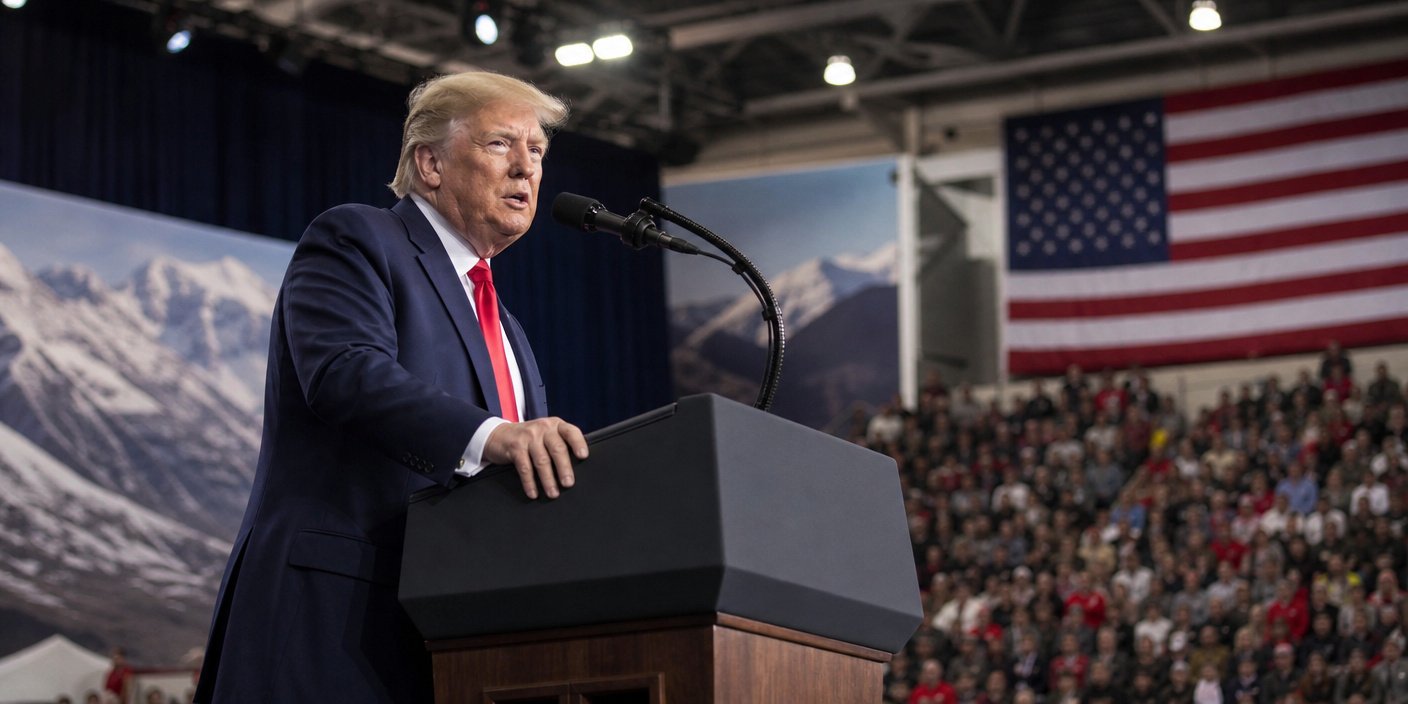
President Trump reacted swiftly to the ruling. He vowed to use “very powerful alternatives.” On February 20, he signed an executive order. It directed agencies to cease collecting IEEPA tariffs. The next day, Trump announced a new global tariff. He invoked Section 122 of the Trade Act of 1974. This law allows temporary tariffs for 150 days. Initially, he declared a 10% tariff. Then, on February 21, he announced it would increase to 15%. This new tariff applies to most imports. However, certain goods are exempt. These include some agricultural products and critical minerals. The new 15% tariff went into effect on February 24, 2026. It is set to expire in 150 days. Congress must approve an extension for it to continue. This move surprised international trade partners. It creates new planning challenges for businesses. Experts warn of continued uncertainty. This could impact global trade flows. It might also spur industrial subsidies worldwide. The average effective tariff rate rose significantly. This policy marks a departure from historical trade practices. American consumers could face higher prices. Foreign exporters will also see increased costs.
France Restricts US Ambassador
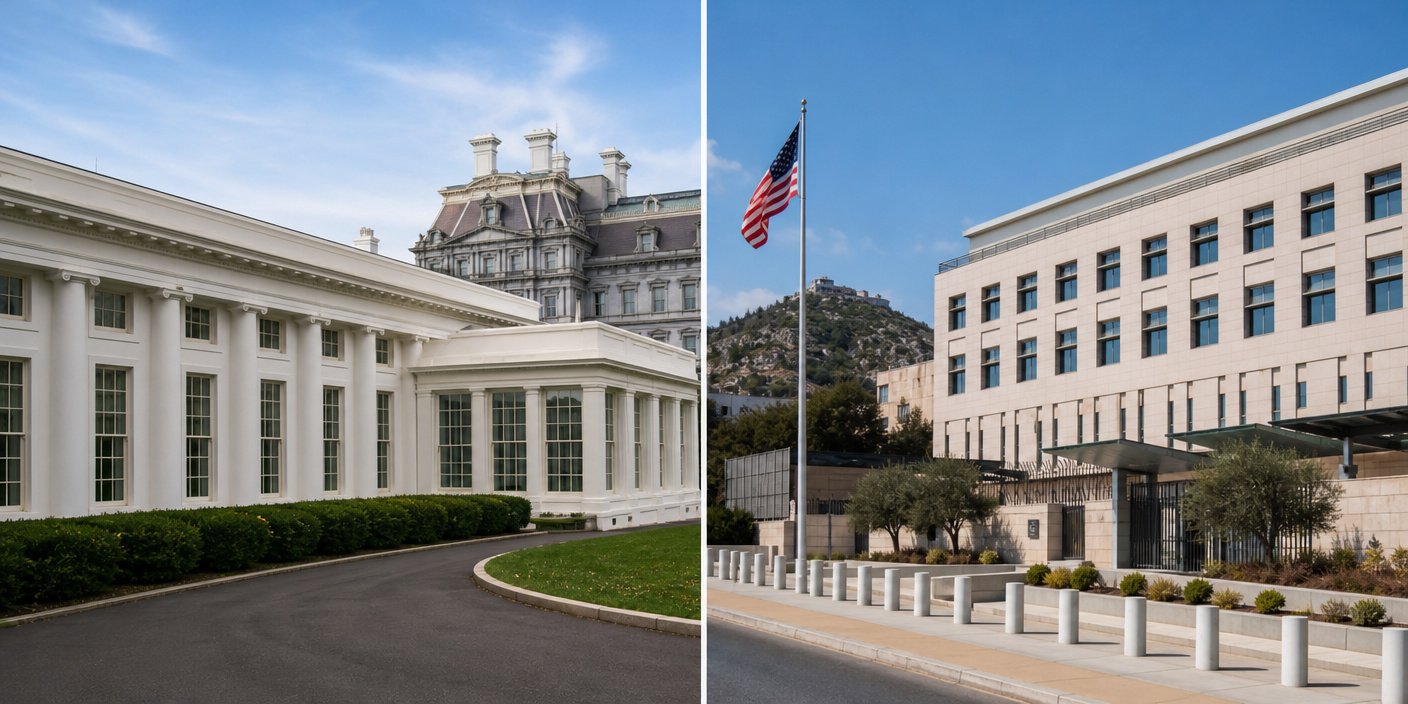
Separately, France took diplomatic action. French Foreign Minister Jean-Noël Barrot requested restrictions. US Ambassador Charles Kushner would lose direct access to French ministers. This followed Kushner’s failure to attend a meeting. The meeting was scheduled for February 23, 2026. He was summoned to discuss US comments. These comments concerned the death of a French far-right activist. Kushner cited personal commitments. He sent a senior embassy official instead. France deemed this a misunderstanding of diplomatic expectations. The ministry stated this would affect his mission. However, they added it would not harm overall US-France relations. This was not the first diplomatic incident. Kushner previously skipped a summons in August 2025. That meeting concerned his criticism of French actions on antisemitism. This diplomatic friction highlights international tensions. It raises questions about ambassadorial conduct.
Global Entry Suspension Amid Shutdown
Meanwhile, domestic issues affected travel. A partial government shutdown began on February 14, 2026. The dispute centered on funding for the Department of Homeland Security (DHS). Democrats and the White House disagreed on immigration policy. As a result, DHS began taking emergency measures. On February 22, 2026, DHS announced Global Entry suspension. This program allows pre-approved travelers expedited entry. The suspension aimed to preserve resources. DHS initially planned to halt TSA PreCheck too. However, they reversed that decision. TSA PreCheck remained operational. Global Entry, however, stayed suspended. This caused disruptions for millions of travelers. It led to longer airport wait times. Essential DHS personnel continue working without pay. The shutdown impacts public safety and national security. This situation underscores the strain on government operations. It highlights the political divide in American politics.
Broader Implications and Future Outlook
These three events together paint a complex picture. They show significant policy shifts and diplomatic strains. President Trump’s tariff actions signal a continuation of his economic agenda. However, the Supreme Court ruling curtails his methods. France’s diplomatic move reflects concerns over foreign interference. The DHS shutdown highlights the challenges of government funding disputes. These developments have widespread implications. They affect American businesses, consumers, and international relations. The coming weeks will reveal how these situations evolve. They will shape the future of American trade policy and global news.