Cuba Halts Airline Refueling Amidst Intensified US Energy Sanctions
Cuba faces a severe aviation crisis. It suspended jet fuel supplies for one month. This action began on February 9, 2026. The country is battling a deep energy crunch. This crisis stems directly from US pressure on oil-supplying nations.
US Sanctions Disrupt Oil Flow
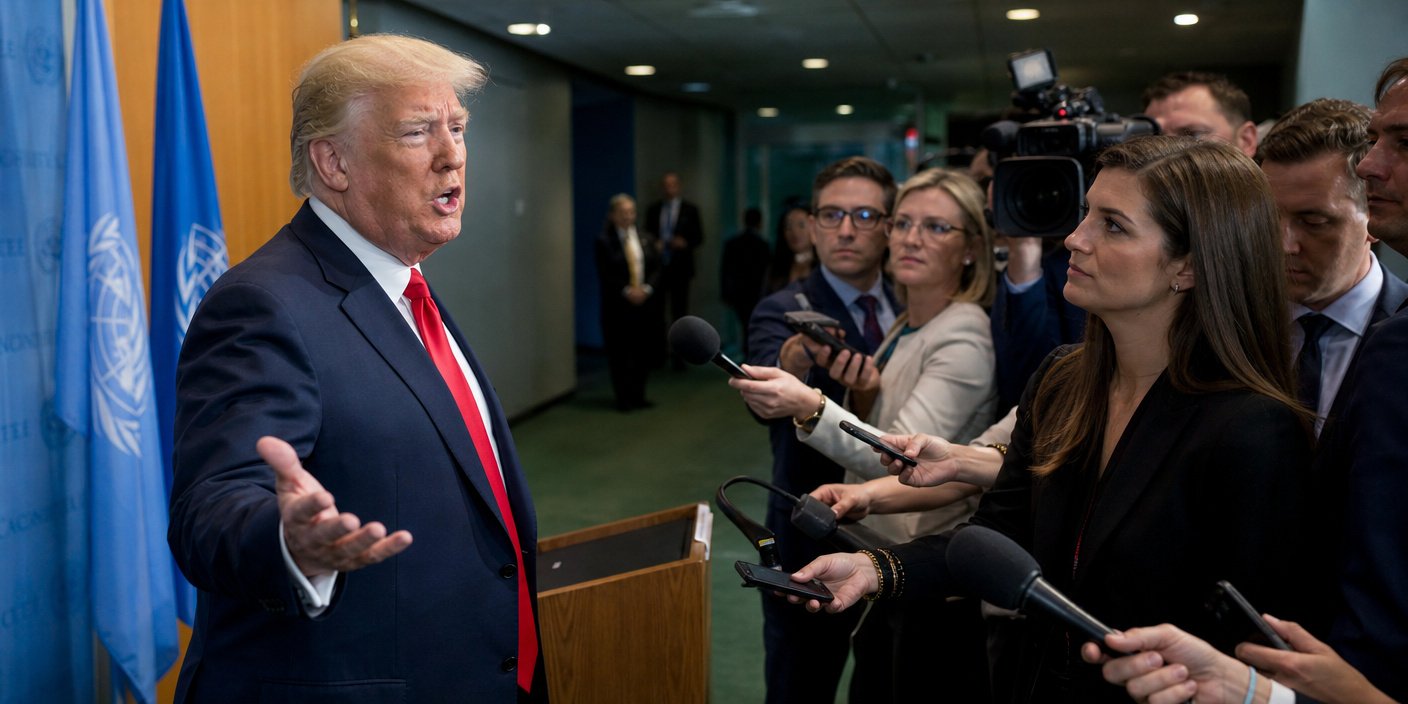
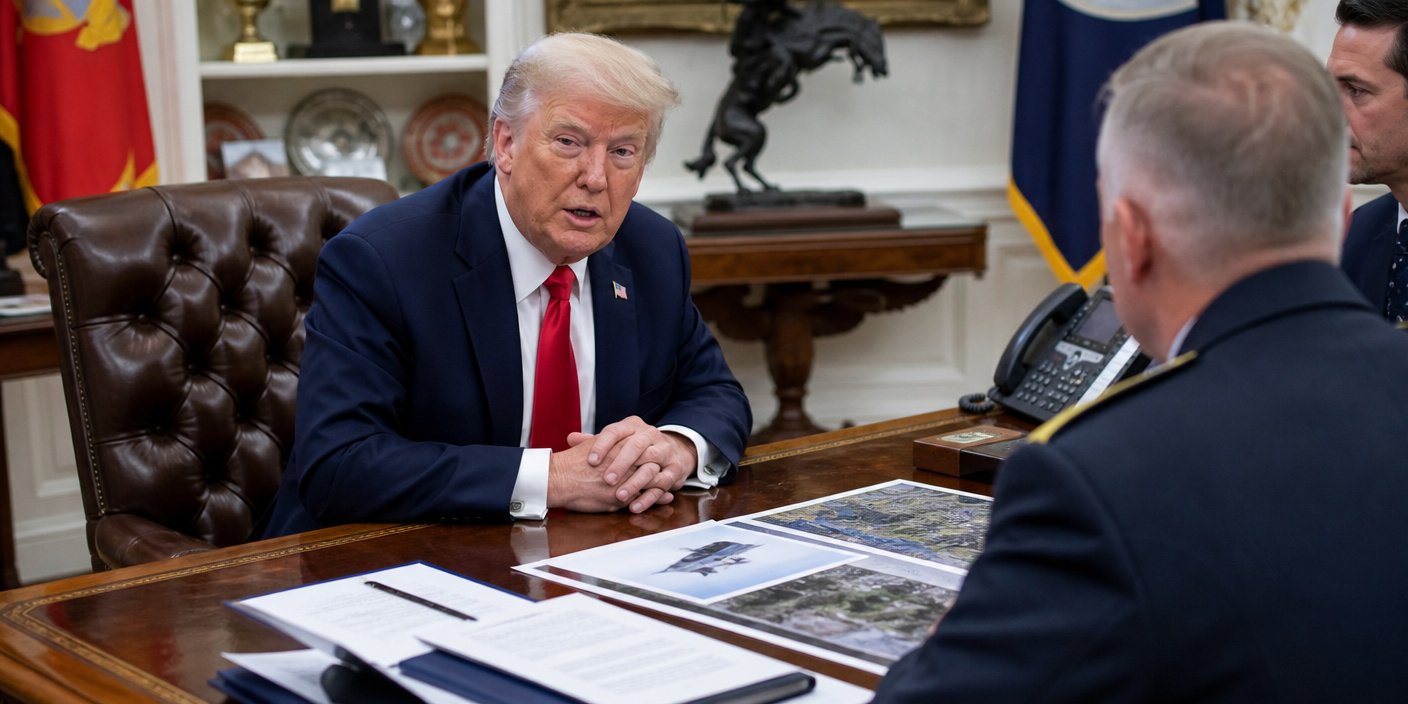
The United States escalated its campaign against Cuba. Washington enacted new measures in January 2026. President Trump signed an executive order. This order declared a national emergency. It authorizes tariffs on countries supplying oil to Cuba. The US aims to tighten its economic chokehold.
Specifically, US sanctions hit Venezuela’s oil sector hard. This disrupted vital oil shipments to Cuba. Venezuela was a key energy partner for Cuba. Its oil provided a crucial lifeline. Mexico also supplied oil. However, Mexico faces US tariff threats. This pressure limits Cuba’s access to fuel. The US argues its actions target Cuba’s government. It cites foreign policy and national security reasons.




Airlines Face Costly Reroutes
This fuel shortage directly impacts international air travel. Nearly 400 weekly flights are affected. Major carriers like American Airlines, Air France, and Delta must adapt. They cannot refuel their planes in Cuba. Aircraft now need extra fuel onboard. This is known as tankering.
Alternatively, flights must make technical stops. These stops occur at regional airports. Cancun and Punta Cana are examples. These changes add significant operational costs. Airlines may also reduce flight capacity. Some flights face outright cancellations. Travelers should expect delays and schedule disruptions. Higher ticket prices are also a possibility. This situation is quickly trending in travel news.
Cuba Implements Emergency Measures
Cuba’s government is responding to the crisis. It announced emergency measures earlier in February 2026. State-owned companies are moving to a four-day work week. Fuel sales face new restrictions. Public transportation services are reduced. Provincial bus and train routes operate less frequently. Some tourist establishments have temporarily closed.
Schools are shortening their days. Universities may relax in-person attendance rules. The country is also exploring a shift to solar power. These steps aim to conserve energy. They prioritize essential services like healthcare. The UN has warned of a potential humanitarian collapse.
Broader Energy Crisis Worsens
This aviation fuel issue is part of a larger energy emergency. Cuba has struggled with shortages for years. Rolling power outages are common. Basic goods are scarce. Inflation is high. The economy has contracted for several years.
The US actions have intensified these problems. Cuba’s leaders condemn the US pressure. They call it an “energy blockade”. The stories emerging detail daily struggles for citizens. The government seeks to preserve critical infrastructure. This includes food production and water treatment. However, the impact is far-reaching. It affects all aspects of Cuban life. The situation highlights the complex interplay of US foreign policy and Cuban resilience. It creates significant challenges for international travel and trade. The future remains uncertain as the crisis unfolds.