Russia Declares Itself Free from Nuclear Arms Limits
Russia announced a significant global shift. It stated it is no longer bound by treaty limits. This happened on February 4, 2026. The New START treaty officially expires February 5, 2026. This expiration frees both Russia and the United States. They are now released from restrictions on their nuclear arsenals. This development triggers major global concerns. Fears of a new nuclear arms race are growing. The world watches this unfolding news with deep unease.
The End of the New START Treaty
The New START treaty was the last pact. It controlled U.S. and Russian strategic nuclear weapons. It was signed in 2010. The treaty limits were key for stability. It capped deployed strategic nuclear warheads. Both nations could have no more than 1,550. Delivery systems were also limited. This included intercontinental ballistic missiles. Heavy bombers also faced restrictions. Russia and the U.S. agreed to 700. They also limited launchers to 800. These limits applied to deployed systems. The treaty entered force in February 2011. It was later extended for five years. This extension lasts until February 5, 2026. The treaty provided verification measures. These included data exchanges. On-site inspections were also part of it. These helped build trust. They reduced misunderstandings between the powers. However, compliance faced challenges. Inspections paused during the pandemic. Tensions rose over the Ukraine conflict. Russia suspended its treaty participation in 2023. It stopped inspections and data sharing. The U.S. responded in kind. Yet, both nations largely observed the numerical limits. This situation created instability. The treaty’s end marks a critical juncture. It removes decades of arms control. This news is a top global concern.
Russia’s Stance on Expiration
Russia’s Foreign Ministry issued a statement. It confirmed the treaty’s expiration. The ministry stated Russia was no longer bound. It noted the United States had not responded. President Vladimir Putin had made a proposal. He offered to extend treaty limits. This offer was for another year. It was contingent on U.S. action. However, Washington remained silent. Russia viewed this silence critically. Its ministry called the U.S. approach “mistaken.” They also called it “regrettable.” Russia declared it would act responsibly. It promised prudent actions. Yet, it also warned of countermeasures. These would address any national security threats. The world views Russia’s declaration seriously. It signals a major policy shift.
UN Chief Calls it a ‘Grave Moment’
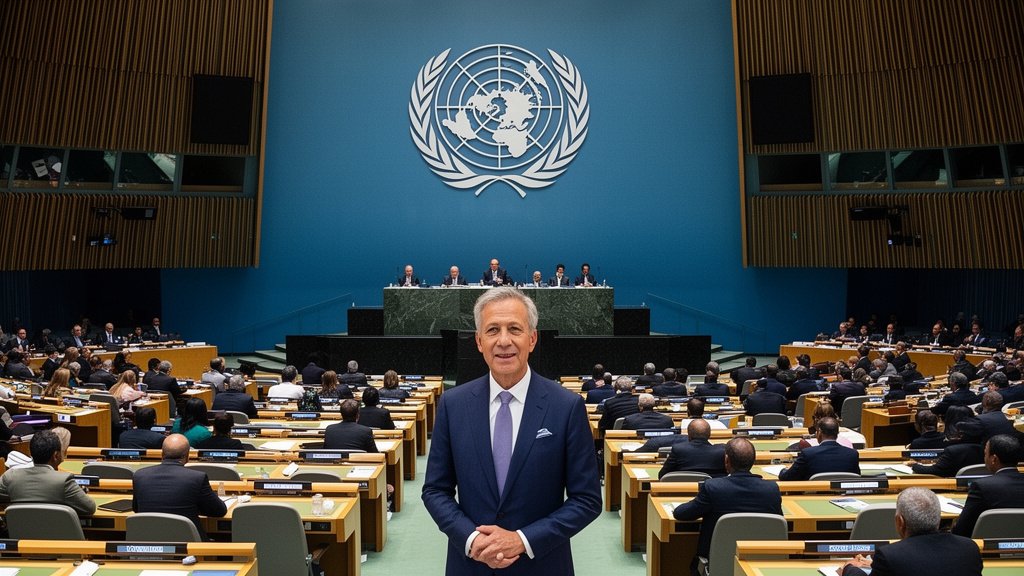
United Nations Secretary-General António Guterres voiced alarm. He called the expiration a “grave moment.” This moment is for international peace. It is also for global security. Guterres issued a statement. He warned of an “uncharted territory.” The world now lacks limits. These were on the U.S. and Russian arsenals. This situation is unprecedented in over 50 years. The two nations hold most nuclear weapons. Guterres stressed past treaties’ value. They prevented catastrophe. They built stability for decades. He noted the high risk of nuclear use. This risk is the highest in decades. He urged both nations to negotiate. A successor framework is needed. This must restore verifiable limits. It should reduce risks for all. Guterres’ words underscore the stakes. This news impacts the entire world.



Background to the Treaty’s Demise
Arms control treaties have a long history. New START followed other agreements. These included START I and SORT. START I expired in 2009. SORT ended in 2012. New START provided crucial reductions. It was the last verifiable pact. Negotiations for New START began in 2009. Rose Gottemoeller led the U.S. team. Anatoly Antonov led the Russian side. The treaty aimed for deeper cuts. It sought to increase transparency. The extension in 2021 offered hope. However, tensions escalated. Russia’s invasion of Ukraine played a role. Moscow’s suspension of participation in 2023 was critical. This halted verification measures. It weakened the treaty’s effectiveness. The Trump administration had shown interest. It wanted a new deal. This deal would include China. However, no formal response came. Russia’s offer for a one-year extension also languished. These factors led to the current outcome. The treaty’s end was not sudden. It followed years of strain. This history provides context for today’s news.
The Looming Threat of an Arms Race
Experts warn of a new arms race. The treaty’s expiration removes constraints. Russia and the U.S. can increase arsenals. They may deploy hundreds more warheads. This expansion could happen quickly. It poses significant logistical challenges. However, the absence of limits is key. It removes predictability. Each side might assume the worst. This fuels a dangerous spiral. China’s role is also a major concern. Its nuclear arsenal is growing rapidly. China has doubled its stockpile recently. Its capabilities are expanding fast. The U.S. has pushed for China’s inclusion. Beijing has rebuffed these efforts. The end of New START could spur China. It might accelerate its buildup further. Other nations might also join. This could lead to widespread proliferation. The world’s security landscape shifts dramatically. This potential arms race is a top world news item.
Loss of Transparency and Predictability
New START provided vital transparency. Data exchanges revealed force numbers. Notifications tracked changes. On-site inspections offered direct verification. This information reduced suspicion. It prevented miscalculations. Without these tools, insight vanishes. U.S. knowledge of Russian forces decreases. Confidence in assessments will falter. This creates greater uncertainty. Each nation’s intentions become harder to read. This lack of clarity is dangerous. It can lead to unintended escalation. The strategic environment becomes less stable. This loss affects all global actors. It creates a more perilous world.
Russia’s Offer and U.S. Position
President Putin had proposed an extension. Russia offered to maintain limits. This was for one year post-expiration. The U.S. administration did not formally respond. President Trump had expressed interest. He wanted a broader treaty. This new agreement would include China. Arms control advocates noted this. They said negotiating a new deal is hard. It requires trust and diplomatic effort. These elements are currently scarce. Russia’s offer was seen by some as pragmatic. It could have bought time for diplomacy. The U.S. focus remained on a larger framework. This includes China’s nuclear program. China’s rapid growth is a key U.S. concern. The lack of response is now a critical factor. It contributed to the treaty’s lapse.
Global Reactions and Future Prospects
Former officials and experts expressed worry. Rose Gottemoeller was a key negotiator. She voiced concerns about Russia’s buildup. She spoke of “uploading” its inventories. This could happen quickly without limits. Pope Leo XIV urged world leaders. He called for averting an arms race. He implored them not to abandon arms control. The expiration raises questions. It could challenge the NPT. The Non-Proliferation Treaty is vital. It aims to prevent nuclear spread. Its review conference is approaching. Nuclear states must show progress. The absence of New START complicates this. It sends a negative signal. Many hope for a diplomatic reset. The UN chief sees an opportunity. It is a chance to “reset” arms control. A new regime may be needed. It must fit a changing world. The path forward remains unclear. Diplomacy will be paramount. The world watches for next steps.
A New Era of Nuclear Uncertainty
The New START treaty is gone. Russia declared itself free of its limits. This marks a turning point. It ends over 50 years of arms control. The world faces increased risks. An arms race appears more likely. Transparency and stability are reduced. The UN and global leaders voiced concerns. They highlighted the “grave moment.” Russia says it will act prudently. However, it is ready for threats. The U.S. seeks a broader deal. This includes China’s nuclear power. The future of nuclear safety is uncertain. This news demands global attention. The next steps are crucial. They will shape world security. This is a top global news story. The world must find new ways forward. This is a critical time for diplomacy. The stakes are incredibly high. The world waits for solutions. New limits may take years to form. For now, uncertainty reigns. The threat of nuclear war looms larger. This is a stark reality today.