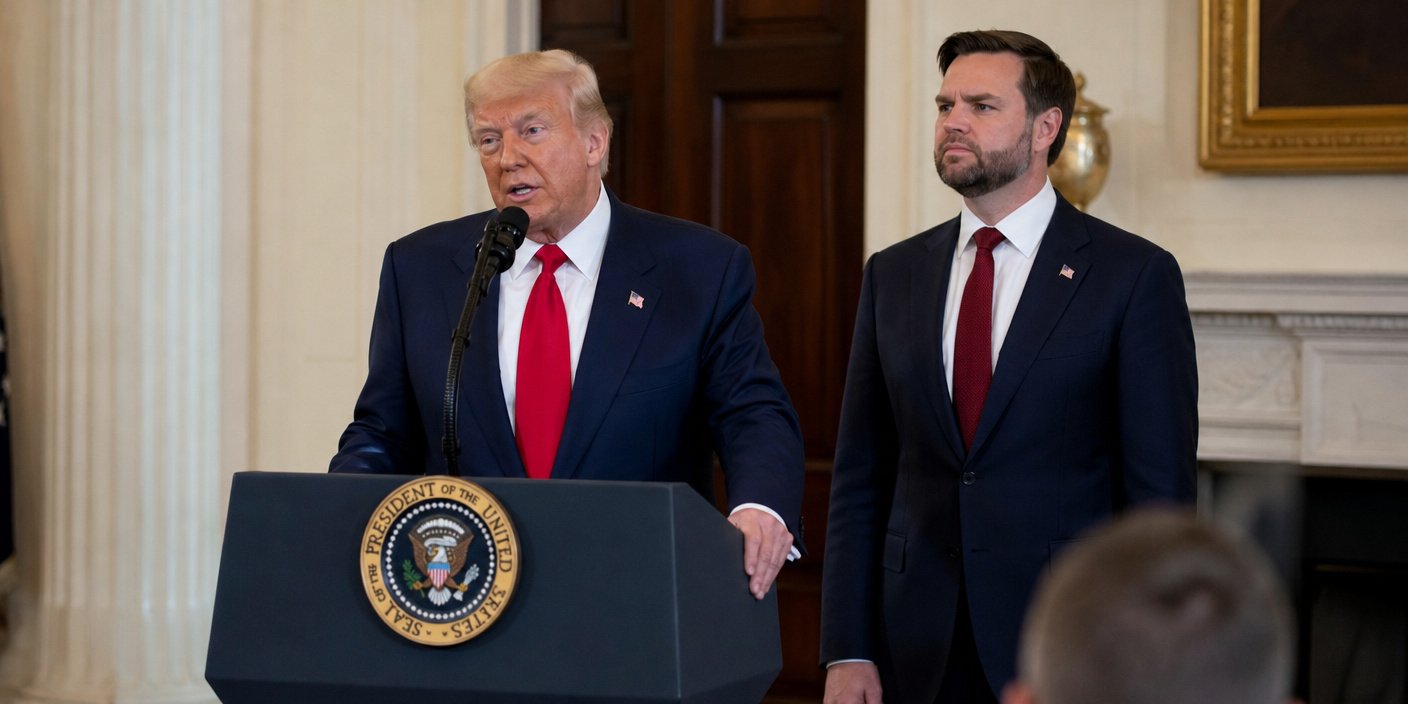
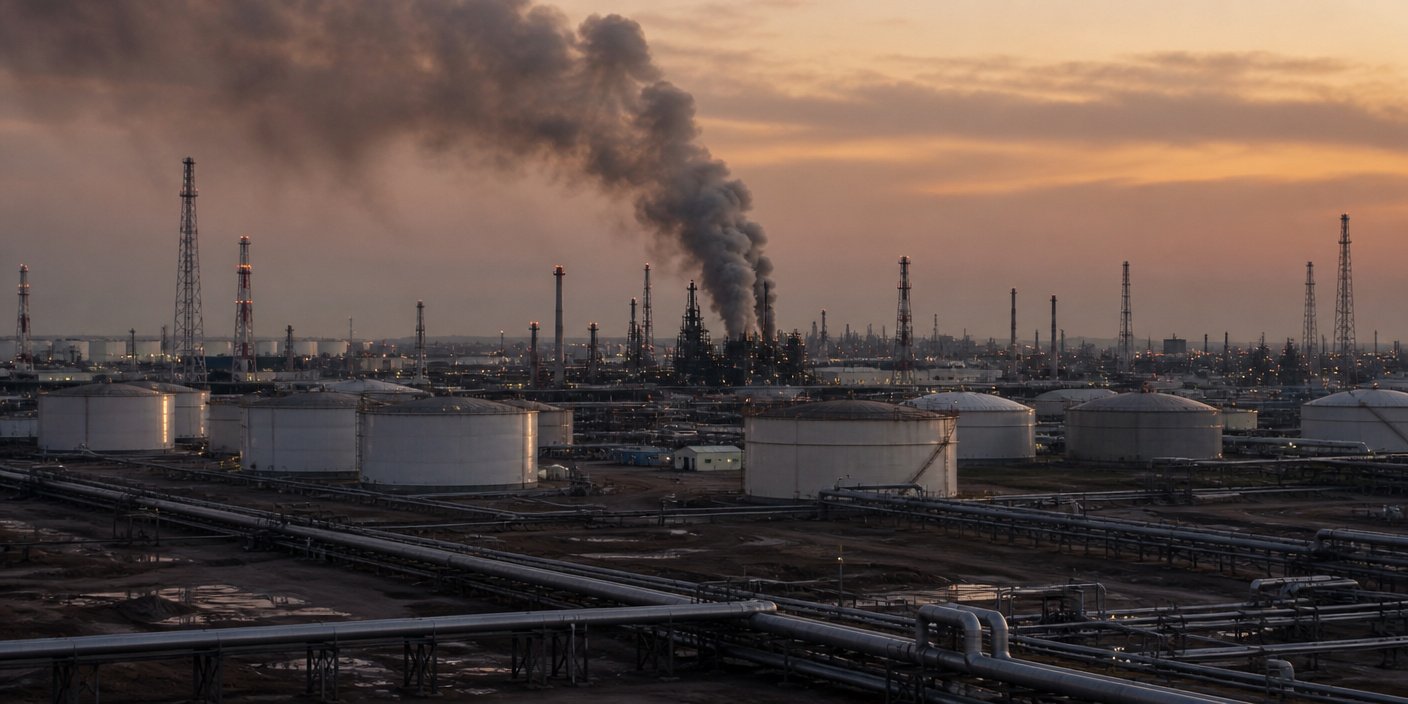
The United States military launched a significant **US airstrike Nigeria** operation, targeting ISWAP militants in Sokoto State on Christmas Day, December 25, 2025. President Donald Trump directed this operation, announcing it on his Truth Social platform. The action was a powerful and deadly strike against what Trump described as ISIS terrorist scum, who he stated primarily kill Christians. This **US airstrike Nigeria** demonstrated a direct intervention following the President’s strong pronouncements.
US Command Confirms US Airstrike Nigeria
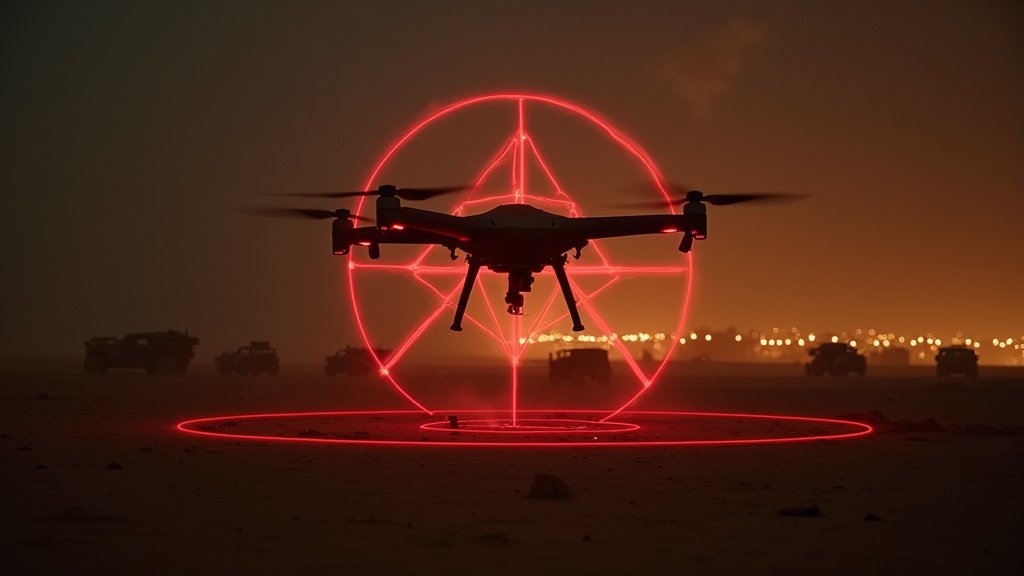
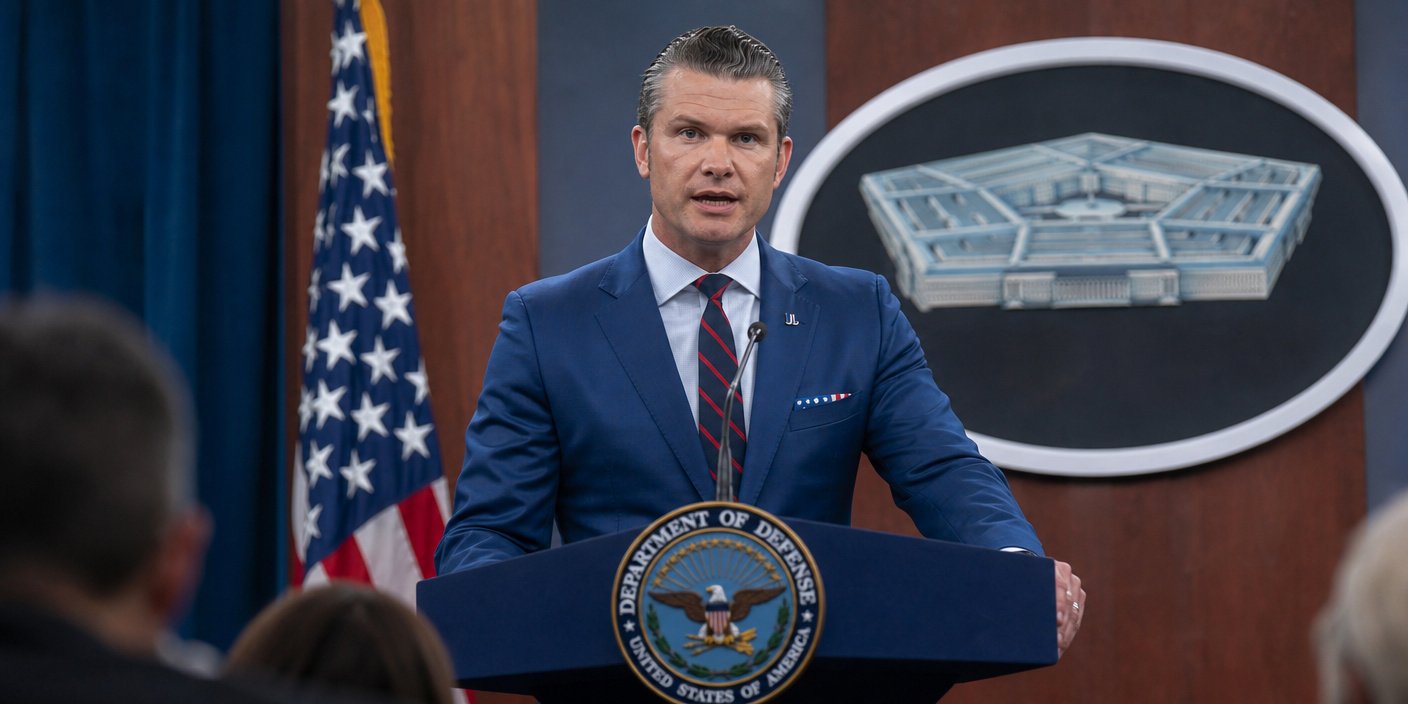
The US Africa Command (AFRICOM) confirmed the operation, stating the **US airstrike Nigeria** occurred in Sokoto State following a request from Nigerian authorities. Multiple ISWAP militants died, though the exact casualty count remains unclear. AFRICOM emphasized these lethal strikes demonstrated US military strength and the objective of eliminating terrorist threats abroad. Secretary of War Pete Hegseth thanked Nigeria for its government support and cooperation, which he cited as enabling these precision hits in the recent **US airstrike Nigeria**.
Nigeria’s Role and Context in US Airstrike Nigeria
The Nigerian government confirmed the joint operation, with its Ministry of Foreign Affairs issuing a statement calling the strikes “structured counter-terrorism cooperation.” Intelligence sharing and strategic coordination were key to this **US airstrike Nigeria**. The ministry stated it respects Nigeria’s sovereignty and follows international law. However, Nigeria often disputes religious motivations as the sole driver of violence, arguing that attacks affect all communities, including Muslims, not just Christians. The government insists it protects religious freedom for everyone. This context is important when discussing any **US airstrike Nigeria**.
President Trump’s Stated Rationale for US Airstrike Nigeria
President Trump’s decision leading to the **US airstrike Nigeria** followed weeks of strong rhetoric. He had accused Nigeria of failing to stop Christian persecution, calling the violence an “existential threat.” Trump had previously warned terrorists, vowing “hell to pay” if they continued. He had also designated Nigeria a “Country of Particular Concern,” signaling severe religious freedom violations that could precede US sanctions. The strikes occurred amid these heightened tensions and followed claims of Christian genocide, which gained traction among some US politicians and influenced the decision for this **US airstrike Nigeria**.
ISWAP’s Presence and the US Airstrike Nigeria
The target of the recent **US airstrike Nigeria** was ISWAP, an Islamic State affiliate operating in Nigeria’s northeast and near Lake Chad. Security reports suggest ISWAP activity is expanding westward and southward into regions like Sokoto and Zamfara, areas experiencing banditry and attacks. Nigerian officials have sometimes downplayed ISIS presence, attributing violence to multiple factors like farmer-herder clashes and ethnic rivalries. However, US intelligence assessments appear to differ, and the recent **US airstrike Nigeria** may reflect this divergence in understanding the threat posed by ISWAP militants.
Broader Trends and American Stories Related to US Airstrike Nigeria
These **US airstrikes Nigeria** are part of ongoing security efforts, underscoring the long security partnership between the US and Nigeria, particularly in counterterrorism, intelligence, and equipment provision. The operation highlights American involvement abroad and contributes to trending global security stories. The situation remains complex, involving multiple militant groups like Boko Haram and ISWAP. The US commitment, as seen in the **US airstrike Nigeria**, aims to disrupt their operations and protect innocent lives. While the effectiveness of such strikes is debated, with critics advocating for addressing root causes, these events underscore a critical American approach to global threats and continue to shape international security narratives regarding **US airstrike Nigeria**.