U.S. Implements Online Censorship Ban Against Five Europeans Accused of Silencing American Online Stories


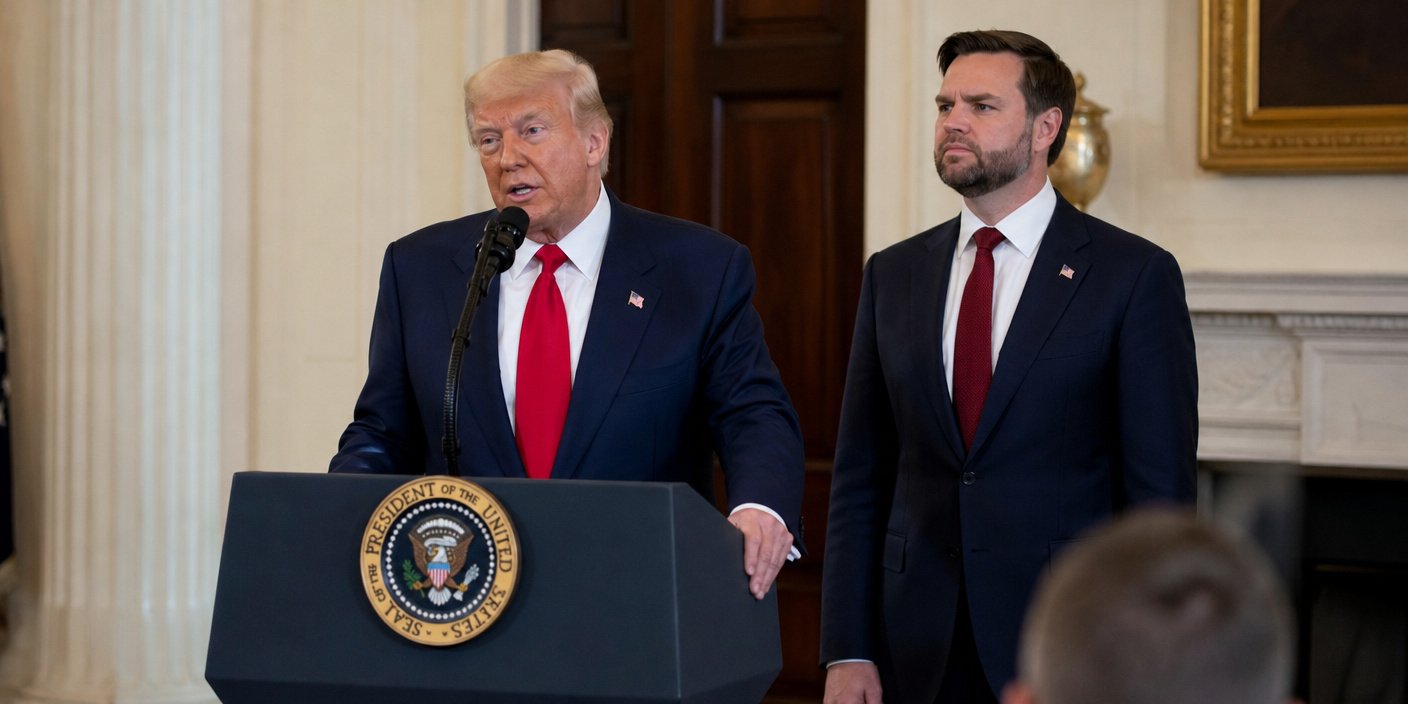
The U.S. State Department has taken decisive action, implementing an Online Censorship Ban. Five Europeans now face entry bans into the United States, accused of leading efforts that allegedly pressured American tech firms to censor American viewpoints online. Secretary of State Marco Rubio announced the measure, characterizing these individuals as “radical” activists and “weaponized” non-governmental organizations. This action stems from a new visa policy, effective May 2025, which restricts foreigners involved in censorship and specifically targets the suppression of protected speech impacting American citizens and residents. This new policy is a critical component of the US approach to combating foreign censorship, directly addressing concerns about suppressing American viewpoints.
America’s Stance on Free Speech Defense Against Online Censorship Ban
The United States fiercely protects free speech rights, a principle enshrined in the Constitution. The new visa policy reflects this unwavering commitment, aiming to counter foreign interference and tech censorship online. Foreign officials cannot unilaterally demand censorship or pressure American platforms to alter global content moderation policies. Such actions are viewed as an encroachment on U.S. sovereignty. Secretary Rubio affirmed the policy’s necessity, stating that “extraterritorial censorship” is unacceptable. This measure is authorized by law, specifically Section 212(a)(3)(C) of the Immigration and Nationality Act, which allows for the denial of entry if an individual’s presence poses serious adverse foreign policy consequences, a direct blow against the practice of online censorship.
Targeted Individuals and the Rationale Behind the Online Censorship Ban
Under Secretary of State for Public Diplomacy Sarah Rogers identified the five individuals targeted by the Online Censorship Ban. They include leaders of organizations focused on digital hate, such as Imran Ahmed, CEO of the Centre for Countering Digital Hate; Josephine Ballon and Anna-Lena von Hodenberg, leaders of Germany’s HateAid; and Clare Melford, who runs the Global Disinformation Index. Notably, former EU Commissioner Thierry Breton was also named, with Rogers calling him the “mastermind” behind the EU’s Digital Services Act. These individuals allegedly led organized campaigns to pressure platforms into suppressing “American viewpoints they oppose,” threatening legal action or arrest warrants against content posted on American platforms in an attempt to punish or coerce American speakers. This move is a significant aspect of the free speech defense, a crucial element in combating any Online Censorship Ban.
The Broader Context of Digital Regulation and the Online Censorship Ban
This Online Censorship Ban is part of a larger U.S. strategy to push back against foreign influence over online speech. Tensions are particularly high with Europe, with the EU’s Digital Services Act (DSA) serving as a flashpoint. U.S. officials argue the DSA compels censorship, forcing American tech companies to alter global policies and allegedly stifling political speech and diverse viewpoints, a concern amplified by the potential for an Online Censorship Ban. The U.S. views these European regulations as an overreach. This visa policy leverages immigration law to target individuals directly, restricting their presence in the U.S. and effectively bypassing direct sanctions or new platform rules, demonstrating a firm stance against foreign censorship.
Implications and Future Actions Regarding the Online Censorship Ban
These visa restrictions carry significant implications, signaling a tough stance against extraterritorial censorship, a key issue in any Online Censorship Ban. Foreign officials engaging in such activities now face consequences, with potential impact on their immediate family members. Secretary Rubio indicated that the list could expand, serving as a warning to other nations and aiming to deter future censorship attempts. This reinforces the U.S. commitment to defending American free speech principles and highlights the growing conflict over global internet governance and differing views on content moderation, especially when an Online Censorship Ban is involved. The U.S. prioritizes its own legal protections and is prepared to use immigration tools to enforce them, reflecting a commitment to American online narratives and a direct response to perceived foreign pressure. This approach also considers the implications of the US visa policy.
The United States has set a clear precedent, stating it will restrict entry for those deemed to be suppressing American voices. This policy directly addresses alleged coercion and aims to safeguard online expression, underscoring the administration’s approach to an Online Censorship Ban. This is an ongoing effort to shape the future of digital speech, focusing on protecting American interests and defending fundamental freedoms online. The commitment to a robust free speech defense remains paramount, and this Online Censorship Ban serves as a clear statement of intent.