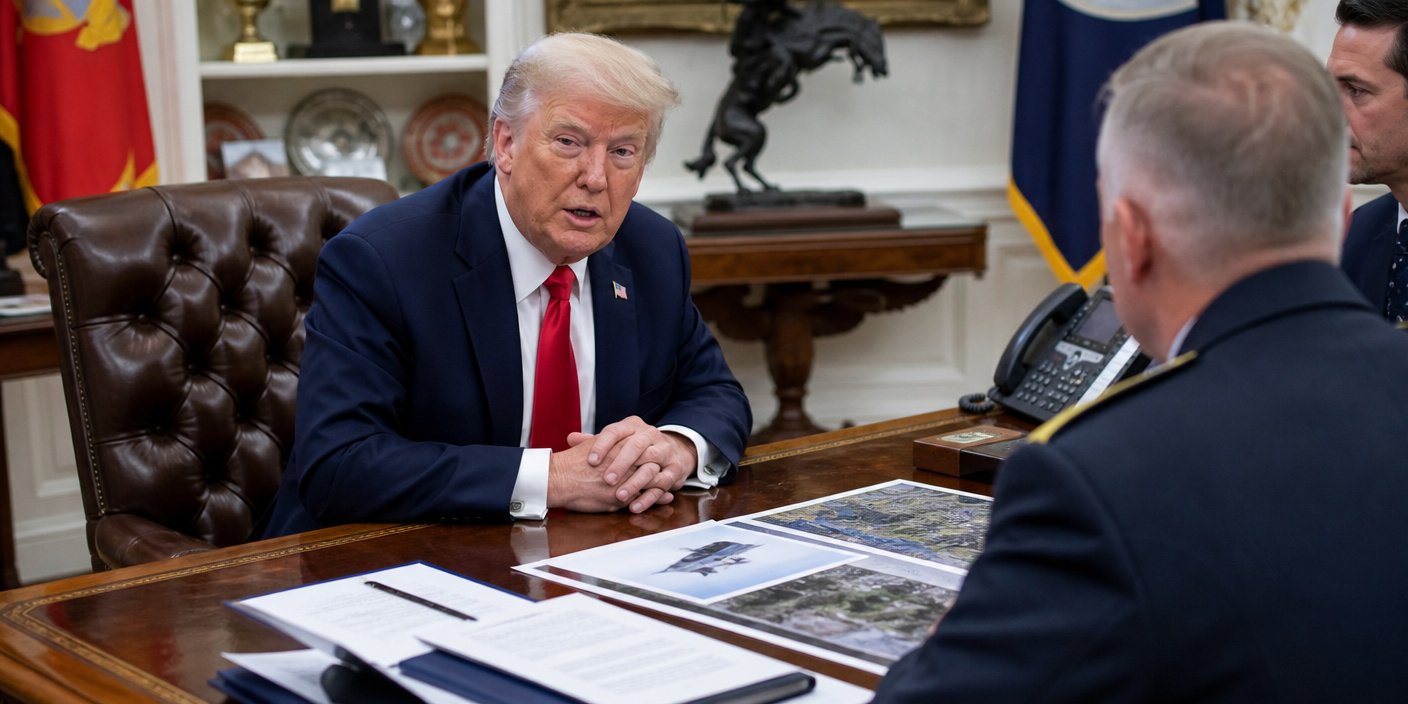
President Trump announced a major policy shift, a significant Trump Migration Pause targeting “Third World countries.” This decision, following a shooting incident involving a National Guard member, has far-reaching implications for national security concerns and immigration reform, marking a key moment in the Trump Migration Pause debate. The Trump Migration Pause is a pivotal aspect of the administration’s approach to border security concerns.
Understanding the Trump Migration Pause and Border Security

Trump made the announcement on Truth Social on November 27, 2025, calling it a “permanent pause.” The primary goal of this Trump Migration Pause is the recovery of the US immigration system. He vowed to end current admissions and remove individuals who are not deemed a net asset to the USA, signaling a severe immigration crackdown and a shift in US immigration policy. This Trump Migration Pause directly impacts current immigration reform efforts.
The Shooting Incident and National Security Concerns Related to the Trump Migration Pause
The impetus for the intensified scrutiny and the subsequent Trump Migration Pause stemmed from a shooting near the White House involving an Afghan national, which resulted in injuries to two National Guard members, one of whom later died. President Trump characterized this as “an act of terror,” amplifying national security concerns surrounding the existing border policy. This event was a catalyst for the Trump Migration Pause, highlighting the importance of robust border security concerns.
This policy halts migration from developing nations, often imprecisely referred to as “Third World countries,” particularly those experiencing poverty and instability. It also includes ending federal benefits for noncitizens, initiating denaturalization processes, and deportations targeting perceived risks. This represents a significant recalibration of the Trump immigration policy and a stricter approach to Third World migration, directly influenced by the Trump Migration Pause.
Re-evaluation of Immigration from “Countries of Concern” under the Trump Migration Pause
USCIS will re-examine Green Cards for individuals from designated “countries of concern.” While India is not on this list, the term “Third World” is generally understood to encompass developing nations. Specific countries named for the migration pause include Afghanistan, Iran, Somalia, Libya, Yemen, Venezuela, Chad, Eritrea, Cuba, Haiti, and Sudan, all nations facing significant instability, making them priorities for the Trump Migration Pause. This aspect of the Trump Migration Pause underscores the focus on national security implications.
This move signals a strict immigration crackdown, echoing prior travel bans. The policy’s focus on exclusion and the reduction of “destabilizing populations” under the Trump Migration Pause is designed to reshape global migration patterns, though it raises humanitarian concerns. The Trump Migration Pause is a sweeping measure that comes after a national tragedy, and its full impact on US immigration reform and the broader immigration landscape remains to be seen. This stringent border policy is central to the Trump Migration Pause.
President Trump’s announcement of the Trump Migration Pause marks a significant policy change. The “Third World” pause is a sweeping measure that follows a national tragedy. This Trump Migration Pause is a critical element of his updated immigration policy. Its full impact on border policy and national security concerns remains to be seen. This is major national news regarding the Trump Migration Pause and its implications for immigration reform. The Trump Migration Pause is a central theme in current discussions about US immigration policy.