GENEVA – Top U.S. and Ukrainian officials announced on Sunday that they have drafted an “updated and refined peace framework” aimed at ending the protracted war with Russia. The breakthrough, emerging from “highly productive” talks in Geneva regarding the Ukraine Peace Framework, represents a significant step in diplomatic efforts, though key details remain undisclosed and questions about its ultimate feasibility persist. This revised proposal seeks to address significant concerns raised by an earlier U.S.-backed plan, which had drawn sharp criticism from Kyiv and its European allies for being too amenable to Moscow’s demands. The evolution of this Ukraine Peace Framework is crucial for establishing lasting peace.
Progress in Geneva Negotiations for the Ukraine Peace Framework
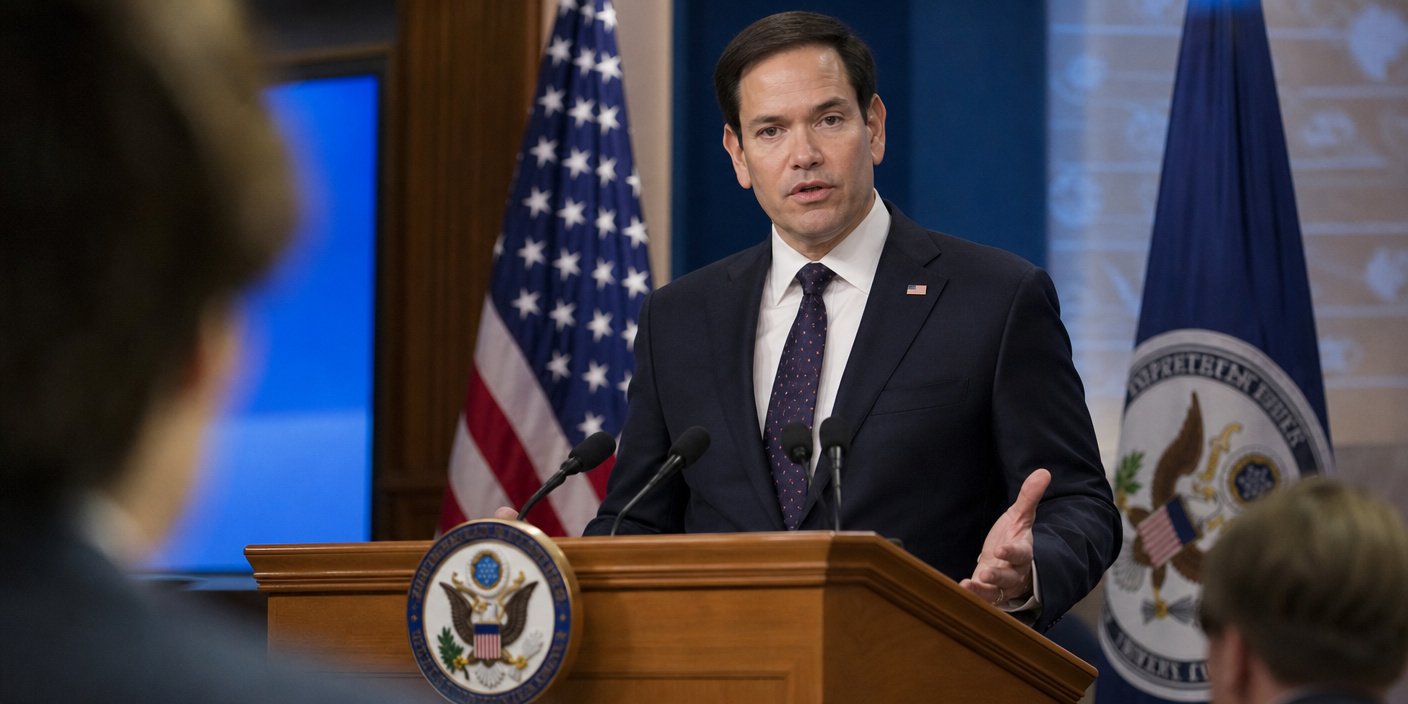
Following intensive discussions, U.S. Secretary of State Marco Rubio hailed the Geneva meeting as “probably the most productive and meaningful meeting” since the current administration took office. The joint statement released by the White House underscored a shared commitment to achieving a “sustainable and just peace” that “fully upholds Ukraine’s sovereignty.” The Ukrainian delegation, led by Andriy Yermak, head of Ukraine’s Presidential Office, confirmed “very good progress” was made, indicating a shared aspiration for a lasting resolution through the proposed Ukraine Peace Framework. The talks, which included European national security advisors from the UK, France, and Germany, signal a multi-faceted diplomatic engagement to de-escalate the conflict and advance the Ukraine Peace Framework.
Evolution of the U.S. Peace Proposal and the Ukraine Peace Framework
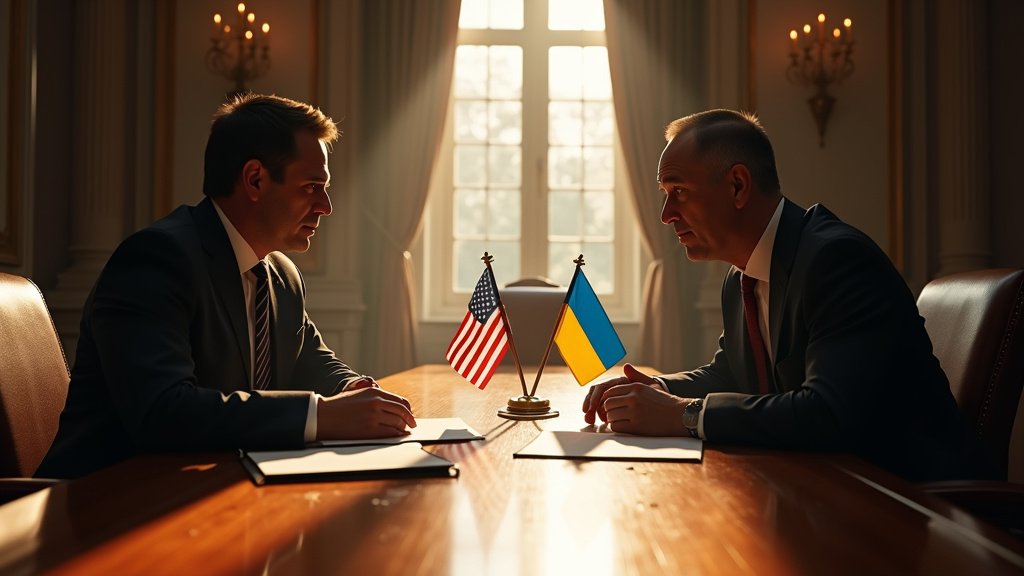
The latest development comes after an initial 28-point peace plan, reportedly championed by President Donald Trump, leaked to media outlets and met with widespread alarm. This earlier blueprint was seen by many, including Ukrainian officials and European leaders, as excessively favorable to Russia. Critiques centered on demands for Ukraine to cede significant territory, accept limitations on its military size, and formally renounce its aspirations for NATO membership. Some U.S. lawmakers even suggested the plan resembled a “Russian wish list” rather than a U.S. proposal. The need to refine this initial framework for the Ukraine Peace Framework became apparent as European allies, including France, Germany, and the UK, prepared their own counter-proposals, emphasizing that borders should not be altered by force and warning against leaving Ukraine vulnerable.
Core Components of the Refined Ukraine Peace Framework
While specific details of the “updated and refined peace framework” remain scarce, official statements suggest it incorporates strengthened security guarantees for Ukraine. The White House indicated that the Ukrainian delegation found the revised framework to “reflect their national interests”. U.S. Secretary of State Rubio noted that while work remains on issues like NATO’s role and security assurances, progress has been made in narrowing down unresolved points from the original 28-point plan. This American initiative aims to bridge the gap between previous contentious proposals and Ukraine’s fundamental security needs, forming the core of the new Ukraine Peace Framework.
Ukraine’s Security Demands and the Ukraine Peace Framework
A central tenet of Ukraine’s position in these negotiations revolves around securing robust, long-term safety within the context of the Ukraine Peace Framework. Kyiv is insisting on security guarantees analogous to NATO’s Article 5 mutual defense clause, envisioning a pact that would commit partners, including the United States, to assist in case of future aggression. Beyond security, Ukraine is actively pursuing the utilization of frozen Russian assets to finance its reconstruction and compensate for war damages. Estimates suggest these assets, primarily held by Western governments, amount to approximately $300 billion in Russian Central Bank reserves. The use of these funds is viewed not only as a means for recovery but also as a mechanism to ensure accountability for Russia’s actions.
European Allies’ Input and Counter-Proposals for European Security
Ukraine’s European partners have played a crucial role in shaping the diplomatic discourse, often acting as a counterbalance to proposals perceived as overly accommodating to Russia. During the G20 summit, a joint statement from several European nations, Canada, and Japan expressed concerns over the U.S. plan’s proposed military limitations for Ukraine, deeming them potentially destabilizing for European security. These allies have put forth their own modified version of the peace plan, which reportedly allows for a larger Ukrainian military and suggests that territorial swap discussions should commence from the current front lines, rather than from a pre-determined assessment of territories. Their proposals also re-emphasize the principle that borders should not be changed by force and underscore the central role of the European Union in any future peace settlement.
The Frozen Assets Debate: A Path to Reconstruction?
The prospect of leveraging frozen Russian assets for Ukraine’s reconstruction has emerged as a significant point of negotiation, intrinsically linked to the viability of any Ukraine Peace Framework. Proposals range from establishing an “international compensation mechanism” to using these assets as collateral for loans to finance Ukraine’s rebuilding efforts. The European Union, which holds a substantial portion of these frozen funds, has explored models such as a “reparations-backed loan,” where immobilized assets would secure financing for military assistance, infrastructure repair, and humanitarian needs. This approach aims to shift the financial burden of the war onto the aggressor state, setting a precedent for international accountability.
Unresolved Questions and the Path Forward for the Ukraine Peace Framework
Despite the reported progress, significant hurdles remain. The precise terms of the “updated and refined peace framework” are not public, leaving many crucial aspects, such as the nature of security guarantees and the specifics of territorial discussions, unarticulated. President Trump had previously set a deadline for Ukraine to accept his initial proposal, a timeline that has since been reportedly softened. The ongoing story of these negotiations highlights the delicate balance of power and competing interests at play. Both the U.S. and Ukraine have pledged to continue intensive work on joint proposals in the coming days to finalize the Ukraine Peace Framework. However, as the conflict grinds on, the efficacy and justice of any eventual agreement will be paramount to ensuring a stable and enduring peace for Ukraine and the wider European security landscape. This unfolding diplomatic effort is undoubtedly a top story, with profound implications for international relations and the future of post-conflict reconstruction.