SEATTLE, WA – For decades, data has consistently shown a stark reality in Washington State: Native American youth are arrested, detained, and incarcerated at rates significantly higher than their white peers. Despite acknowledgments from state agencies and ongoing reform efforts, these deeply concerning racial and ethnic disparities within the juvenile justice system have not only persisted but have worsened over time, painting a grim picture for Indigenous youth in the American justice system and impacting Native American youth.
The Widening Chasm: Disturbing Statistics for Native American Youth
Recent data from 2019-2023 reveals that Native American youth in Washington are more than 4.5 times more likely to be incarcerated than white children. This figure represents a significant increase from 2001, when the disparity was 2.7 times. The racial inequities in juvenile justice disparities are particularly pronounced: even before a conviction, Native American youth are 6.4 times more likely to be held in detention, and 6.1 times more likely to be kept in custody after being tried in court. These statistics are not isolated incidents; they reflect a systemic issue that impacts every stage of contact with the juvenile legal system for Native American youth.
Beyond general Indigenous youth incarceration rates, other alarming trends have emerged for Native American youth. Indigenous juveniles in Washington are nearly 30 times more likely to be returned to detention for administrative probation violations, such as missing a check-in with their officer—actions that do not constitute new crimes. Furthermore, while Native American and white youth may be arrested for similar types of crimes, Indigenous children are seven times as likely to be charged for nonviolent property offenses. This demonstrates a clear pattern affecting Native American youth.
Contributing Factors: Systemic Racism and Historical Trauma for Native American Youth
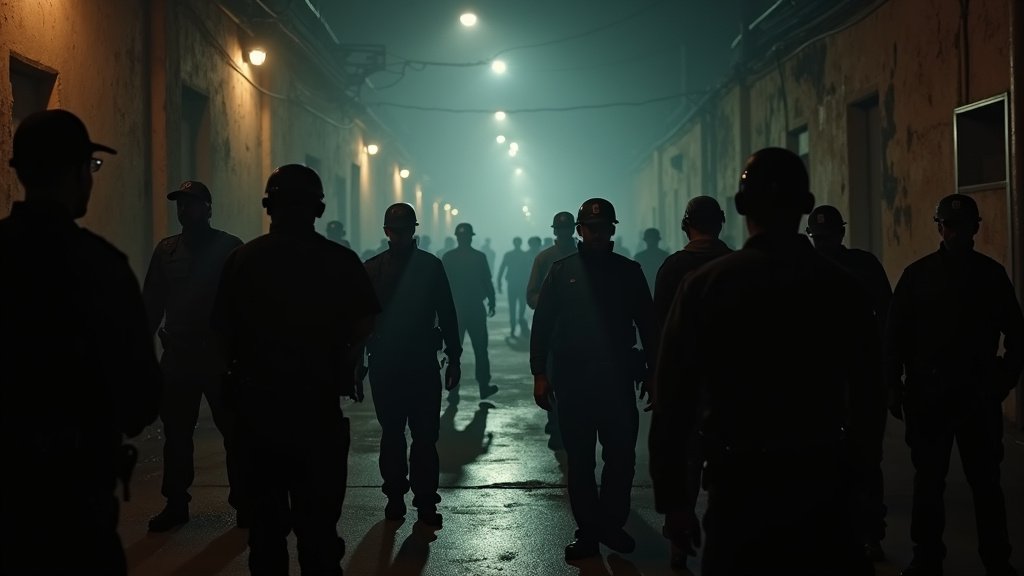

Advocates and legal experts point to a complex interplay of factors, arguing that these disparities for Native American youth are rooted in systemic racism justice within the criminal legal system rather than inherent behavioral differences. Overpolicing of Native American communities and discretionary arrests for offenses like obstruction of justice are cited as significant contributors. These types of arrests are often not mandated by law, allowing for subjective judgment that can disproportionately affect marginalized Native American youth.
Compounding these issues is the impact of historical trauma inherited from centuries of federal policies aimed at eradicating Native culture, such as boarding schools. This legacy, coupled with contemporary challenges like poverty, unstable housing, and limited access to mental health resources, makes Native American children particularly vulnerable to entering the justice system. Truancy also plays a role; Native American youth represent 26% of the state’s truant students, despite making up only about 1% of the school population, with a disproportionately high rate of these cases reaching juvenile court for Native American youth.
Geographic and Jurisdictional Challenges for Native American Youth
The racial inequities are not uniform across Washington State, but where they exist, they are severe for Native American youth. In rural Whitman County, Native American youth are nearly seven times more likely to be arrested than their white peers. In Okanogan County, Native American youth constituted 52% of juvenile arrests in 2022, while only comprising 8% of the county’s population. The complex web of tribal jurisdiction issues also creates challenges for Native American youth, with them potentially facing harsher sentences and fewer diversionary programs in the federal system.
Official Acknowledgment and the Slow Pace of Change for Native American Youth
The Washington State courts and the Department of Children, Youth, and Families (DCYF) acknowledge the existence of these inequities and have committed to developing action plans and committees to address racial disparities in the juvenile legal system. Recent years have seen some reforms, such as Senate Bill 6115, which allows DCYF to contract with tribes for residential custody services, aiming to provide culturally relevant care for Native American youth. The state also participates in the national Juvenile Detention Alternatives Initiative (JDAI) to reduce reliance on detention for Native American youth.
However, progress remains slow, and specific legislative measures aimed at directly addressing Native American disparities have stalled. Advocates highlight critical gaps, such as the inconsistent recording of tribal affiliation for youth involved in cases and the lack of mandatory notification to tribal governments when their youth enter the state court system. This oversight prevents tribes from offering timely legal, financial, or spiritual support to Native American youth.
The Call for Meaningful Reform for Native American Youth
Calls for reform emphasize the need for fewer discretionary arrests, greater transparency and data collection, and the implementation of culturally responsive community-based services. Organizations like the Sentencing Project and the Prison Policy Initiative continue to track these disparities, urging policy changes that address the root causes and ensure a more equitable justice system for all American youth, particularly Native American youth.
The ongoing disproportionality in Washington’s juvenile justice system for Native American youth is a critical news issue demanding urgent attention and effective, culturally appropriate solutions to break the cycle of disadvantage and promote true justice for Native American youth.