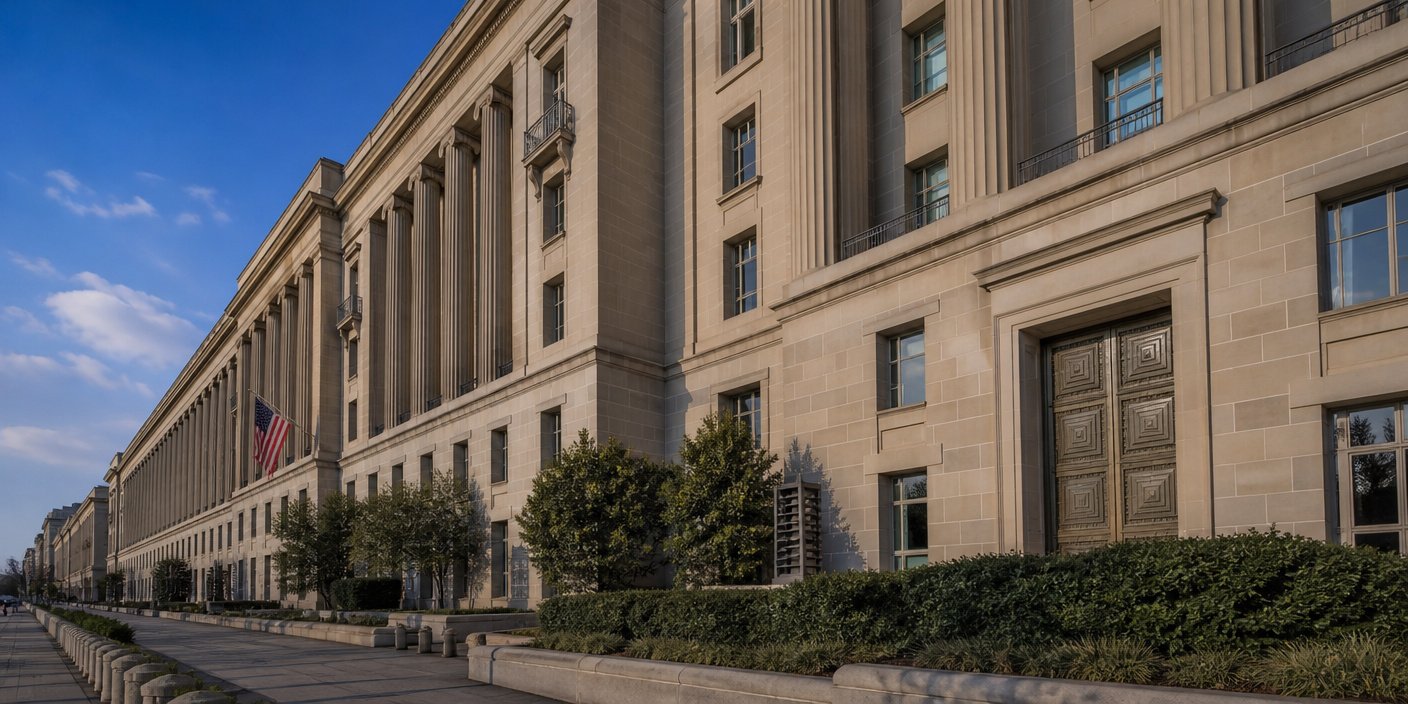
The U.S. Department of State has revoked the visas of six foreign nationals due to their social media comments that celebrated the assassination of conservative activist Charlie Kirk. This action underscores a broader crackdown by the Trump administration on online speech deemed offensive or threatening to American interests, highlighting a strict stance on individuals who express animosity towards American citizens.
State Department’s Firm Stance on Online Tributes

The State Department announced the visa revocations on October 14, 2025, stating unequivocally, “The United States has no obligation to host foreigners who wish death on Americans.” The department indicated it continues to identify visa holders who celebrated the “heinous assassination” of Kirk. This move is part of an ongoing effort to enforce immigration laws and protect national interests, with officials emphasizing that “aliens who take advantage of America’s hospitality while celebrating the assassination of our citizens will be removed.” The individuals affected hailed from Argentina, South Africa, Mexico, Brazil, Germany, and Paraguay.
The Assassination of Charlie Kirk
Charlie Kirk, a prominent American right-wing political activist and co-founder of Turning Point USA, was assassinated on September 10, 2025, while delivering a speech at Utah Valley University in Orem, Utah. He was known for his work mobilizing young conservatives and his close ties to former President Donald Trump. Kirk’s rhetoric was often described as divisive, with critics labeling it as racist, xenophobic, and misogynistic, though he defended his public discourse as healthy disagreement.
Online Reactions and Visa Revocations
Following Kirk’s death, several foreign nationals expressed jubilant or approving sentiments on social media. The State Department shared examples of these comments, including one from an Argentine national who stated Kirk “devoted his entire life spreading racist, xenophobic, misogynistic rhetoric” and deserved to “burn in hell.” Another individual from South Africa allegedly mocked Americans grieving Kirk’s death, calling it an “attempted martyrdom.” A German national’s comment, “When fascists die, democrats don’t complain,” also led to a visa revocation. These specific online “stories” became the basis for the U.S. government’s decision to revoke their visas, deeming such expressions incompatible with American hospitality and values.
Broader Context: Social Media Scrutiny and Immigration Policy
This visa revocation action is situated within a broader trend of increased scrutiny of foreign nationals’ online activities by the Trump administration. Previous warnings from high-ranking State Department officials, including Secretary of State Marco Rubio and Deputy Secretary of State Christopher Landau, had signaled that the administration would take action against individuals celebrating Kirk’s death. The administration has previously used social media content as grounds for revoking or denying visas for various reasons, including alleged support for terrorism, and even for critical posts about the U.S. government. Such policies have drawn criticism from civil liberties advocates who raise concerns about freedom of speech protections for non-citizens.
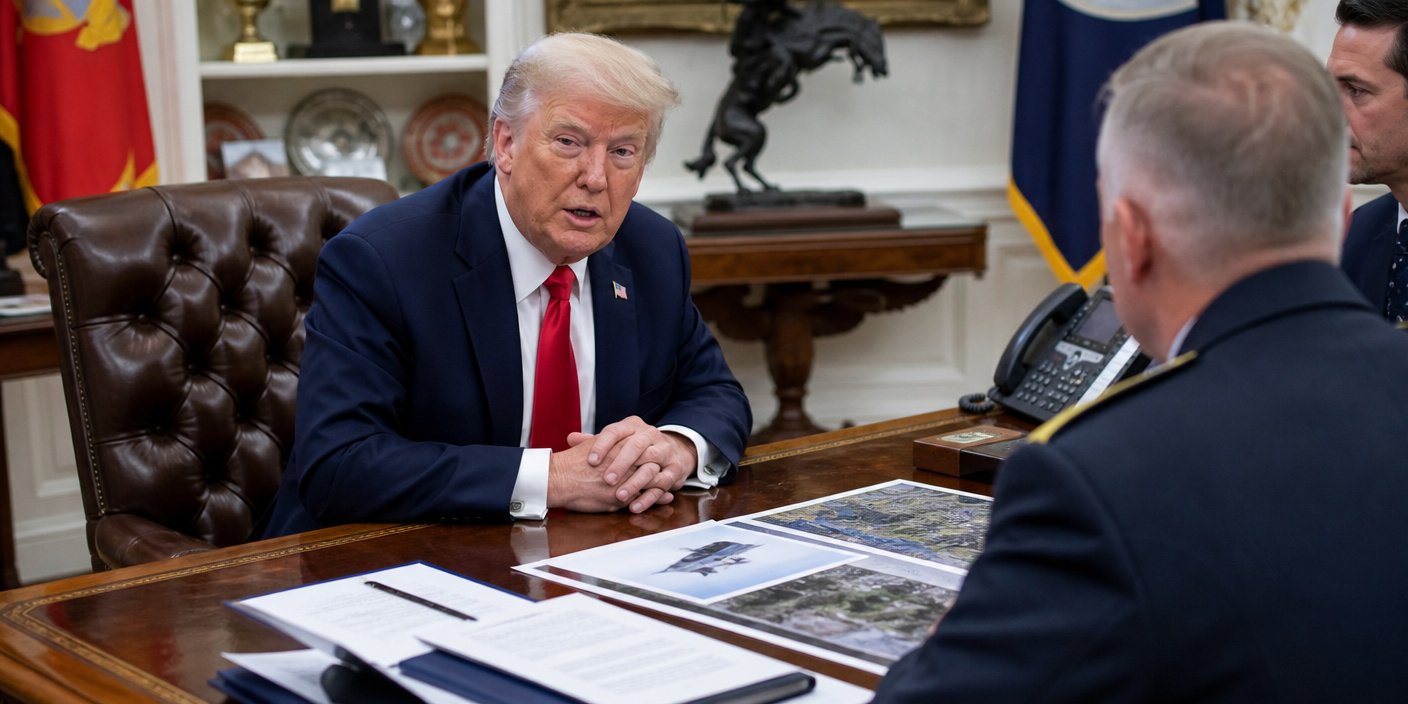
The announcement of the visa revocations coincided with President Trump posthumously awarding Charlie Kirk the Presidential Medal of Freedom, the nation’s highest civilian honor, on what would have been Kirk’s 32nd birthday. The administration has vowed to continue enforcing immigration laws and to “defend our borders, our culture, and our citizens.” The trending discussions around these events highlight the evolving intersection of digital communication, immigration policy, and national security concerns in the United States.
Conclusion
The revocation of six visas serves as a stark warning regarding the consequences of expressing celebratory sentiments over the death of American figures online. The U.S. Department of State’s firm stance reinforces its commitment to identifying and penalizing foreign nationals whose online behavior is perceived as disrespectful or hostile towards American citizens, potentially impacting future immigration policies and international discourse.