Sharm El-Sheikh, Egypt – October 13, 2025 – A significant chapter in the protracted Gaza conflict appears to be closing as a U.S.-brokered ceasefire agreement has taken effect, paving the way for the release of Israeli hostages held by Hamas and a large-scale exchange of Palestinian prisoners. The momentous developments, culminating in a global peace summit in Sharm El-Sheikh, Egypt, signify a critical, albeit fragile, step towards de-escalation and potential long-term stability in the war-torn region.
The Cornerstone of the Agreement: Hostages and Prisoners
The linchpin of this new phase in the conflict resolution is the comprehensive exchange between Hamas and Israel. On Monday, Hamas fulfilled its commitment by releasing all 20 of the remaining living Israeli hostages it had held captive. This move was reciprocated by Israel, which freed approximately 1,968 Palestinian prisoners and detainees. The Israeli releases included a substantial number of individuals serving life sentences, as well as over 1,700 others who had been detained without charges since the initial outbreak of hostilities on October 7, 2023.
This exchange represents a tangible victory for diplomatic efforts, bringing an end to the immediate suffering of families on both sides. The return of the living hostages marked the first phase of a comprehensive peace plan, underscoring the immense international pressure and persistent mediation that led to this breakthrough. The remains of four deceased Israeli hostages were also returned to Israel on Monday, though concerns linger for the 24 others whose bodies have yet to be located and recovered.
Global Leaders Convene for Peace Declaration
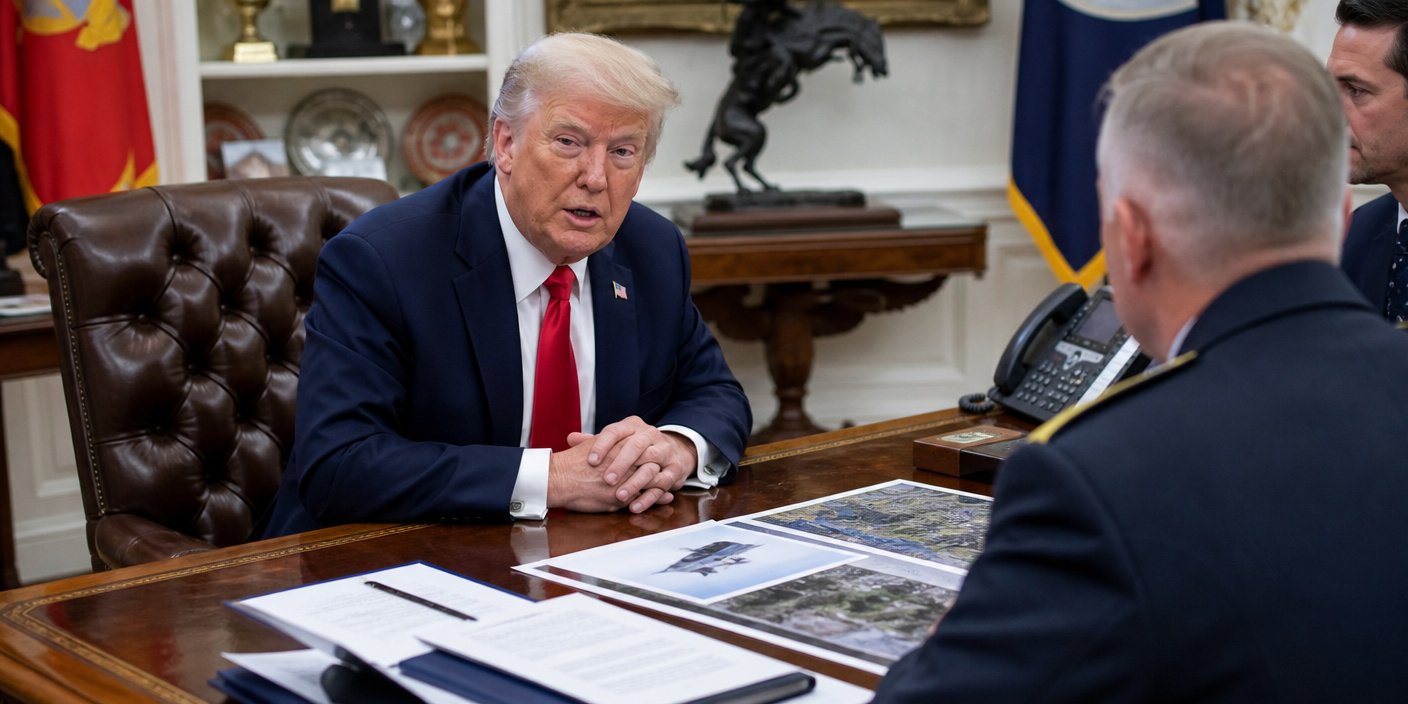
Following the critical exchange, U.S. President Donald Trump, who has been instrumental in brokering the deal, joined a gathering of world leaders in Sharm El-Sheikh, Egypt, for a peace summit. The summit aimed to solidify the ceasefire and discuss the crucial next steps for post-war governance and reconstruction in Gaza. President Trump, alongside the leaders of Egypt, Qatar, and Turkey – key mediators in the negotiations – signed a joint declaration endorsing the U.S.-brokered plan to end the war.
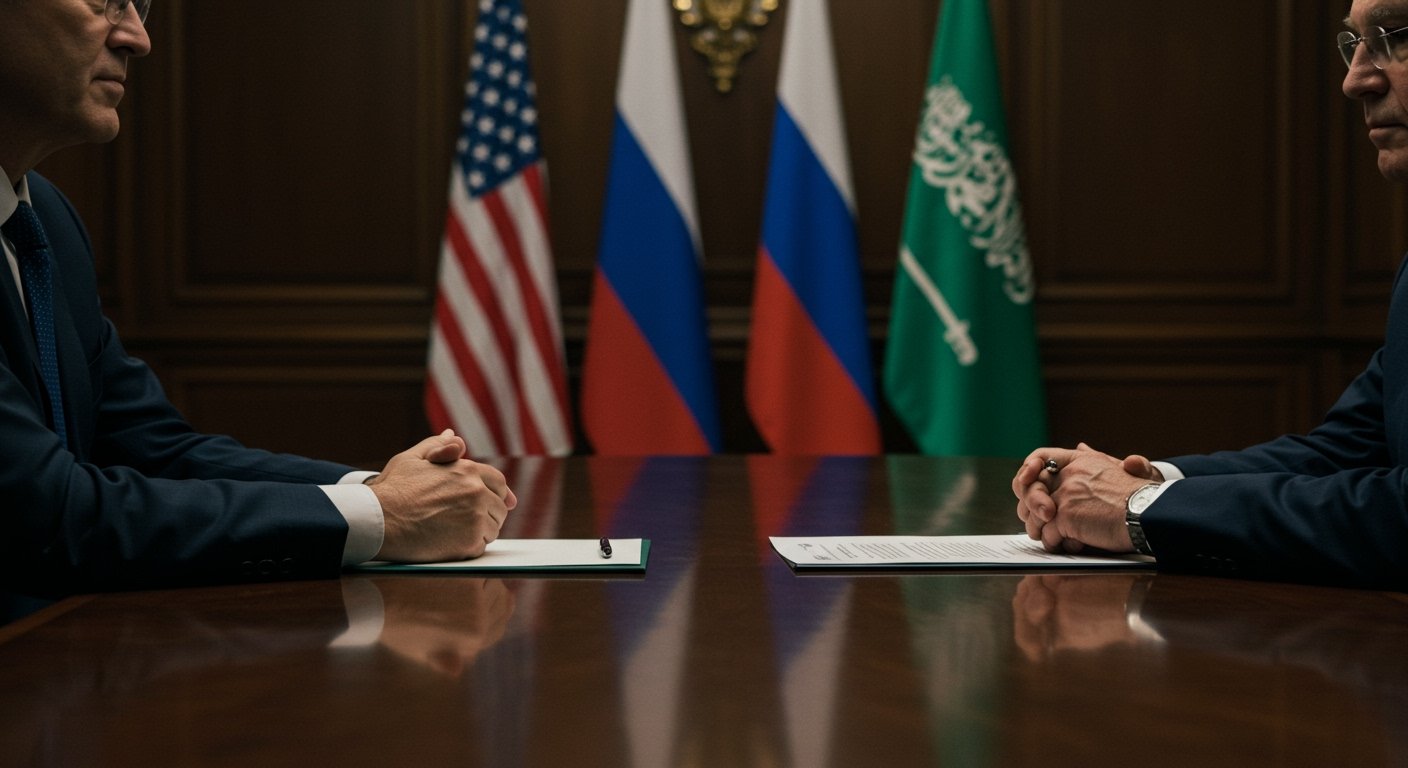

President Trump, speaking at the summit, declared the Gaza war “over” and hailed the day as “tremendous” for the Middle East, urging regional nations to move past old feuds and embrace a new era of harmony. The declaration signed by the mediators committed to resolving future disputes through diplomatic engagement and negotiation, acknowledging that the region cannot sustain continuous warfare.
Background to the Fragile Ceasefire
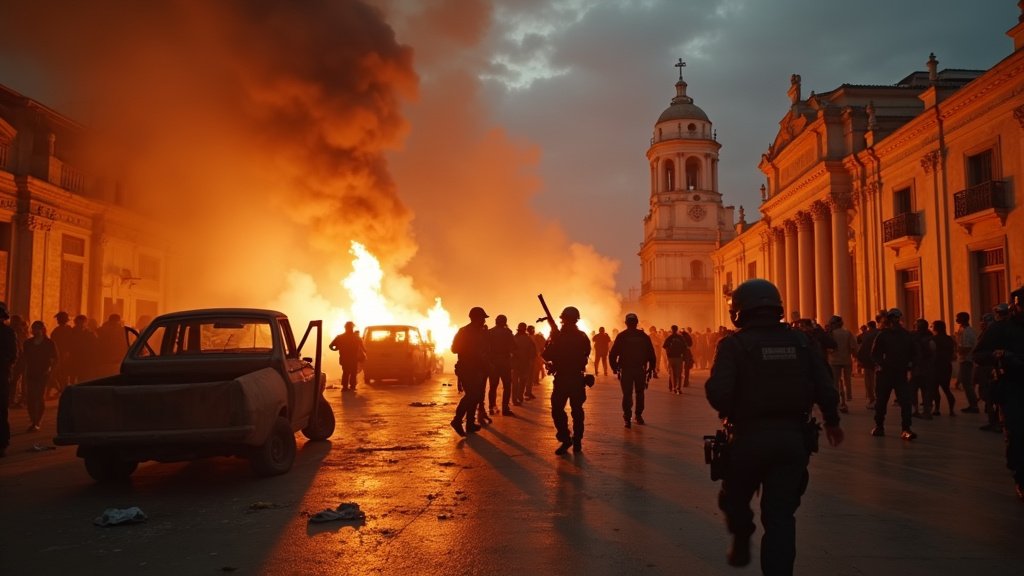
The current agreement arrives after nearly two years of devastating conflict that began with Hamas’s unprecedented attack on southern Israel on October 7, 2023. The ensuing Israeli military operations in Gaza resulted in widespread destruction, a severe humanitarian crisis, and a tragic loss of life, with Gaza’s health authorities reporting over 67,869 Palestinian deaths by October 13, 2025.
This comprehensive plan, outlined by President Trump, involved several phases. The initial phase, now largely completed, focused on the cessation of hostilities, the release of hostages and prisoners, and the flow of humanitarian aid into Gaza. However, the durability of this peace remains a paramount concern. Analysts and leaders alike acknowledge that significant challenges lie ahead, particularly concerning the disarmament of Hamas, the establishment of a post-war governing body for Gaza, and the broader political aspirations of the Palestinian people, including the long-stalled two-state solution.
International Support and Mediation Roles
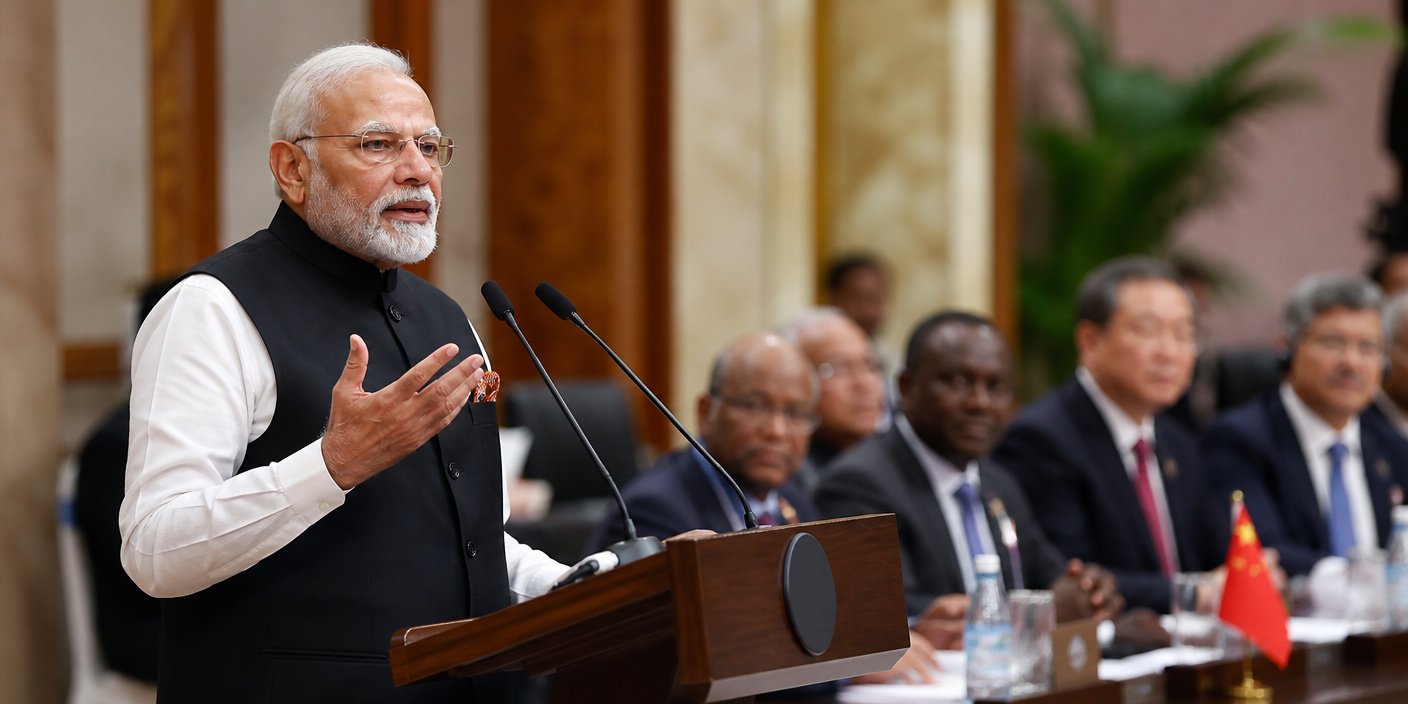
The international community has largely welcomed the developments, with many nations expressing support for President Trump’s efforts. Indian Prime Minister Narendra Modi commended the U.S. President’s initiatives, reaffirming India’s commitment to a two-state solution. “We welcome the release of all hostages after over two years of captivity,” Modi stated, calling their freedom a testament to the courage of their families and the peace efforts.
Key mediators Egypt, Qatar, and Turkey played pivotal roles in facilitating the complex negotiations. Egyptian President Abdel Fattah el-Sisi, who co-chaired the summit with President Trump, lauded the U.S. leader as being “the only one” capable of bringing peace to the region. Turkish President Recep Tayyip Erdogan and the Emir of Qatar, Sheikh Tamim bin Hamad Al Thani, also lent their crucial diplomatic weight to the process. The United Nations Secretary-General António Guterres described the deal as a “desperately needed breakthrough” that must mark “the beginning of the end of this devastating war,” urging full implementation and a permanent ceasefire.
The Road Ahead: Unresolved Questions and Future Prospects
While the immediate exchange brings a glimmer of hope, the path forward is fraught with complexity. The 20-point plan brokered by President Trump includes provisions for Gaza to become a “deradicalized terror-free zone” and to be redeveloped, with a governance structure potentially involving a committee of technocrats and international oversight. However, Hamas has reportedly rejected unilateral disarmament, viewing it as an internal Palestinian matter.
Furthermore, Israel has expressed reservations about a role for the internationally backed Palestinian Authority in Gaza’s post-war governance, despite Palestinian President Mahmoud Abbas’s attendance at the summit. The broader implications for regional security and the potential revival of a credible pathway to Palestinian statehood, a cornerstone of previous U.S. foreign policy, remain subjects of intense debate and negotiation.
A Fragile Hope for Enduring Peace
The Gaza ceasefire and hostage release deal represents a significant diplomatic achievement, offering a much-needed pause in a conflict that has caused immense suffering. The summit in Sharm El-Sheikh provided a platform for global consensus, underscoring the international will to support a more stable future for the Middle East. However, the true test of this agreement will lie in its implementation and the ability of all parties, with robust international backing, to navigate the deeply entrenched political and security challenges that persist. The world watches closely, hoping this fragile truce can indeed usher in a new, lasting era of peace and opportunity for all peoples of the region.