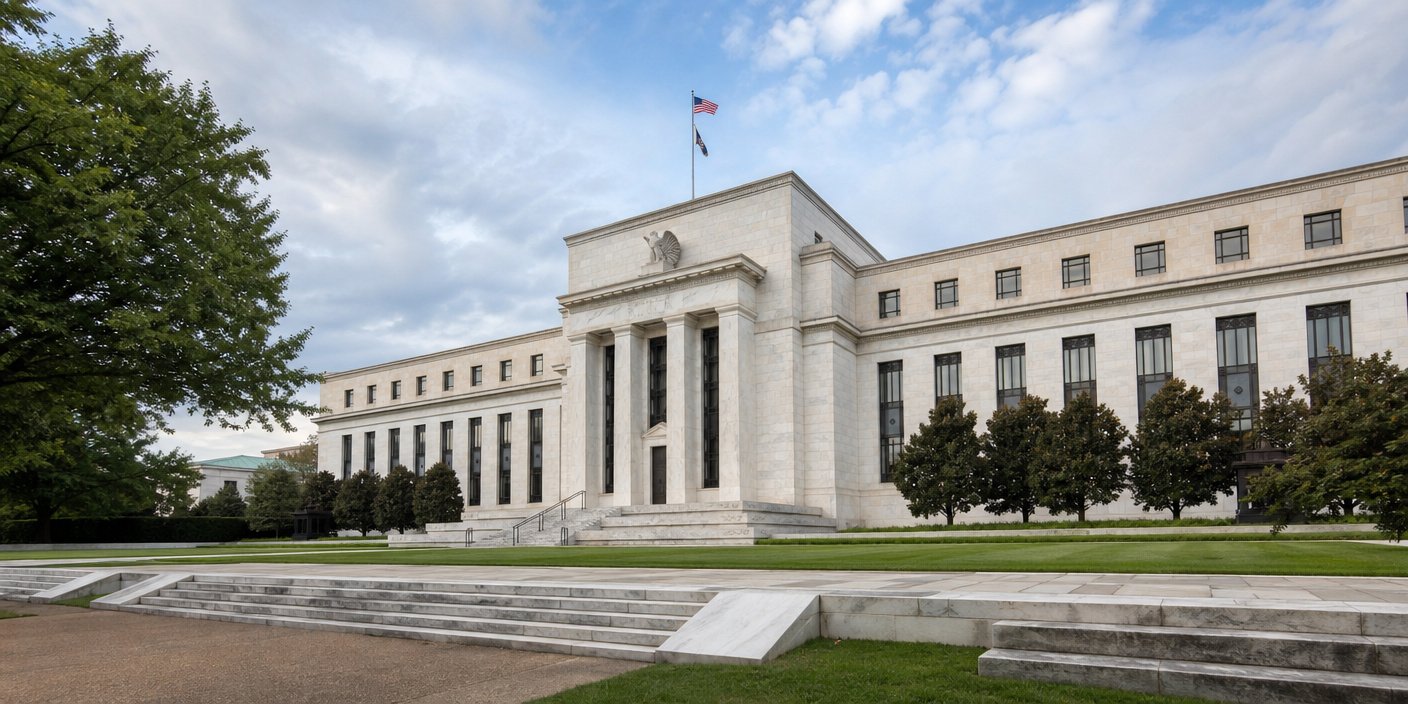
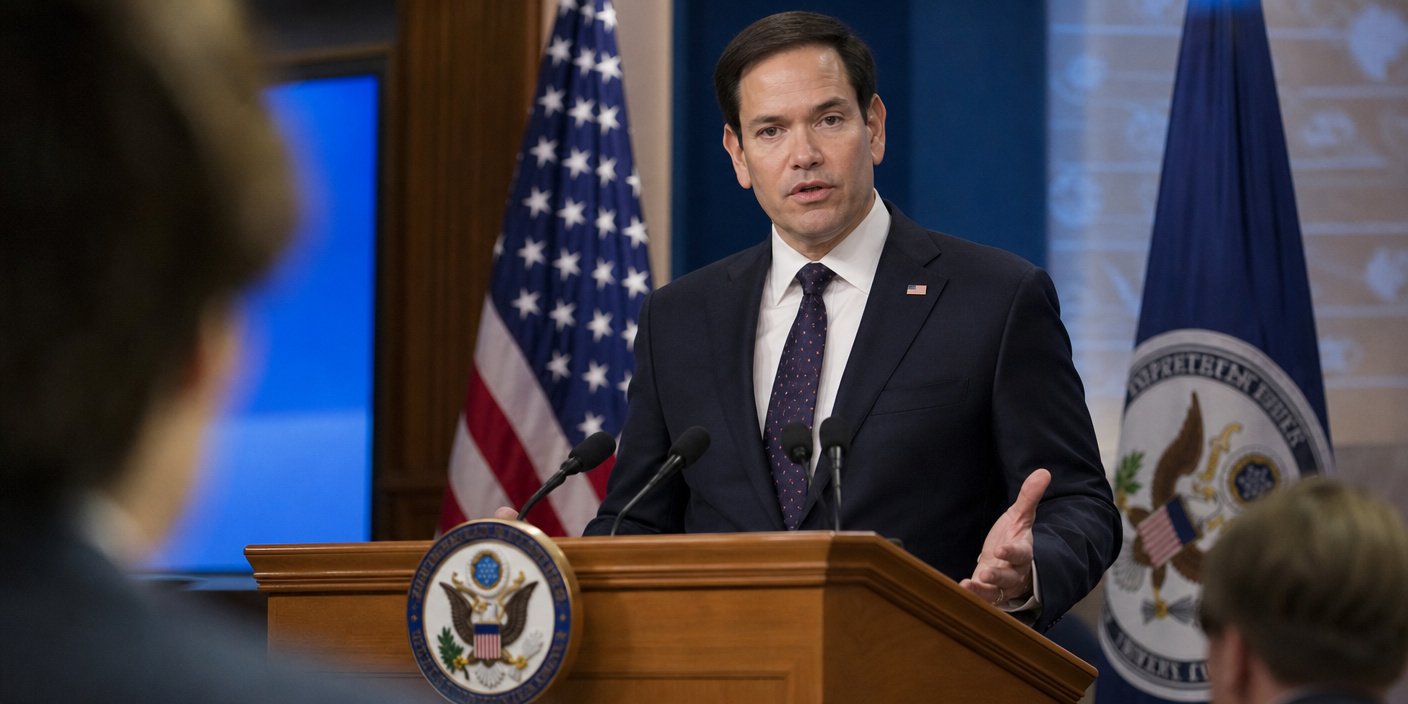
Washington, D.C. – February 10, 2025, marked a day of significant shifts and escalating tensions across the American political and cultural landscape, centered around a series of executive actions, personnel decisions, and judicial developments.
Cultural Institutions Under Review
In a notable move impacting the arts, President Trump initiated steps to exert control over the Kennedy Center for the Performing Arts. The administration reportedly moved to take over the prominent cultural institution, which included the dismissal of numerous board members. President Trump himself stated his intention to become the new chairman of the board.
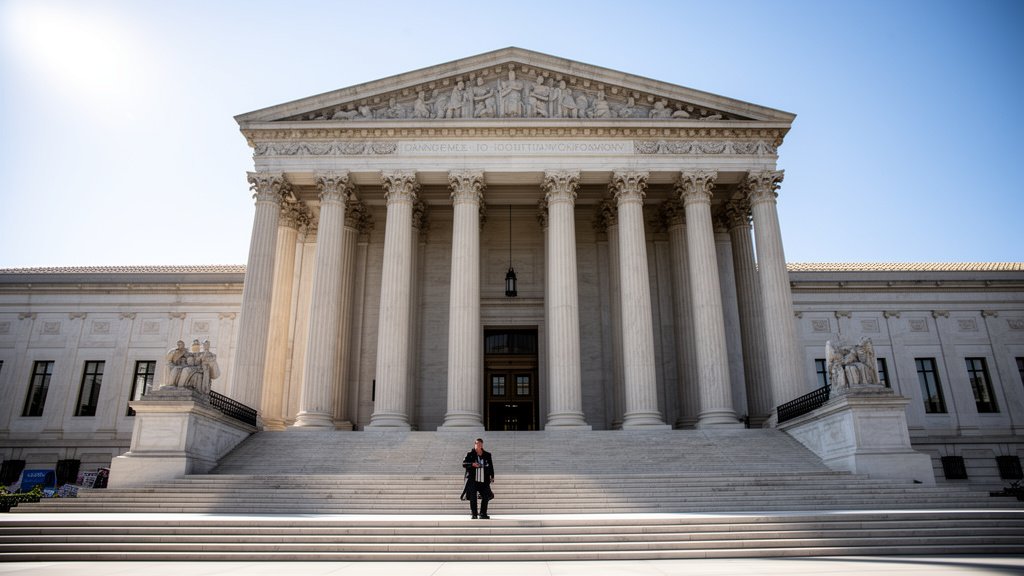


Concurrently, the National Endowment for the Arts (NEA), an independent federal agency that funds artistic projects and institutions, announced the suspension of a grant program specifically designed to support underserved groups and communities. Under the Trump administration, the NEA indicated a shift in focus, prioritizing funding for projects intended to celebrate the 250th anniversary of the United States.
Amidst these changes within the arts sector, former Kennedy Center board member and acclaimed musician John Batiste performed the Star Spangled Banner at the Super Bowl, an event notably attended by President Trump. This public moment occurred as the institution Batiste was formerly affiliated with faced a dramatic leadership restructuring.
Economic Front: Tariffs Reignited
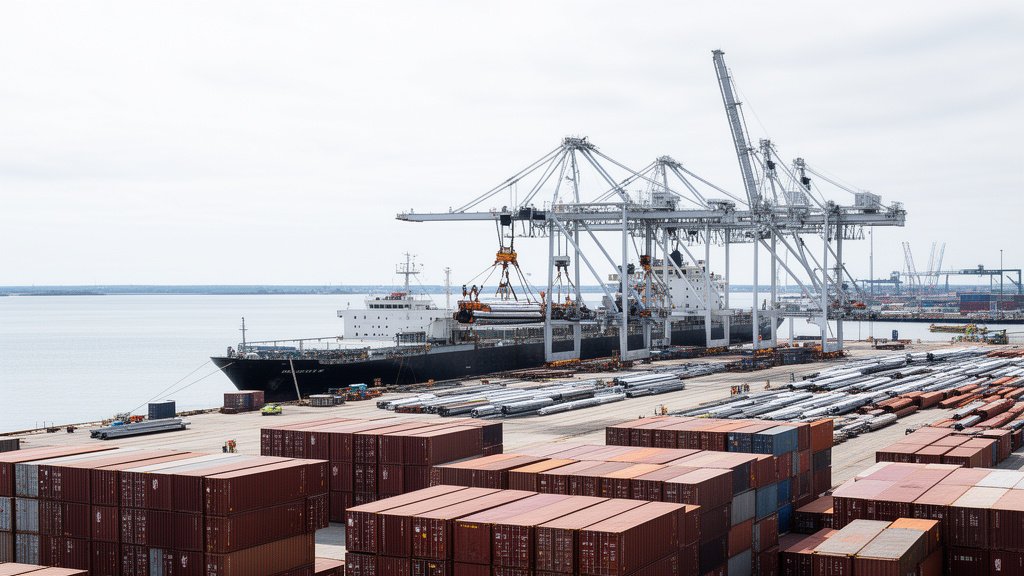
The administration signaled a potential escalation in global trade tensions with the announcement of plans to soon impose a 25% tariff on all imports of steel and aluminum. This move follows previous tariffs on these materials and has immediately been met with a response from a major trading partner. China reportedly announced retaliatory tariffs targeting a range of U.S. products, suggesting a renewed and potentially widening global trade war.
Political and Personnel Controversies
The day also saw the emergence of significant concerns regarding the influence of wealth on government. Concerns were reportedly raised about a perceived “billionaire takeover” of the government. This situation was described by some critics as a “serious constitutional crisis… since Watergate,” with accusations alleging that the president’s actions were intended to seize control of power for “corrupt purposes,” aiming to reward political allies while simultaneously punishing adversaries.
Adding to the day’s controversies, reports surfaced regarding a significant personnel decision by entrepreneur Elon Musk. It was reported that Musk was in the process of rehiring Marco Ellis, a 25-year-old who had previously resigned from a position after being linked to a deleted social media account that allegedly advocated for racism and eugenics. Both President Trump and Senator JD Vance had publicly called for Ellis’s rehiring, linking a private sector personnel decision directly to prominent political figures and fueling debate over the intersection of business, politics, and controversial ideologies.
Immigration Policy in the Courts
Separately, a federal judge in New Mexico issued a temporary injunction impacting immigration proceedings. The ruling temporarily blocked the U.S. government from transferring three Venezuelan men, currently held in immigration detention, to the U.S. detention facility at Guantanamo Bay. The legal challenge highlights ongoing debates and judicial oversight concerning the handling and detention of individuals in immigration custody.
February 10, 2025, thus unfolded as a day marked by significant administrative actions targeting cultural institutions, economic policy shifts escalating trade conflicts, controversies surrounding political influence and personnel decisions, and ongoing legal challenges in the realm of immigration. These developments collectively paint a picture of a dynamic and contentious period in U.S. governance and society.