Kyiv, Ukraine – A devastating Ukraine Christmas Attack unfolded on Tuesday, December 23, 2025, as massive drone and missile barrages from Russia struck across Ukraine, killing at least three people. Among the tragic casualties of this pre-holiday assault was a four-year-old child. President Zelenskyy condemned the Ukraine Christmas Attack, calling it a clear signal of Russia’s priorities during the ongoing conflict.
This news reached the world stage, emphasizing the brutality of the Russian assault on Ukraine. The attack unfolded just days before Christmas, occurring amidst ongoing peace negotiations aimed at ending the nearly four-year conflict. President Zelenskyy voiced his deep sorrow over the Ukraine Christmas Attack and urged Western allies to increase pressure on Moscow. This fresh wave of violence underscores the brutal reality of the war and casts a dark shadow over holiday hopes.
Devastating Barrage Hits Ukrainian Cities in Ukraine Christmas Attack
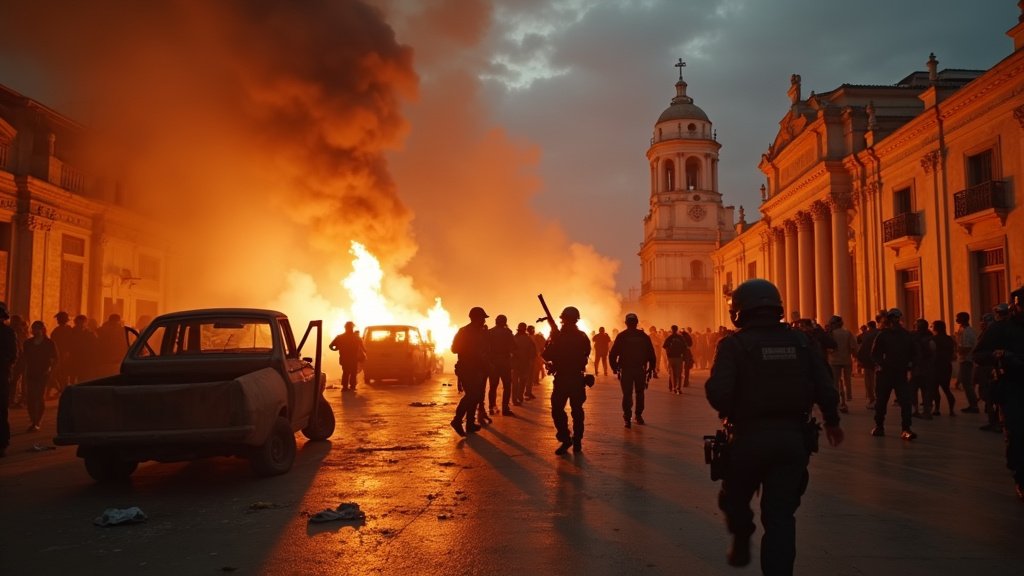
Russia launched an extensive drone and missile assault, a significant component of the Ukraine Christmas Attack. The attack began overnight and continued into daylight hours, impacting thirteen regions across Ukraine. Officials reported widespread damage to homes and crucial energy infrastructure. Power grids suffered significant damage, leading to emergency power outages and leaving many areas in darkness amid freezing temperatures. Poland scrambled fighter jets as its airspace was threatened by the strikes, a response confirmed by the country’s army during this perilous Ukraine Christmas Attack.
In the Zhytomyr region, a child was killed when a Russian drone hit a residential building during the Ukraine Christmas Attack. The wreckage of missiles and drones caused damage to residential buildings and civilian sites, injuring five people in this area. A woman died in the Kyiv region, a victim of a drone strike. Another civilian death occurred in the Khmelnytskyi region, as confirmed by authorities. In Kyiv itself, drone debris fell, striking an apartment building and injuring several people. The Kyiv region also saw damage to residential buildings and reported injuries from the widespread Russian assault on Ukraine.

The southern city of Odesa was also targeted in the Ukraine Christmas Attack. Russia struck energy facilities, and port and transport infrastructure suffered hits. Industrial sites were damaged, as were residential buildings. Local officials reported these effects, with over 120 homes damaged in Odesa. A merchant ship was also struck, demonstrating the broad scope of this destructive Russian assault on Ukraine.
A Child’s Life Lost Amidst Conflict During Ukraine Christmas Attack
The death of the four-year-old child struck a deep chord, a tragic consequence of the Ukraine Christmas Attack. President Zelenskyy shared his profound grief, posting on the Telegram messaging app. “A strike before Christmas,” he stated, noting people want to be with family and seek safety at home. This attack defied those desires, occurring when peace seemed within reach. “Putin cannot accept the fact that we must stop killing,” Zelenskyy added, his words conveying immense pain and frustration. The loss of innocent life remained a stark reality of the Ukraine Christmas Attack, a grim pre-holiday assault.
Ukrainian air defense forces worked tirelessly, managing to intercept many aerial threats during the Ukraine Christmas Attack. More than 580 drones were shot down, and many missiles were also neutralized. However, some projectiles breached defenses, and these successful strikes caused destruction. Information on the full consequences was still being verified. Repair crews began work swiftly, aiming to restore essential services. Energy workers toiled to bring back power as security allowed following the Russian assault on Ukraine.
Peace Talks Undermined by Ukraine Christmas Attack
The attack occurred at a critical diplomatic juncture, directly impacting Ukraine peace talks. Just days prior, US-led peace talks took place in Florida. US envoy Steve Witkoff met with Ukrainian and European representatives. Donald Trump’s son-in-law, Jared Kushner, also participated. Talks were described as “constructive” and “productive.” President Zelenskyy called the progress “quite solid,” indicating draft proposals met nearly 90% of Ukraine’s demands. A 20-point peace plan was a central focus, and security guarantees were also discussed. Ukraine sought membership in the European Union, with European forces providing security backstops, and the US also offering bilateral guarantees. These talks suggested a potential path forward and offered a glimmer of hope for an end to the war, but the Ukraine Christmas Attack cast a shadow.
However, Russian reactions were more reserved. Deputy Foreign Minister Sergei Ryabkov noted “slow progress” and stated Russia sought a deal addressing “root causes,” implying demands beyond a simple ceasefire. Kremlin officials also downplayed the talks’ significance, calling them part of a “working process.” President Vladimir Putin himself had signaled a maximalist stance, reportedly digging in on his demands. Russia had also rejected proposals for a holiday ceasefire, which the US and European Union had pushed for. Russia’s decision to launch a massive strike, the Ukraine Christmas Attack, undermined these efforts and directly contradicted any genuine pursuit of peace. Zelenskyy stated the attack was “virtually in the midst of negotiations.” This juxtaposition highlighted Russia’s perceived strategy, suggesting a deliberate tactic to disrupt diplomacy and break Ukrainian resolve. The strike sent a clear message: Russia’s priorities lay elsewhere, continuing their Russian assault on Ukraine.
Russia’s Strategic Aims and Winter Warfare in the Context of the Ukraine Christmas Attack
Zelenskyy explicitly called the strike a “clear signal of Russian priorities,” highlighting the significance of the Ukraine Christmas Attack. This attack targeted energy infrastructure, marking the ninth major assault on this sector this season. Russia has repeatedly targeted Ukraine’s power grid. This strategy aims to inflict hardship and demoralize the population during winter. Temperatures dropped below freezing, making the power outages especially severe. Residents faced cold homes, and essential services were disrupted. This tactic is a known Russian strategy to break Ukraine’s will to resist. The timing, just before Christmas, intensified the psychological impact, turning a time of celebration into one of fear and hardship during this pre-holiday assault.
Russia’s overall war effort continued. By late 2025, the conflict neared its fourth year. Russia reportedly believed it held the advantage, with Russian morale remaining relatively positive. This was partly due to earlier wavering US support. The election of Donald Trump also boosted Russian confidence, as his administration had shown skepticism towards aid for Ukraine, creating an environment for continued Russian aggression. The military continued tactical gains, though dramatic breakthroughs remained elusive. Russia faced high troop losses, and its war effort was a “growing drag” on its economy. Still, its commitment to the war seemed unwavering, even with the devastating Ukraine Christmas Attack.
Global Reactions and Calls for Action Following the Ukraine Christmas Attack
The news of the strike quickly reverberated globally, focusing on the Ukraine Christmas Attack. International leaders condemned the attack. Estonia’s Foreign Minister Margus Tsahkna called for intensified pressure, stating, “These crimes will not go unanswered.” He criticized Russia for attacking during the holidays and highlighted the deliberate endangerment of civilians. Poland’s response was immediate; its fighter jets patrolled its airspace, showing a readiness to defend NATO territory. The attack also drew condemnation from the UK and EU, who had previously summoned Russian diplomats after other deadly strikes. Ukrainian officials reiterated calls for more air defense systems, which are crucial for protecting communities from further Russian assault on Ukraine. The situation remained volatile, and the world watched this news unfold. Calls for sustained international support continued, and the need for robust security guarantees for Ukraine was paramount.
A Grim Holiday Season Marked by the Ukraine Christmas Attack
As Christmas approached, Ukraine faced renewed devastation, a grim reality brought by the Ukraine Christmas Attack. The strike on December 23, 2025, left a trail of loss. A child’s life was extinguished, and families were plunged into grief. Vital infrastructure was damaged, with power remaining out in several regions. These attacks served as a stark reminder that the war was far from over. Diplomatic efforts faced immense challenges, as Russia’s actions seemed to prioritize destruction and demonstrated a disregard for peace. President Zelenskyy’s plea for increased pressure on Moscow grew louder. The world community faced a moral imperative to respond to this latest act of aggression. The holiday season brought little cheer, but instead the heavy weight of war’s ongoing toll. The news from Ukraine was a somber testament to the enduring conflict, highlighting the urgent need for a lasting resolution. This tragedy cast a long shadow over global holiday news, underscoring the immense suffering caused by the Ukraine Christmas Attack.