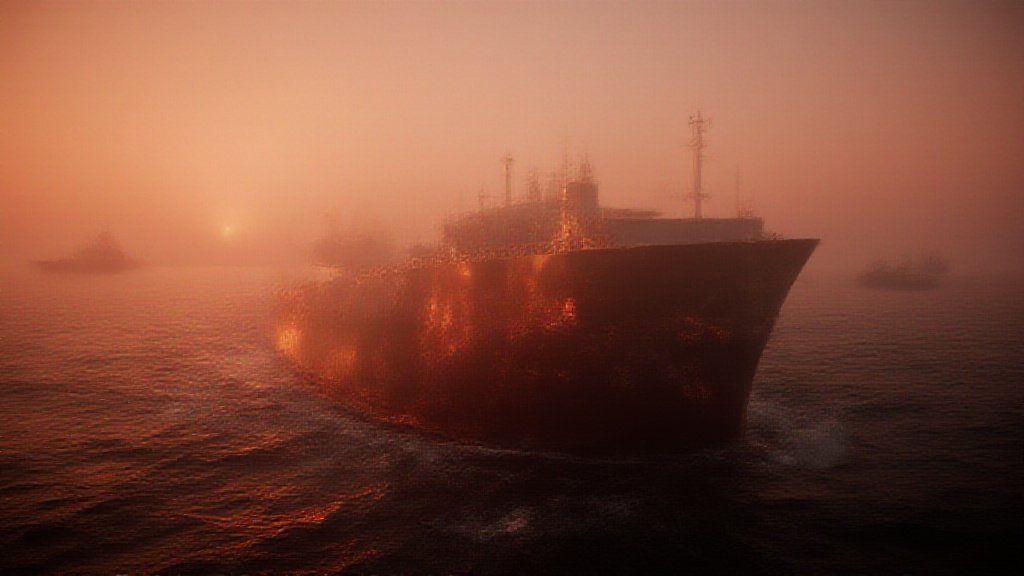
The United States launched a daring raid, a **Maduro Seized Raid** that captured Venezuelan President Nicolás Maduro early on January 3, 2026. His wife, Cilia Flores, was also seized. This military action, codenamed “Operation Absolute Resolve,” marks a significant escalation and has led to extremely high international tensions between the U.S. and Venezuela. The UN Security Council will convene today, January 5, 2026, for an emergency session to address the volatile situation, as global leaders watch closely. The international community faces a complex geopolitical crisis amplified by this dramatic **Maduro Seized Raid**. The Venezuelan President capture has sent shockwaves globally.
The Daring Night Raid: A Maduro Seized Raid Operation
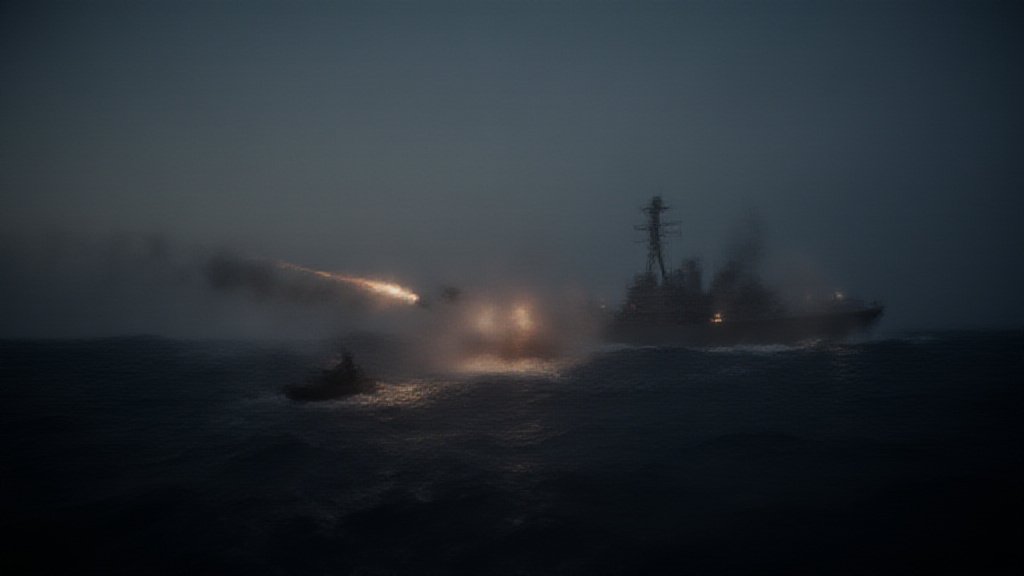
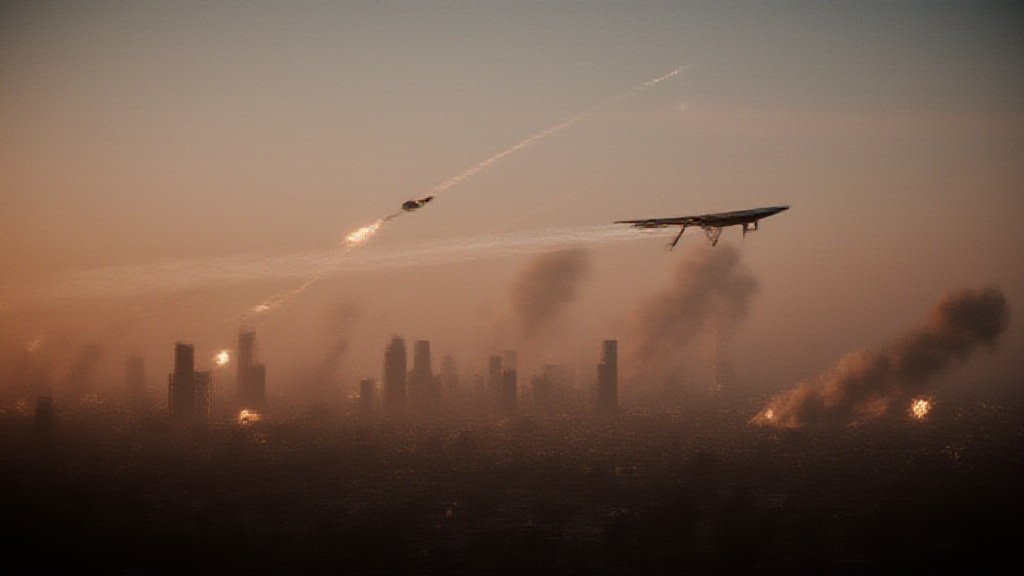
U.S. special forces executed the operation, a swift **Maduro Seized Raid**, in Caracas, Venezuela. More than 150 U.S. aircraft supported the mission. Helicopters landed near Maduro’s compound. The raid lasted less than 30 minutes. Explosions were heard in the capital. The U.S. military reported no American casualties. However, Venezuelan officials stated otherwise. Initial assessments suggest over 80 people died. These included civilians and security forces. Thirty-two Cuban military and intelligence members were also killed. Maduro and Flores were immediately flown to New York after the **Maduro Seized Raid**. They landed at Stewart Air National Guard Base. The Attorney General announced charges, including narcoterrorism and drug trafficking charges. Maduro faces a federal court appearance on January 5 following the **Maduro Seized Raid**.
Washington’s Command and Control Post-Maduro Seized Raid

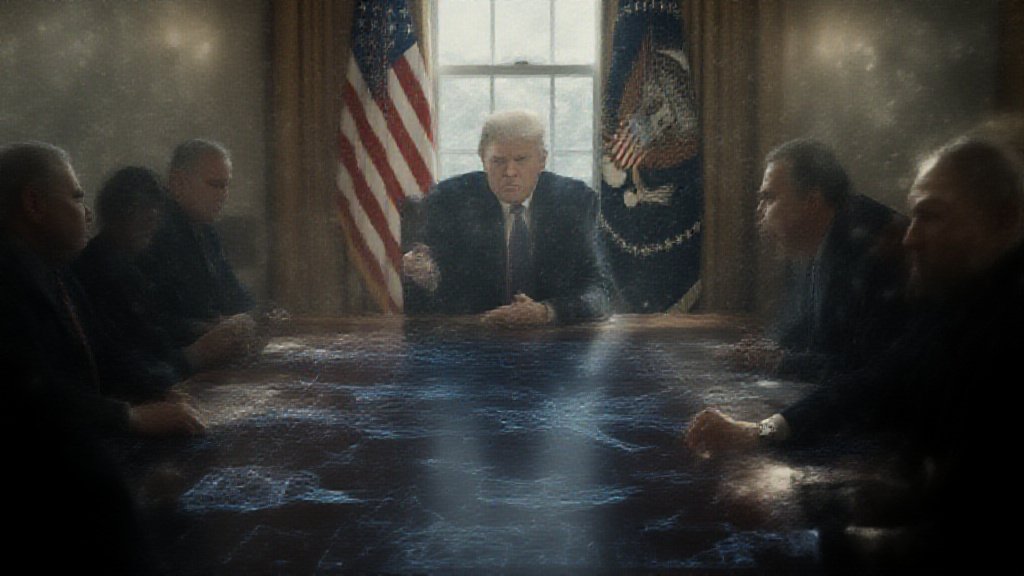
President Donald Trump ordered the operation, a bold **Maduro Seized Raid**. He stated the U.S. would “run the country” temporarily to achieve a “safe, proper and judicious transition.” Trump posted a photo of Maduro on board a U.S. warship, calling the operation “an incredible thing to see.” Secretary of State Marco Rubio offered a nuanced view, suggesting the U.S. would not govern day-to-day but would use leverage, including an existing “oil quarantine.” Rubio emphasized combating drug trafficking, stating the U.S. is at war with drug organizations, not Venezuela. The administration seeks policy changes, including better oil industry management and stopping drug shipments. Top American officials are involved, representing a bold Trump foreign policy shift aimed at restoring American preeminence in the hemisphere following the **Maduro Seized Raid**.
The UN Security Council Convenes Over Maduro Seized Raid
The UN Security Council will hold an emergency meeting following the **Maduro Seized Raid**. Colombia requested the session, with China and Russia supporting the request. Venezuela also appealed for a Council meeting on “Threats to International Peace and Security.” The UN Under-Secretary-General for Political and Peacebuilding Affairs will brief members. Several regional countries will participate, including Argentina, Brazil, Cuba, and Mexico. UN Secretary General Antonio Guterres expressed deep alarm, warning the action could set a “dangerous precedent” and undermine international law. China strongly condemned the use of force, and Russia echoed these concerns. Venezuela accused the U.S. of “brutal, unjustified, and unilateral armed attacks” and asserted its right to self-defense after the **Maduro Seized Raid**.
A Divided Congress on the Maduro Seized Raid
U.S. lawmakers reacted strongly to the **Maduro Seized Raid**. Many Democrats denounced the operation. Senator Andy Kim called it “wildly illegal,” stating it lacked congressional approval. Senator Tim Kaine plans a vote to challenge Trump’s war powers, arguing the action violates U.S. and international law. Top Democrats feel they were misled by briefings from Secretary Rubio, which suggested no regime change plans. House Speaker Mike Johnson largely supported the **Maduro Seized Raid**, and Republicans praised the bold action, citing Maduro’s alleged drug ties. Some lawmakers question the administration’s long-term plan and worry about a prolonged intervention. This developing story highlights a deep partisan divide regarding the **Maduro Seized Raid**.
Global Markets React to Tensions Post-Maduro Seized Raid
Financial markets responded to the news of the **Maduro Seized Raid**. Gold prices surged sharply, reflecting increased safe-haven demand. Gold futures rose significantly, and silver prices also climbed amid heightened geopolitical uncertainty. The South African rand remained steady as investors considered the broader implications. Precious metals often rise during instability; gold saw substantial gains in the previous year, fueled by various factors, with international tensions being a key driver now. Market analysts expect continued volatility following the **Maduro Seized Raid**.
Venezuela’s Interim Leadership After the Maduro Seized Raid
Vice President Delcy Rodríguez is now acting president, appointed by Venezuela’s Supreme Court. She denounced Maduro’s capture as a kidnapping but also offered to collaborate. Rodriguez leads a newly formed commission seeking Maduro’s release and aims for a “balanced and respectful” relationship with the U.S. Trump warned Rodriguez could face a “bigger price” depending on her cooperation. Rodriguez is a political veteran, having served as vice president and oil minister, with ties to the oil industry making her a potential partner for U.S. interests. The situation in Venezuela remains fluid. Many citizens seek change, while opposition leaders feel sidelined, leaving the country facing an uncertain future after the **Maduro Seized Raid**.
Geopolitical Ripples and Future Outlook Post-Maduro Seized Raid
Cuba lost 32 citizens in the operation, including military and intelligence personnel, and declared two days of mourning. China and Russia condemned the U.S. action, viewing it as a violation of international law. Spain, Brazil, and Mexico issued a joint statement, calling the U.S. actions “extremely dangerous” and noting the concerning precedent set by this intervention. Trump suggested further military action could occur, and also mentioned potential action against Colombia and Mexico, linked to drug trafficking concerns. The top story globally involves these tensions and the U.S. aim to control Venezuela’s oil. The long-term success of the **Maduro Seized Raid** remains to be seen, depending on regional stability and internal Venezuelan dynamics. The American military presence in the region continues, reflecting the ongoing strategic pursuit of hemispheric dominance in the wake of the **Maduro Seized Raid**. The world watches this unfolding American story, with the U.S. military raid now a central focus.