WASHINGTON D.C. – The United States federal government has entered its sixth day of a shutdown, with no clear signs of a resolution emerging from the deepening impasse between Republican and Democratic lawmakers. The funding lapse has not only halted numerous government operations but has also brought to the forefront unprecedented threats of permanent job cuts for federal workers, a tactic rarely, if ever, employed during such standoffs.
Legislative Stalemate Continues

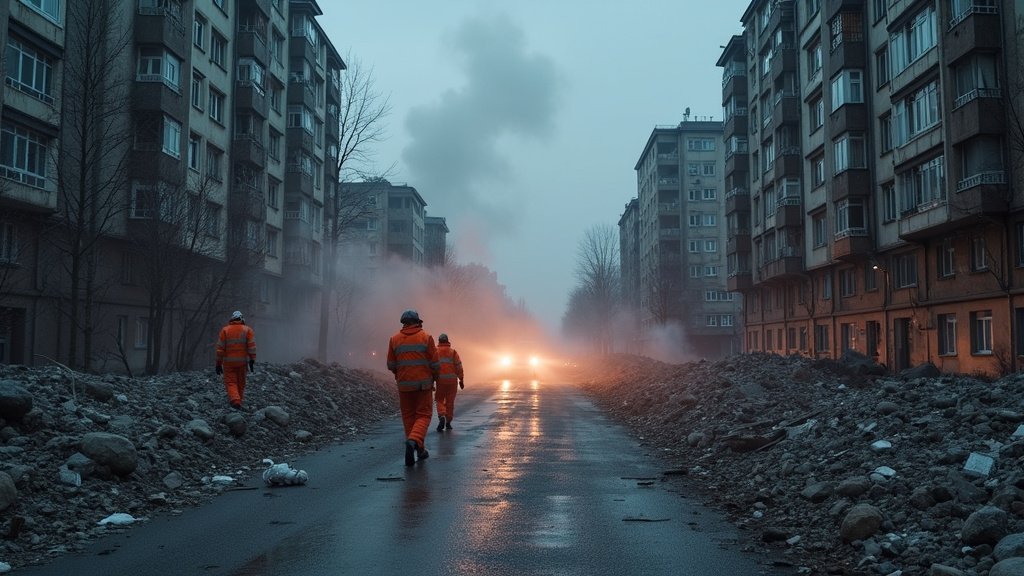

The core of the crisis lies in a failure by Congress to agree on appropriations bills to fund government operations beyond the start of the fiscal year on October 1st. Republican leaders are urging Democrats to vote on spending bills passed by the House of Representatives, while Democratic leaders are pushing for a “clean continuing resolution” to allow for further negotiations on broader policy issues. President Donald Trump has been vocal, blaming Democrats for the shutdown and the ensuing economic disruptions, including job losses. Senate Republicans are holding firm, with leaders like John Thune suggesting Democrats will have another chance to vote on Republican-backed measures.
Layoffs Loom as “Unprecedented Tactic”
Adding a stark new dimension to this shutdown is the Trump administration’s explicit threat to implement widespread layoffs of federal workers, rather than the traditional practice of temporary furloughs. President Trump has stated that these layoffs are “taking place right now” and views the shutdown as an “unprecedented opportunity” to wield greater power over the federal budget and potentially enact permanent staffing reductions, particularly in agencies he deems “Democrat agencies” or a “political scam”. White House officials have directed cabinet members to develop layoff plans, aiming to save money and exert control over the workforce. This approach has drawn sharp criticism from labor unions and Democratic lawmakers, who argue that such actions are illegal and designed to punish federal employees. The American Federation of Government Employees and other unions have already filed lawsuits seeking to block these potential permanent firings, asserting that the administration lacks the legal authority to carry them out during a shutdown.
Impact on Federal Workforce and Services
Approximately 750,000 federal employees could face furlough or be required to work without pay as a result of the shutdown, with many living paycheck-to-paycheck and unable to sustain prolonged periods without income. While federal workers are typically guaranteed back pay once the government reopens, the threat of permanent job elimination introduces a level of anxiety not seen in previous shutdowns. Essential services like air traffic control, law enforcement, and national security operations are expected to continue, but workers in these fields may also experience pay delays. Non-essential functions across various agencies have ceased, impacting everything from national park access to routine government services.
Governor Newsom’s Legal Fight Over National Guard Deployment
In a related but distinct development, California Governor Gavin Newsom has announced his intention to sue the Trump administration over its decision to federalize and deploy 300 California National Guard troops to Portland, Oregon. This move followed a federal judge’s block on the Trump administration’s attempt to federalize Oregon’s National Guard. Newsom has characterized the action as a “breathtaking abuse of the law and power” and an “attack on the rule of law itself,” arguing that the President is using the military as a “political weapon”. A federal judge has since issued a temporary restraining order blocking the deployment of any state’s National Guard troops to Oregon, a decision that California and Oregon officials celebrated as a victory for American democracy and the rule of law.
Background and Economic Concerns
Government shutdowns, triggered when Congress fails to pass funding legislation by the deadline, have become a recurring feature of American politics, often stemming from disputes over spending levels and policy priorities. The 2018-2019 shutdown, which lasted 35 days and was related to border wall funding, remains the longest in U.S. history. While past shutdowns have generally had a limited, short-term impact on the American economy – often estimated in the billions of dollars – the current situation’s unique elements, particularly the threat of permanent job cuts, raise concerns about longer-term consequences. Economists estimate that prolonged shutdowns can shave off billions from GDP growth, a drag that may not be fully recovered.
Conclusion: An Uncertain Path Forward
As the nation grapples with this escalating shutdown, the rhetoric from both sides remains sharp, with little indication of a breakthrough. The standoff is impacting federal workers, government services, and raising serious questions about the use of presidential power. The unfolding story of this shutdown, marked by threats of job cuts and legal challenges over military deployments, underscores the deep divisions in Washington and the uncertain future for countless American families who rely on government stability and services. The duration and ultimate resolution of this crisis remain critically in doubt.