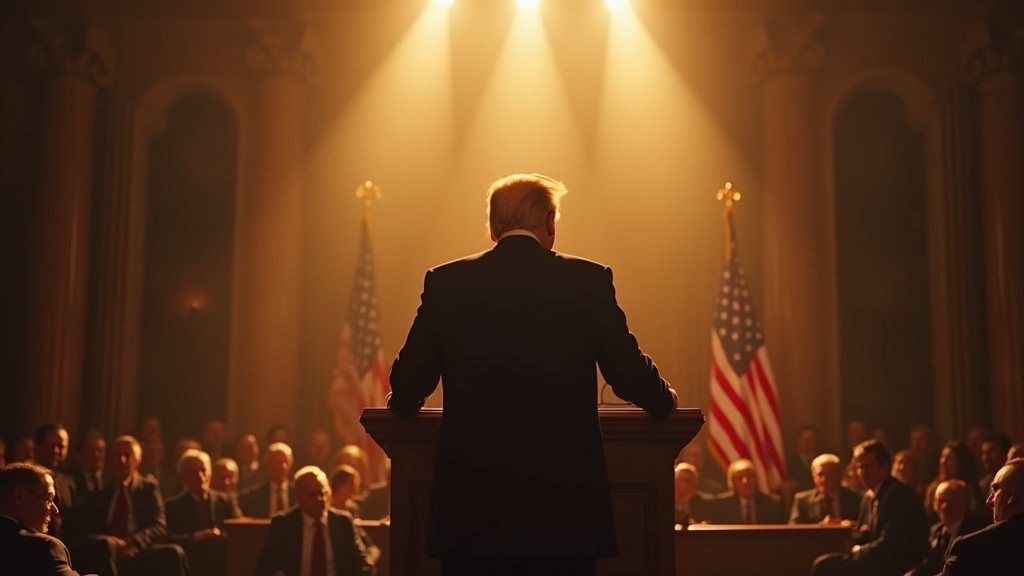
Washington D.C. – In a significant statement on the ongoing conflict in the Middle East, U.S. President Donald Trump has declared that any potential reoccupation of the Gaza Strip by Israel is a decision solely for Israel to make. This assertion from the American leader comes as reports intensify regarding Israeli Prime Minister Netanyahu’s alleged contemplation of a full Israeli occupation of the Gaza Strip.
International Watch on Regional Developments


The international community is closely monitoring the unfolding situation in the Gaza Strip. The potential for a renewed Israeli presence in Gaza carries substantial geopolitical implications, drawing attention from global leaders and organizations. President Trump’s remarks, placing the decision-making authority squarely with the Israeli government, signal a particular stance from the United States on this highly sensitive issue. This development is being viewed within the context of broader American politics and the ongoing diplomatic efforts to achieve stability in the region.
Context of Prime Ministerial Plans
This statement from President Trump arrives amidst persistent reports suggesting that Israeli Prime Minister Netanyahu is considering options that include the complete reoccupation of Gaza. While details surrounding these potential plans remain fluid and subject to speculation, the perceived intentions have amplified concerns among various international actors. The U.S. President’s direct comment on the matter offers a unique perspective from a key global power, shaping the narrative around potential future actions in Gaza. The news is a significant point of discussion in current American politics.
Implications for Regional Stability
The future of Gaza’s administration and security has been a focal point of international discussion since the escalation of hostilities. The prospect of reoccupation, as suggested by various reports concerning Prime Minister Netanyahu’s deliberations, carries significant weight for regional stability. President Trump’s deferral of the decision to Israel highlights the complex diplomatic landscape, where sovereign rights and international concerns often intersect. This particular piece of news from the American political sphere is likely to influence ongoing debates and diplomatic engagements concerning the conflict. It underscores the intricate nature of Middle Eastern politics and the challenges in navigating paths toward lasting peace.
U.S. Position on a Sensitive Matter
President Trump’s clear articulation of the U.S. position — that the decision regarding Gaza’s occupation rests with Israel — provides a definitive, albeit hands-off, approach from the American administration. This stance allows Israel the autonomy to determine its security measures and long-term strategy in the Gaza Strip. As the international community continues to scrutinize the situation, the U.S. President’s comments serve as a critical reference point in understanding the current political dynamics. The news has quickly become a talking point within American politics, reflecting the nation’s approach to critical foreign policy issues.
Looking Ahead
The coming days and weeks will be crucial in observing how these declarations translate into actionable policy and what impact they have on the ground in Gaza. The world watches to see how Israel, empowered by the U.S. President’s statement, will proceed, and how these decisions will be received by the international community and regional stakeholders. This ongoing situation remains a central focus of global news and international relations.