A federal judge issued a key ruling today, blocking the National Guard deployment in Los Angeles. This National Guard deployment order came from President Trump, marking a significant setback for his administration. The USA faces new national legal challenges stemming from this National Guard deployment controversy.
Judge Halts National Guard Deployment Order
A federal judge ruled on December 10, 2025. U.S. District Judge Charles Breyer made the decision. He ordered National Guard troops returned to California, with Governor Gavin Newsom set to regain control. The Trump administration had sought federal control over the National Guard deployment for immigration enforcement purposes. Judge Breyer rejected the administration’s core argument, finding no evidence of rebellion, which impacts national policy regarding National Guard deployment.
Administration’s Claim Rejected
The administration argued protests justified federal command, claiming a rebellion was occurring. Judge Breyer disagreed strongly, citing a lack of proof. The judge noted the US system has checks and balances, stating the administration sought a blank check. This is a significant blow, limiting executive power assertions regarding National Guard deployment.
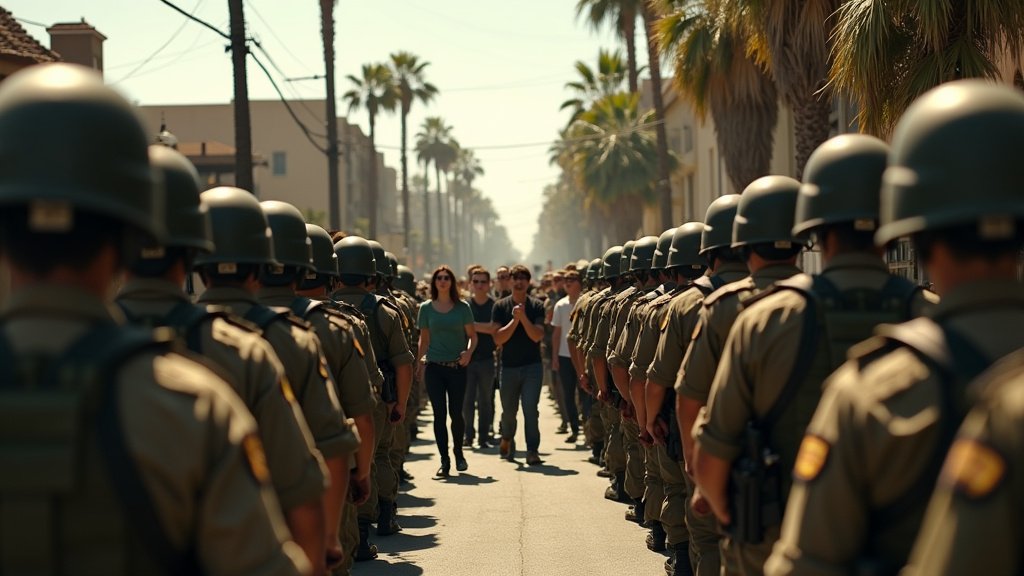
However, the National Guard deployment faced significant opposition. Governor Newsom sued after the initial order. The troops were initially sent in June 2025. Thousands were deployed then. By late October, about 300 remained federalized. The judge’s order takes effect December 15, allowing time for an appeal on the National Guard deployment.
Context of Immigration Policy and National Guard Deployment
This news comes amid immigration concerns. US authorities acknowledged child detentions; hundreds of children were held too long, some staying over five months, exceeding the 20-day limit. Facilities were not licensed for kids, and advocates report injuries and poor care. One child had a broken foot, and delayed treatment occurred for food poisoning. These reports alarm many and highlight systemic issues, further complicating the context for any National Guard deployment.
Meanwhile, the administration faces continued scrutiny. Legal advocates shared alarming findings detailing issues with food and medical care. Children also lacked sufficient legal counsel. These problems persist in federal facilities, a critical news item for the USA and relevant to discussions surrounding National Guard deployment.
New National Security Vision and Federal Judge Ruling
New national security news also emerged. The Trump administration released its 2025 strategy, signaling a foreign policy shift. Commercial ties are now key, strategic stability with Russia is sought, and a strong US hand in Latin America is planned. Europe is criticized, and China’s military role is downplayed. This strategy emphasizes “America First,” prioritizing national interests and favoring pragmatic arrangements abroad. Democratic reforms are not a focus; the NSS focuses on prosperity and security, which are often cited as reasons for National Guard deployment.
Furthermore, the strategy aims to avoid military commitments, seeking to bolster US strength through economic and diplomatic power. This vision guides future US actions and represents a major policy change, distinct from the immediate issues surrounding the federal judge ruling on National Guard deployment.
Implications and Future Steps for National Guard Deployment
Judge Breyer’s ruling is a notable win, limiting federal overreach claims and reinforcing state authority over the Guard. The administration may appeal the decision, continuing this legal fight. The court decision affects national precedent and highlights tensions between branches, which is vital for understanding US governance and the parameters of National Guard deployment.
In conclusion, the court’s decision is significant, halting a controversial deployment. It occurs alongside major policy shifts. Immigration issues remain critical, and the new national security strategy redefines US foreign policy. These events shape the national landscape, with the USA navigating complex challenges related to executive power, state authority, and the proper use of National Guard deployment.