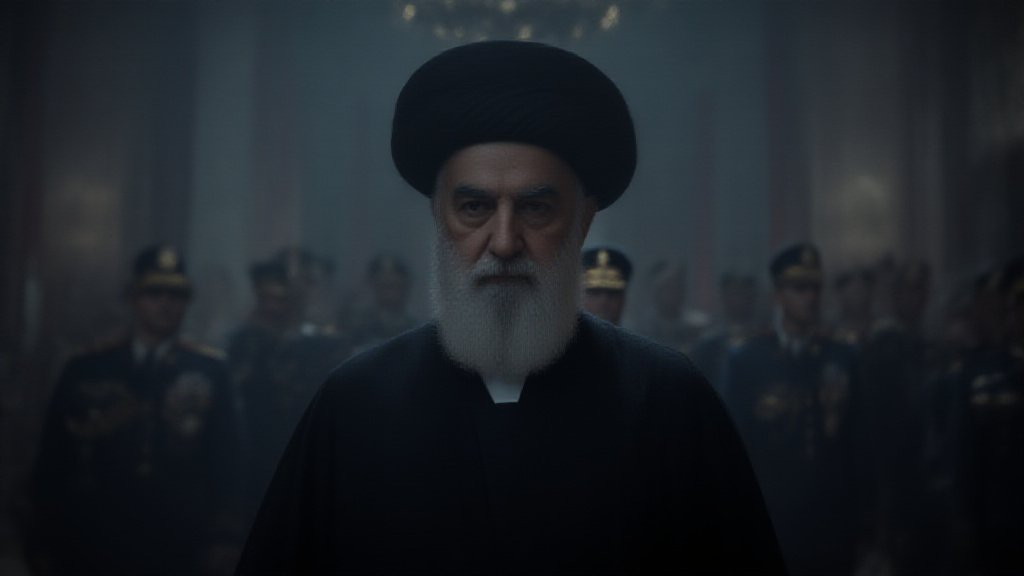
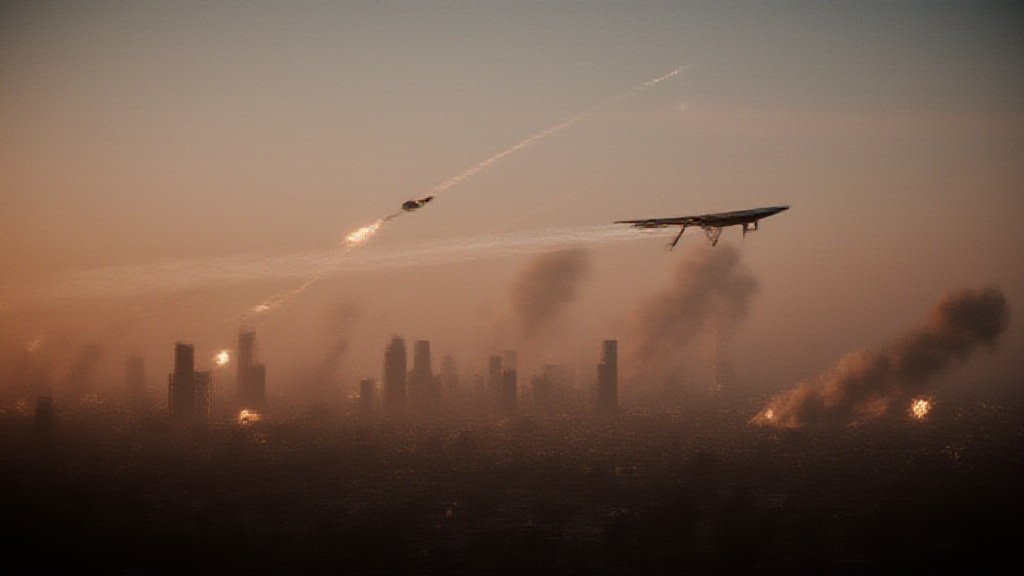
In a stunning development, the United States military has successfully executed a mission where Maduro captured US forces, apprehending Venezuelan President Nicolás Maduro. This significant U.S. military action in Latin America was announced by President Donald Trump and has sent shockwaves globally. The extraction occurred overnight in Caracas, Venezuela’s capital, marking a pivotal moment comparable to the 1989 invasion of Panama. Maduro and his wife, Cilia Flores, were taken aboard the USS Iwo Jima and are now in U.S. custody, facing federal charges that include narco-terrorism and drug trafficking, as detailed in a 2020 indictment. The implications of Maduro captured are vast, potentially reshaping regional dynamics and highlighting the complexities of US intervention.
Operation Absolute Resolve: The Mission to Ensure Maduro Captured

The mission, codenamed “Operation Absolute Resolve”, leveraged extensive U.S. airpower with over 150 aircraft, including bombers and fighter jets, alongside crucial intelligence and reconnaissance aircraft. Helicopters from the Army’s 160th Special Operations Aviation Regiment were instrumental. U.S. Space Command and Cyber Command, alongside the CIA and NSA, contributed to the complex and risky raid. The primary aim was to disable Venezuelan air defense systems and ensure safe passage for helicopters, with reports indicating that electricity in Caracas was also cut during the operation to facilitate the capture of Maduro. This operation to achieve Maduro captured highlights sophisticated military planning and the commitment to bringing the Venezuelan President to justice.
Background and Context Leading to Maduro Captured
This monumental event follows months of escalating U.S. pressure on Maduro. The United States has long accused the Venezuelan President of widespread drug trafficking and election rigging. The Trump administration had previously placed a $50 million bounty on Maduro’s head, and earlier strikes targeted alleged drug-carrying boats in the Caribbean, which resulted in over 100 fatalities and raised questions about international law. The successful execution of Operation Absolute Resolve to get Maduro captured marks a new phase in the pursuit of justice for narco-terrorism charges.
International and Political Reactions to Maduro Captured
The news that Maduro captured U.S. forces has elicited a spectrum of global reactions. The United Nations expressed alarm, citing significant concerns about international law. Russia and China voiced strong disapproval, while many South American leaders were angered by the intervention. Conversely, some leaders praised the decisive action. U.S. lawmakers presented mixed responses, with some criticizing the operation as a violation of law and others offering their support. The unprecedented nature of Maduro captured has left many observers stunned, particularly in light of the potential impact on the Venezuela oil industry.
Director of National Intelligence Tulsi Gabbard, an advocate against “regime change wars”, had not publicly commented on the operation as of Saturday night. Her past advocacy urging the U.S. to “stay out of Venezuela” made her silence on the capture of Maduro particularly surprising to some within the intelligence community, especially given the ongoing efforts to secure Maduro captured.
Implications for Venezuela and the USA Following Maduro Captured
President Trump stated that the U.S. would temporarily “run the country” until a “safe, proper and judicious transition” could occur. He also indicated potential U.S. investment in Venezuela’s crucial oil industry. However, significant concerns persist regarding the legality of the operation and potential violations of international law. The U.S. military’s unprecedented role and the prospect of occupation have raised alarms. The capture of Maduro creates a significant power vacuum, leading to profound questions about Venezuela’s future leadership and stability. The USA now confronts the complex challenges of managing this transition, which could also significantly affect international relations and signals a more interventionist U.S. foreign policy approach after Maduro captured.
The Road Ahead After Maduro Captured
Maduro and his wife are scheduled for criminal proceedings in New York, with their court appearance set for Monday. The U.S. administration has clarified that it does not intend to govern Venezuela directly but plans to enforce an “oil quarantine” to influence policy. The situation remains highly fluid, and the long-term consequences of the U.S. capturing Maduro are still unfolding, with the national news continuing to develop rapidly following the successful Maduro captured operation.