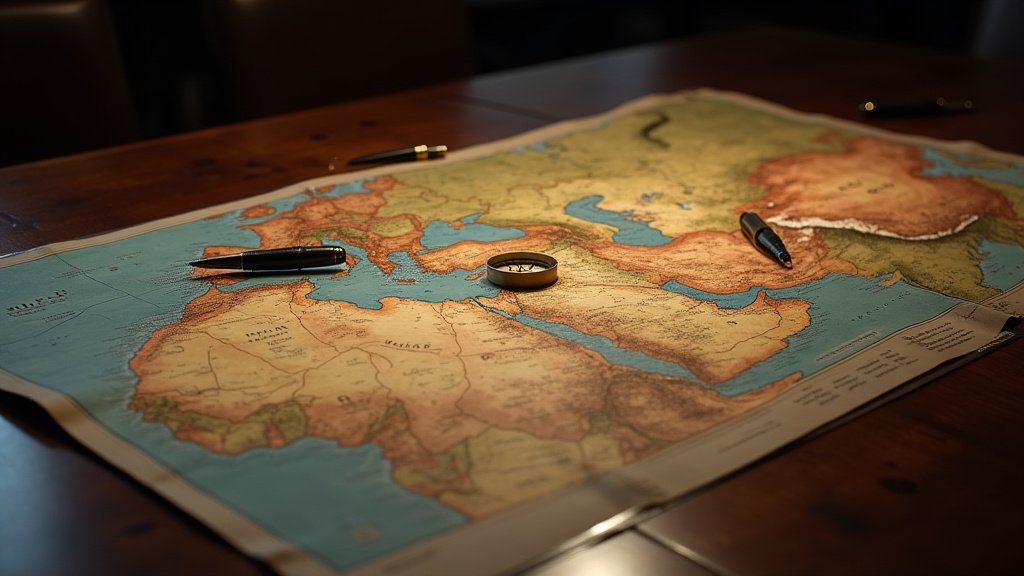
President Donald Trump has officially suspended military operations against Iran, finalizing a tentative two-week ceasefire agreement just hours before his deadline to launch devastating strikes was set to expire. The high-stakes diplomatic breakthrough, brokered following urgent mediation by Pakistan, forces a critical pause in the conflict that has roiled global energy markets and threatened regional stability for weeks. While the pause offers a reprieve from the brink of total war, the deal remains fragile, with significant friction persisting regarding the status of the Strait of Hormuz and the exclusion of the ongoing conflict in Lebanon.
Key Highlights
- Deadline Averted: President Trump suspended threatened military strikes on Iranian infrastructure minutes before a self-imposed 8:00 PM ET deadline, opting for a 14-day window of diplomacy.
- The Hormuz Condition: The ceasefire is explicitly contingent on the immediate, safe reopening of the Strait of Hormuz to international shipping, a move Tehran has tentatively signaled it will allow.
- Mediation Triumph: Pakistani Prime Minister Shehbaz Sharif emerged as the primary diplomatic broker, securing a venue in Islamabad for delegations to meet beginning Friday.
- Lebanon Exclusion: Israeli Prime Minister Benjamin Netanyahu’s office clarified that the ceasefire agreement is limited to the Iran-U.S. theater and does not encompass Israel’s military campaign against Hezbollah in Lebanon.
- Market Stabilization: Global energy markets responded sharply to the news, with oil futures tumbling 13% and S&P 500 futures signaling a robust recovery following weeks of geopolitical volatility.
The Diplomatic Pivot: Inside the 14-Day De-Escalation
The announcement of the two-week ceasefire marks a volatile shift in the trajectory of the Middle East conflict. For weeks, the rhetoric between Washington and Tehran had escalated toward a catastrophic threshold, with President Trump repeatedly warning of “devastating” strikes on Iranian energy and civil infrastructure. The sudden pivot to diplomacy, facilitated in the early hours of Wednesday morning, suggests that behind-the-scenes back-channel negotiations reached a tipping point that neither side was willing to ignore.
The Anatomy of the 10-Point Proposal
At the heart of the agreement lies a 10-point peace proposal submitted by Iran. While the full text of the proposal remains classified, sources indicate it outlines a framework for de-escalation that addresses nuclear enrichment, regional proxy activity, and the reopening of the Strait of Hormuz. Trump, in a post on Truth Social, described the proposal as a “workable basis” for negotiations, signaling a departure from the administration’s previous insistence on unconditional capitulation. The shift is tactical; by moving the dialogue to Islamabad, the White House has effectively bought two weeks of breathing room to test Tehran’s sincerity without sacrificing its military readiness.
The Strait of Hormuz: A Litmus Test for Peace



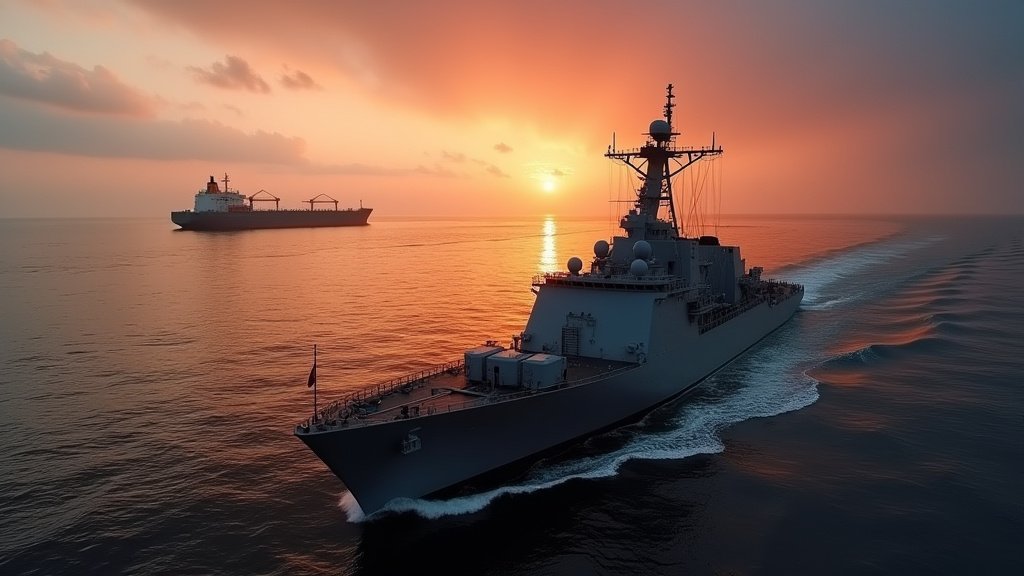
The reopening of the Strait of Hormuz is the single most critical variable in this ceasefire. As one of the world’s most important energy chokepoints, the closure of the strait had effectively paralyzed global shipping lanes and sent crude oil prices to historic highs. By making the ceasefire explicitly contingent on the “complete, immediate, and safe opening” of the strait, the U.S. has placed the burden of proof directly on the Iranian military. If Tehran manages the waterway effectively over the next 14 days, it could pave the way for a more permanent diplomatic solution. If, however, the waterway remains obstructed or subject to Iranian military interference, U.S. officials have made it clear that the cessation of strikes will be revoked immediately.
Netanyahu’s Caveat: The Lebanon Complication
While the White House and Tehran appear aligned on the two-week pause, the Israeli government has introduced a significant complication. Prime Minister Benjamin Netanyahu’s office was quick to issue a statement clarifying that the ceasefire does not cover the conflict in Lebanon. This leaves Israel free to continue its military operations against Hezbollah, an Iranian-backed militia that has been heavily involved in the fighting. This bifurcated approach to the ceasefire—peace with Iran, but continued war in Lebanon—presents a complex geopolitical puzzle. It acknowledges the specific U.S. interest in stabilizing the Persian Gulf while leaving Israel’s security concerns regarding its northern border entirely outside the scope of the new deal. This distinction will be a major focal point in the upcoming talks in Islamabad, as Tehran will likely push for a comprehensive ceasefire that includes its proxies.
Global Economic and Political Fallout
The volatility of the past month has had a profound impact on the global economy, with equity markets swinging wildly based on every headline from the region. The immediate 13% drop in oil prices following the ceasefire announcement reflects the profound anxiety that had been priced into the market. Investors, however, remain cautious. The ‘Golden Age’ of Middle Eastern peace that President Trump alluded to in his social media posts is a high-stakes bet. The next 14 days will be defined by whether the negotiating teams in Islamabad can translate a temporary pause into a durable agreement. If the talks fail, the return of market volatility is almost guaranteed, as the underlying strategic tension between the United States and Iran remains unresolved.
FAQ: People Also Ask
1. Does the ceasefire apply to all military actions in the Middle East?
No. While the U.S. has halted offensive operations against Iran, Israeli officials have explicitly stated that the ceasefire does not apply to their military operations against Hezbollah in Lebanon.
2. What happens if Iran refuses to open the Strait of Hormuz?
The ceasefire is conditional. President Trump has stated that the suspension of military strikes is dependent on the safe and immediate reopening of the Strait. Failure to comply would likely result in the immediate resumption of U.S. military operations.
3. Why was Pakistan chosen as the location for the negotiations?
Pakistan has maintained long-standing diplomatic channels with both the United States and Iran. Prime Minister Shehbaz Sharif has acted as a neutral intermediary, using his administration’s position to broker the initial two-week truce and provide a venue for further diplomatic discussion.
4. What are the key entities involved in this ceasefire?
The primary entities are the United States (led by Donald Trump), the Islamic Republic of Iran, the State of Israel (led by Benjamin Netanyahu), and the Islamic Republic of Pakistan (led by Shehbaz Sharif). The conflict also heavily involves the proxy group Hezbollah in Lebanon and the strategic waterway of the Strait of Hormuz.