The Trump administration targeted National Park Service signs. It ordered removals and edits to park exhibits. The goal was to combat “ideological indoctrination.” This directive aimed to sanitize American history. It focused on controversial topics.
The ‘Restoring Truth’ Directive
President Trump issued an executive order in March 2025. It was titled “Restoring Truth and Sanity to American History.” The order required federal agencies to review historical materials. It sought to remove content deemed “partisan” or “disparaging.” Secretary of the Interior Doug Burgum followed up with his own order. This directive aimed to highlight American progress. It pushed back against narratives seen as negative. The administration wanted parks to focus on “beauty and grandeur.”
Content Under Scrutiny

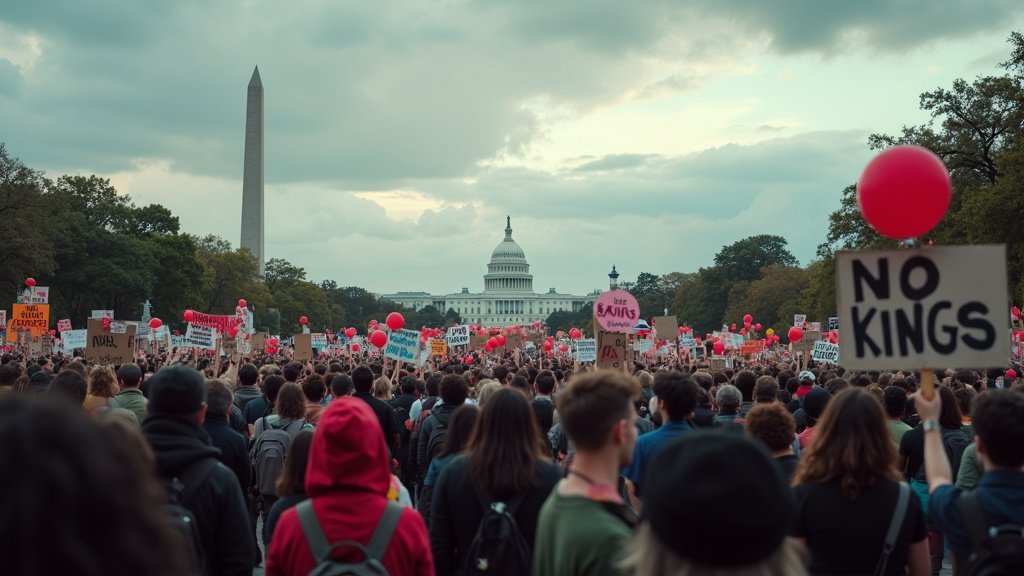

Many subjects came under intense review. Signs about slavery were targeted. Exhibits detailing climate change impacts faced removal. Information on Native American history also came under fire. This included the mistreatment of Indigenous peoples. The administration also flagged content on the Civil Rights Movement. LGBTQ+ history and Japanese American incarceration were also affected.
Parks Affected
Numerous parks saw signs flagged for removal. Glacier National Park lost displays on climate change’s impact on glaciers. Grand Canyon National Park had signs about Native American displacement removed. Independence National Historical Park in Philadelphia saw exhibits on slavery taken down. Big Bend, Grand Teton, and Acadia National Parks also faced removals.
Park Staff Flagged Factual Data
National Park Service staff were tasked with reviewing materials. Many acknowledged that the flagged content was factually accurate. Reports indicated that some staff flagged exhibits out of caution. They noted materials were historically correct. Yet, these displays were seen as potentially “disparaging” to some. This created a disconnect between facts and the administration’s directive.
Criticism Mounts Amidst Lawsuits
Conservation groups strongly criticized the actions. They called it censorship. The National Parks Conservation Association (NPCA) led the charge. They filed a lawsuit against the Interior Department. Other organizations joined the legal fight. The Sierra Club also filed suit. They argued the removals erased important American stories. Historians warned against sanitizing the past. Many Americans opposed attempts to rewrite history. A poll found over 78% agreed parks should keep factual materials.
Legal Battles and Outcomes
The lawsuits aimed to halt the censorship. They argued the executive order violated federal law. Some court rulings favored transparency. A judge ordered the restoration of slavery exhibits in Philadelphia. This marked a victory for historical accuracy. However, the broader impact continued.
Silencing Science and History
The administration’s actions were seen as a departure from the NPS mission. Parks are meant to educate visitors. They tell the full, complex story of the nation. Removing factual scientific data and historical context weakened this mission. It limited visitors’ understanding of these places. It prevented learning from difficult truths.
A Disturbing Trend
The policy created a disturbing trend. It prioritized a selective version of history. This narrative downplayed struggles and injustices. It ignored vital scientific information. These efforts to erase history and censor science drew widespread condemnation. The push to control park narratives has had lasting consequences. It left many concerned about the future of historical interpretation. The american landscape holds countless stories. These stories deserve to be told. The removal of signs threatened this vital aspect of education. It prevented a complete understanding of the american experience.