Oil prices surged dramatically on Monday. Brent crude broke past $105 per barrel. Prices briefly touched $108 and higher. This major development follows escalating conflict. It centers on the Middle East. Geopolitical risks are at a fever pitch. The situation impacts global business news.
Iran’s Leadership Change Fuels Instability




Markets reacted sharply to Iran’s new leader. Mojtaba Khamenei was named supreme leader. This followed his father’s death. Ayatollah Ali Khamenei died February 28. He was killed in a US-Israeli airstrike. The leadership transition signals continuity. It suggests a hardline stance will remain. This adds uncertainty to regional security. Investors are pricing in continued confrontation. This heightens concerns for global stability.
Strait of Hormuz Disruption Hits Supply
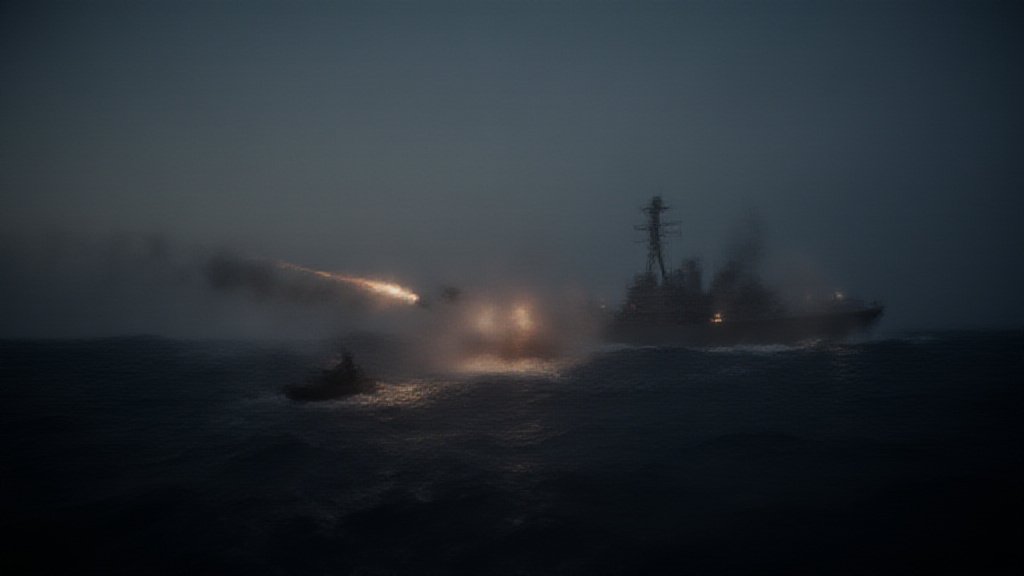
The Strait of Hormuz is critical. It is a vital global oil transit route. Approximately 20 million barrels pass daily. This represents about 20% of global supply. However, transit is now severely disrupted. It is effectively closed due to the conflict. Tanker traffic has halted. War-risk insurance costs are soaring. Major shipping firms have suspended Gulf transits. This chokepoint’s vulnerability is extreme. Its closure creates significant supply fears.
Oil Production Cuts and Storage Concerns
Major Middle East oil producers are acting. Iraq, Kuwait, and the UAE are cutting output. Their storage facilities are nearing capacity. Exports via Hormuz are blocked. Iraq’s production dropped significantly. Output fell by an estimated 1.4-1.5 million barrels daily. Storage utilization hit 90% quickly. Some producers face forced shut-ins. This further tightens global supply. Market psychology amplifies these fears. Fear alone drives prices higher.
Economic Impacts and Inflationary Fears
The price surge has broad consequences. Businesses face higher transport costs. Profit margins are shrinking. Consumers see higher fuel prices. Retail costs are also increasing. This could reignite inflation. Asian stock markets have fallen sharply. Global growth faces significant risks. Some analysts warn of stagflation. Central banks may reconsider policy. The economic outlook is uncertain.
Geopolitical Risk Premium Drives Markets
Oil prices are highly sensitive. Geopolitical tensions add a risk premium. This premium reflects future supply fears. It often exceeds actual supply loss. The current conflict is a prime example. Fear and uncertainty dominate trading. This dynamic is well-established. It shows the region’s crucial role. Stability in the Middle East is paramount. Any disruption has global reach.
Outlook Remains Tense
The conflict shows no sign of abating. Shipping disruptions persist. Production cuts may expand. Oil prices remain volatile. Investors watch for de-escalation. However, prolonged tensions seem likely. This means continued upward pressure. The global economy watches closely. The business world faces significant challenges. This major news event continues to unfold.