A powerful and relentless coastal storm is battering the U.S. East Coast this Thanksgiving, forcing New Jersey officials to declare a state of emergency as severe tidal flooding, high-velocity winds, and torrential precipitation threaten infrastructure and public safety. The storm, which intensified just as millions of Americans embarked on holiday travel, has crippled transit networks and cast a shadow of uncertainty over the high-stakes Black Friday shopping period.
Key Highlights
- State of Emergency Declared: Governor Phil Murphy’s office has activated the New Jersey State Emergency Operations Center to streamline resource allocation and disaster response efforts.
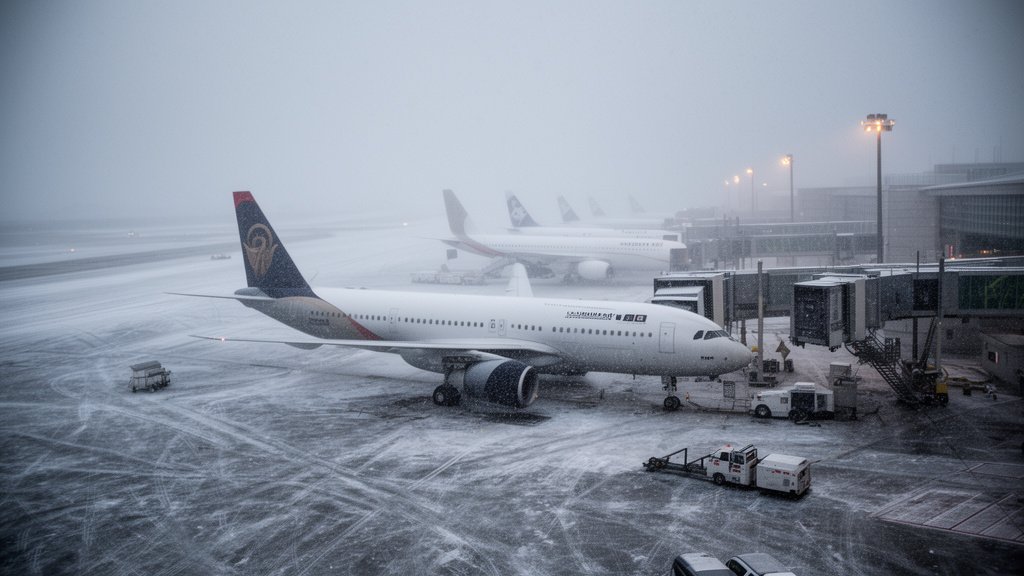
- Travel Disruption: Major transport hubs, including Newark Liberty International Airport, are reporting significant delays and cancellations due to the combination of high winds and limited visibility.
- Severe Tidal Flooding: Coastal communities along the Jersey Shore are battling dangerous storm surges during high tide cycles, resulting in road closures and mandatory detours in low-lying areas.
- Economic Impact: The storm coincides with the start of the holiday shopping season, complicating logistics for retailers and creating potential friction for consumers hoping to reach stores for early Black Friday deals.
The Crisis on the Coast
The meteorological event currently impacting New Jersey is a sophisticated and dangerous coastal low-pressure system. As it tracks along the Atlantic seaboard, it has tapped into tropical moisture, resulting in precipitation totals that have already saturated storm drains and overwhelmed local infrastructure. Unlike typical seasonal weather, this storm’s proximity to the coastline has maximized the potential for storm surge, particularly affecting the barrier islands and communities bordering the Atlantic Ocean and the back bays.
Official Response and Public Safety


With the state of emergency in effect, the New Jersey Office of Emergency Management (NJOEM) is coordinating closely with local municipalities and the New Jersey State Police. The declaration allows the state to bypass typical procurement processes to acquire resources and deploy emergency personnel faster. Residents in flood-prone areas have been urged to avoid unnecessary travel, particularly near coastal roadways where tidal flooding has turned streets into impassable waterways. Public safety officials are specifically highlighting the danger of driving through standing water, which often conceals hazards such as washed-out pavement or debris.
Transportation Infrastructure Under Strain
For a state that serves as a critical corridor for Northeast travel, the impact on transit has been profound. NJ Transit has reported service suspensions on several lines due to downed trees and debris on the tracks, exacerbated by saturated soil conditions. At Newark Liberty International Airport, the Federal Aviation Administration (FAA) has implemented ground stops at various points throughout the day to manage the backlog of flights affected by the high winds. Interstate travel has been equally impacted, with the New Jersey Turnpike and Garden State Parkway seeing reduced speed limits and increased congestion as drivers contend with blinding spray and hydroplaning risks.
The Economic Tension: Storms vs. Black Friday
The timing of this severe weather event creates a unique conflict for New Jersey’s economy. The period between Thanksgiving and Black Friday represents the single most important window for the state’s retail sector. With major shopping centers and retail outlets preparing for record-breaking foot traffic, the storm acts as a significant deterrent. Logistics experts note that while brick-and-mortar sales may suffer due to the weather, the situation highlights the increasing reliance on e-commerce. However, even delivery services are facing delays, as fleet vehicles struggle with the same hazardous road conditions that have grounded individual commuters.
Meteorological Context and Future Projections
Meteorologists are monitoring the storm’s slow movement, which is contributing to the prolonged nature of the flooding. The combination of sustained onshore winds and the tidal cycle has created a ‘compounding effect,’ where water is unable to recede effectively between high tides. This is a critical factor for local emergency planners who are looking toward the weekend. While the precipitation is expected to taper off, the threat of residual flooding—particularly in the back bays and rivers—remains a concern through the coming days.
FAQ: People Also Ask
Why was a state of emergency declared?
A state of emergency is a proactive legal tool that allows the governor to mobilize the National Guard, activate emergency management plans, and expedite the flow of funds and state resources to local communities struggling with the storm’s aftermath.
Is it safe to travel in New Jersey right now?
Official guidance recommends against all non-essential travel. High winds, flooding, and debris have created unpredictable road conditions. Travelers should consult the New Jersey 511 system for real-time updates on highway status before attempting any travel.
How will this affect Black Friday shopping?
Expect significant disruption to in-person retail. While many stores remain open, physical access is hampered by road closures and flooding. Shoppers are encouraged to verify store hours and local road conditions before heading out, as many businesses may be forced to adjust their operating hours due to staffing shortages or local safety mandates.