A high-stakes confrontation between federal immigration authority and local civil rights advocacy has erupted in the Bronx following a volatile shooting incident involving an Immigration and Customs Enforcement (ICE) officer. The event, which resulted in the injury of a man present in a vehicle with a child, has not only sparked immediate local protests but has also galvanized a high-profile political response, with leading Democrats demanding systemic reform and, in some cases, the total abolition of the agency. The incident has intensified the ongoing debate regarding the scope, tactics, and jurisdiction of federal immigration enforcement within densely populated urban centers.
The Incident: A Catalyst for Crisis
The shooting occurred in a residential area of the Bronx, involving a plainclothes ICE deportation officer engaged in an enforcement operation. According to preliminary reports and statements from local officials, the encounter escalated rapidly, leading to the discharge of a firearm by the ICE agent. The primary victim, a man positioned inside a vehicle, sustained injuries during the exchange. Crucially, a young child was present in the vehicle at the time of the shooting, an element that has amplified the moral and ethical outrage voiced by community members and political representatives alike. The proximity of the minor to the use of lethal force has served as a flashpoint for critics who argue that ICE operations in New York City are inherently incompatible with community safety and the protection of civil liberties. Following the event, local law enforcement agencies, including the NYPD, were called to secure the scene, creating a complex jurisdictional overlap that is currently the subject of an internal federal review.
The Political Response: AOC, Mamdani, and the Demand for Accountability
The political fallout was swift and decisive. Rep. Alexandria Ocasio-Cortez, representing New York’s 14th Congressional District, issued a scathing critique of the agency’s presence in the city, labeling the incident as a predictable outcome of unchecked federal power. Her statement emphasized the vulnerability of Bronx residents and the lack of transparency surrounding ICE operations. Joining her in the denunciation was Zohran Mamdani, a prominent voice in New York’s progressive movement, who has long advocated for drastic reductions in the agency’s footprint. Mamdani characterized the shooting as a “violent intervention” that underscores why the federal agency has no place in local communities. Both figures have pivoted from immediate outrage to structural demands, calling for federal oversight investigations and, more broadly, a re-evaluation of the agency’s mandate within the state. They have reportedly engaged in direct, high-level communications with representatives of the incoming administration to voice these concerns and push for immediate operational restrictions.
The ‘Abolish ICE’ Movement: A Historical and Current Context

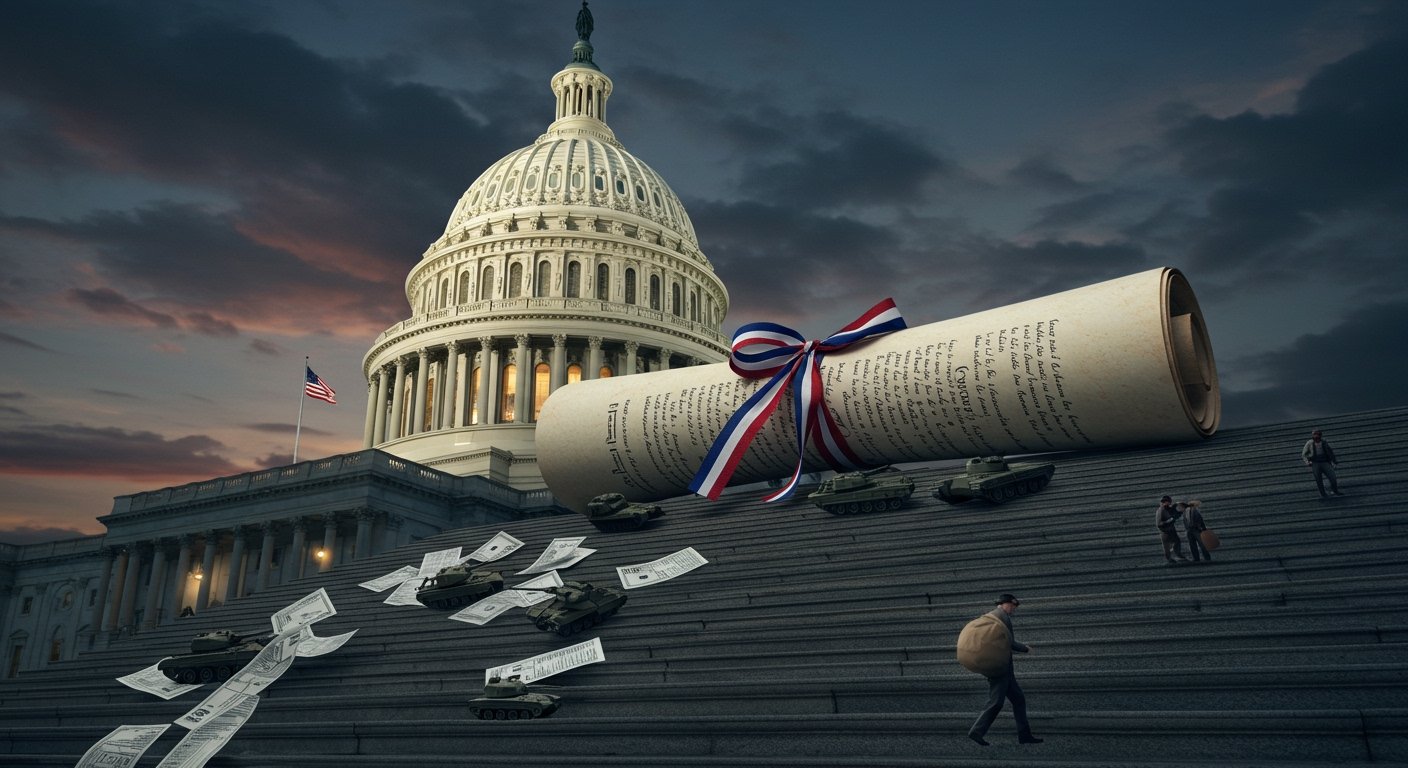
The slogan “Abolish ICE,” which gained national traction in 2018, has seen a distinct resurgence following this incident. This is not merely a reactionary political stance but a continuation of a multi-year effort to decouple local municipal services from federal immigration enforcement. Critics of the agency argue that ICE functions as an extrajudicial force, often operating in the shadows and evading the rigorous oversight standards that local police departments are held to. Proponents of the “Abolish” movement argue that the agency’s focus has drifted from administrative enforcement to aggressive, paramilitary-style tactics that traumatize immigrant communities and, as seen in the Bronx, endanger bystanders. This movement advocates for a dismantling of the current agency and a potential redistribution of its administrative functions to other departments, such as the Department of Justice or the Department of Labor, where enforcement is arguably better regulated. The shooting in the Bronx serves as the latest exhibit for these activists to argue that federal immigration enforcement, in its current form, is incapable of safe operation in diverse, urban environments.
Institutional Tensions: Local Law Enforcement vs. Federal Agencies
A critical, and often overlooked, aspect of this incident is the friction between municipal law enforcement and federal agencies. While the NYPD maintains a collaborative relationship with federal partners on counter-terrorism and major investigations, the relationship regarding routine immigration enforcement has historically been strained. Policies such as New York’s “Sanctuary City” status are designed to limit local police cooperation with ICE, aiming to foster trust between the immigrant community and local police. The presence of an ICE officer operating in the Bronx—potentially without local coordination—highlights a persistent loophole: federal agencies retain broad constitutional authority that can supersede local policies. This jurisdictional “gray zone” is exactly where activists and local leaders are pushing for legislative action. They argue that if the city cannot prevent federal agents from operating, it must at least impose strict operational constraints, such as requirements for coordination, the prohibition of plainclothes operations in residential areas, and absolute bans on tactics that put minors at risk.
Federal Implications and the Path Forward
The incident has reached the desks of federal policymakers in Washington, forcing a confrontation between local Democratic leaders and the incoming Trump administration. While the administration has historically prioritized aggressive immigration enforcement, the specificity of this incident—involving a child and high-profile political condemnation—could force a defensive posture. The ongoing dialogue between local officials and federal liaisons is centered on three main objectives: establishing a full, independent inquiry into the use of force; determining whether standard operating procedures were violated during the attempted arrest; and discussing the potential for a memorandum of understanding (MOU) that would severely restrict, if not eliminate, the deployment of ICE resources in New York City neighborhoods without local consent. Whether this pressure will result in a policy shift remains to be seen, but the event has undeniably recalibrated the discourse, ensuring that immigration enforcement will remain a central point of contention for the foreseeable future.
FAQ: People Also Ask
1. What specifically triggered the call for action from Rep. Ocasio-Cortez?
The demand for action was triggered by the involvement of an ICE officer in a shooting in the Bronx that resulted in injuries to a man while a child was in the vehicle. The primary concern cited by officials is the perceived escalation of violence in federal immigration enforcement and the endangerment of the public.
2. Is there a current investigation into the Bronx ICE shooting?
Yes, there are parallel investigations. While local authorities are examining the use of force, the Department of Homeland Security (DHS) is conducting an internal review to determine if federal agent protocols were adhered to during the operation.
3. Do Democratic leaders actually have the power to ‘Abolish ICE’?
“Abolishing ICE” is a legislative goal that would require an act of Congress. While local New York officials cannot unilaterally dismantle a federal agency, they can exert significant political pressure, enact local “Sanctuary City” ordinances that obstruct cooperation, and lobby for federal legislative changes to restrict the agency’s funding and scope.
4. How does the ‘Abolish ICE’ movement differ from current immigration policy proposals?
The “Abolish ICE” movement argues that the agency is fundamentally flawed and seeks its dissolution. Conversely, current mainstream political proposals generally focus on reforming the agency, increasing oversight, or adjusting border enforcement strategies without eliminating the agency entirely.