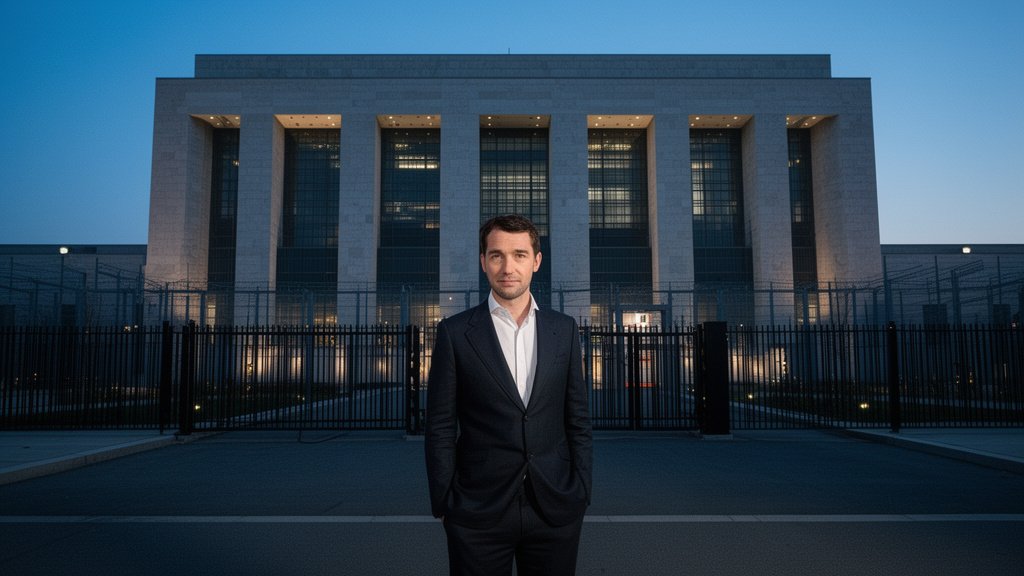
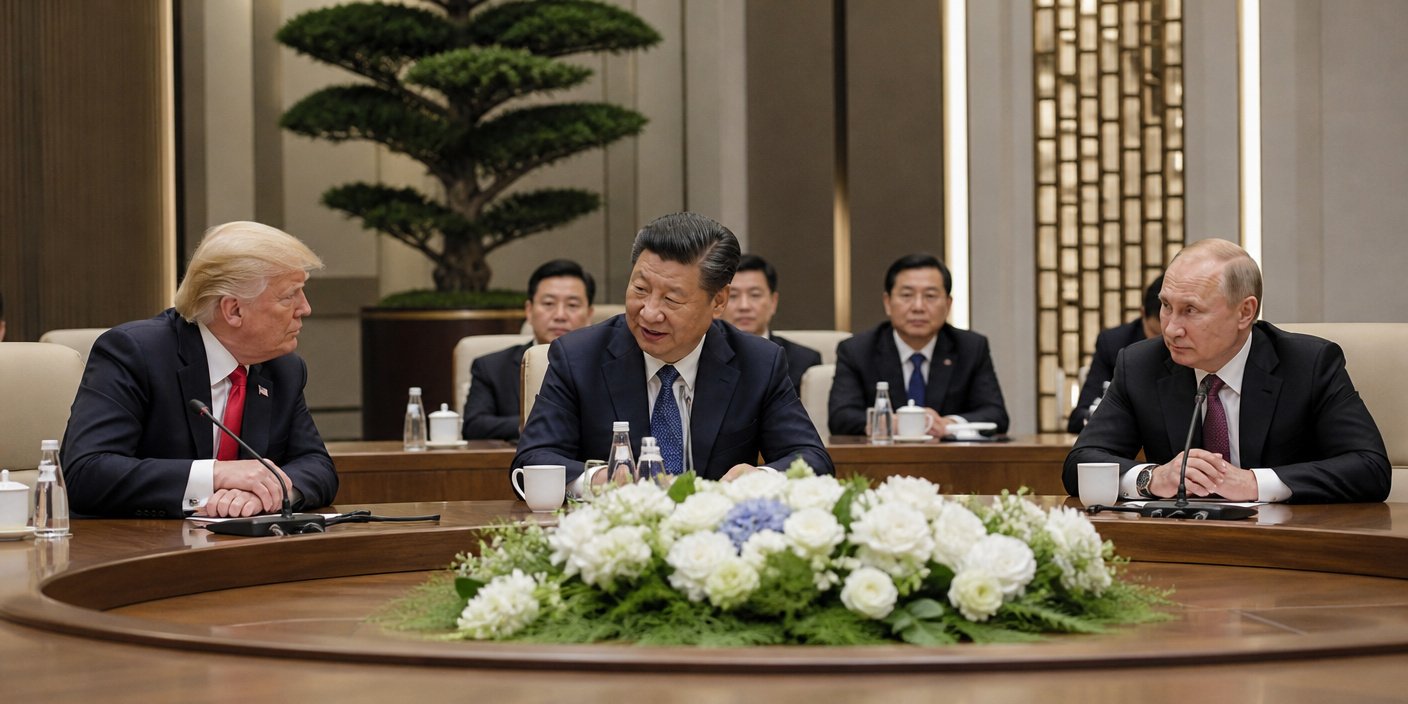
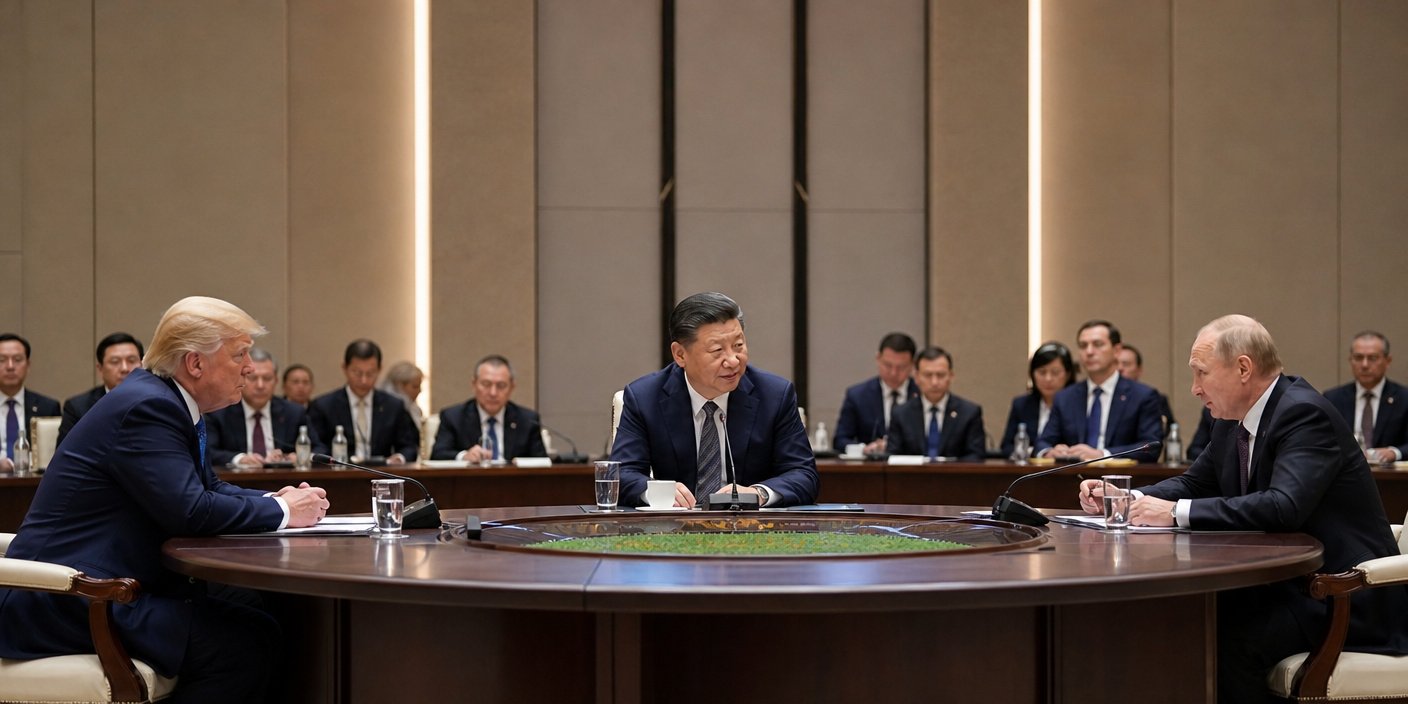
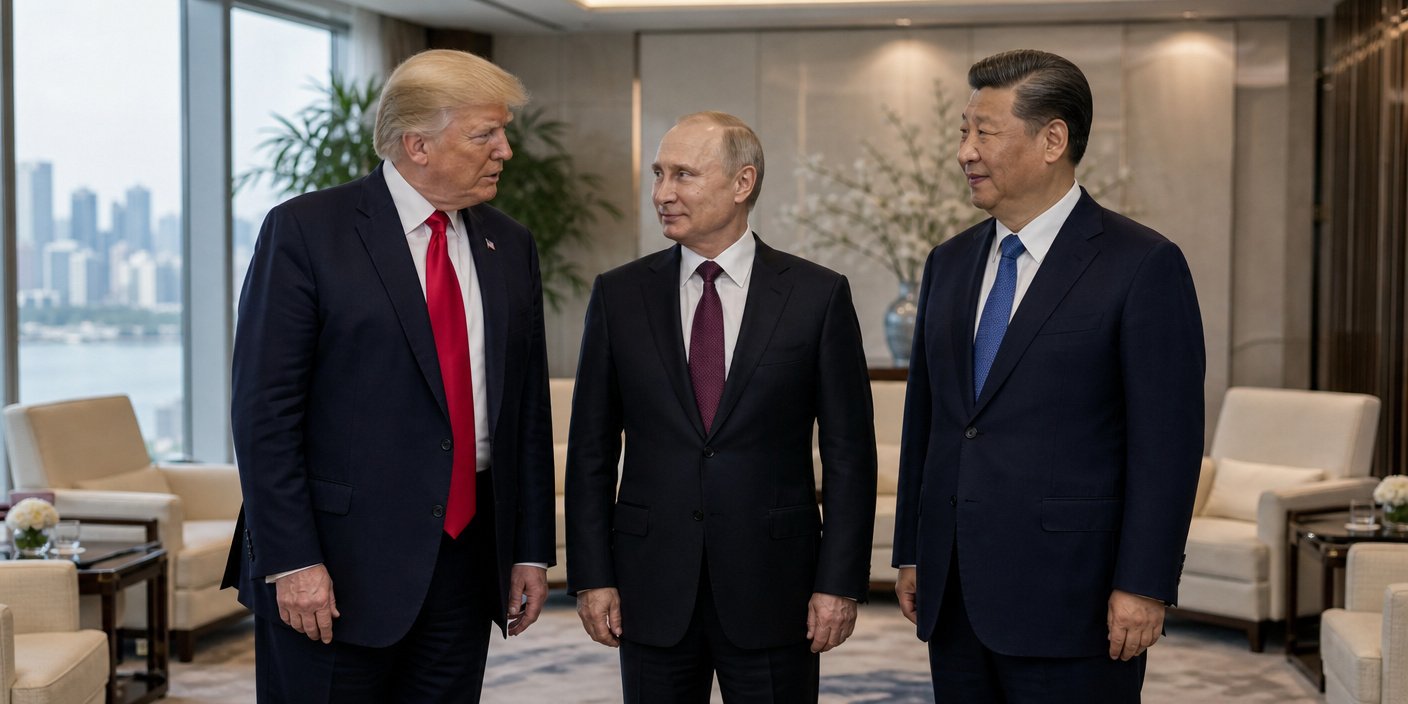
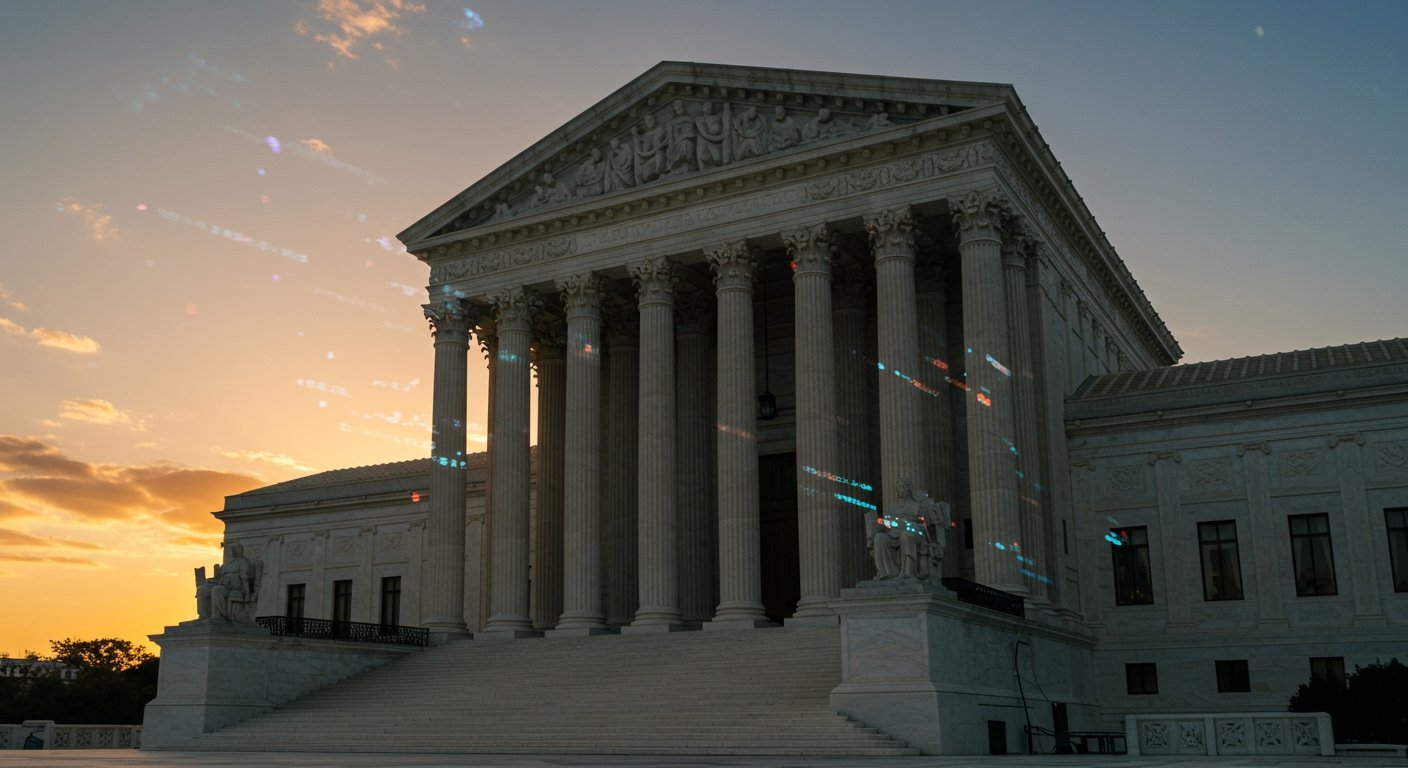
The Supreme Court officially opened its new term this morning, signaling the start of a judicial session packed with consequential decisions on the future of federal authority. Simultaneously, President Trump has mobilized the executive branch’s technological agenda, announcing the official leadership team for his new federal Artificial Intelligence (AI) task force. This convergence of high-stakes environmental litigation and a rapid push for domestic AI dominance marks a defining moment for the current political and legal landscape.
Key Highlights
- Supreme Court Opening: The Court has commenced its new term, prioritizing a major environmental case regarding the scope of federal regulatory power in climate change mitigation.
- AI Leadership Announcement: President Trump unveiled the steering committee for his federal AI task force, specifically chartered to prioritize American technological interests and national security.
- Regulatory Friction: The concurrent events highlight the growing tension between judicial scrutiny of executive agency powers and the aggressive expansion of federal technology initiatives.
- Strategic Focus: The AI task force will focus on protecting domestic data, intellectual property, and infrastructure, effectively signaling an “America First” approach to AI development.
The New Era: Judicial Review Meets Executive Tech Strategy
The dual developments of this week illustrate a fundamental shift in how the United States approaches governance in an age of rapid innovation and environmental urgency. With the Supreme Court term beginning, the judicial branch is once again positioned as the ultimate arbiter of executive power, while the White House is doubling down on a centralized, security-first strategy for Artificial Intelligence.
The Judicial Docket: Climate Change in the Crosshairs
At the forefront of the Supreme Court’s docket is a significant environmental case that challenges the Environmental Protection Agency’s (EPA) current regulatory reach. Legal analysts have long awaited this term, as it follows a string of decisions that have systematically tightened the criteria for federal agency rulemaking. This case is not merely about environmental policy; it is a test of administrative law. The Court is expected to examine whether current agency mandates regarding emissions standards overstep their statutory authority.
For the legal community, this case represents a potential pivot point. If the Court rules in favor of the petitioners, it could severely curtail the ability of federal agencies to enact broad-reaching climate regulations without explicit congressional approval. This would represent a victory for industry advocates who have long argued against the “regulatory state,” while environmental groups warn that a loss could paralyze progress on clean energy initiatives at the federal level.
The AI Task Force: Securing American Sovereignty


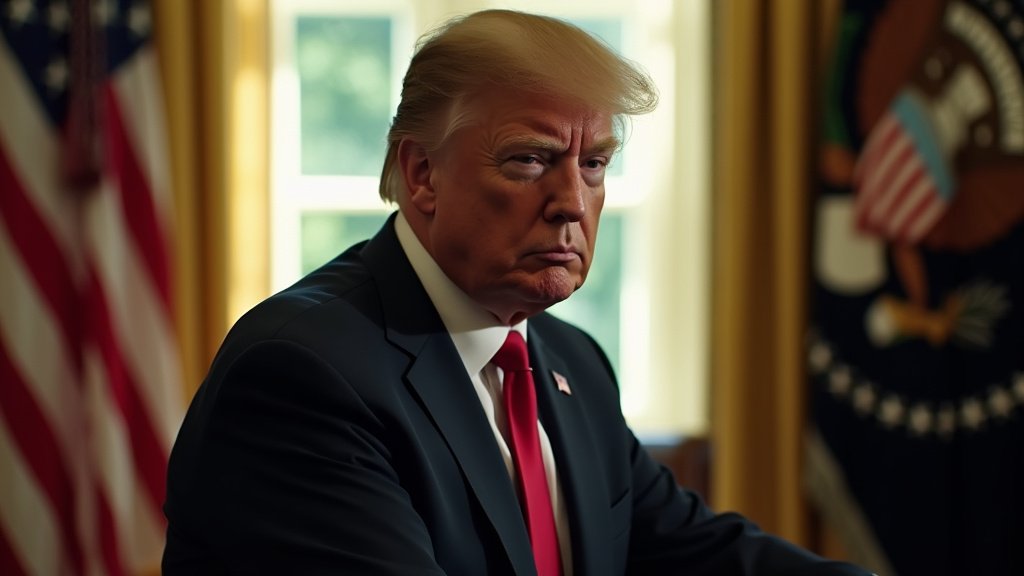
While the Supreme Court debates the boundaries of the past, President Trump’s newly formed AI task force is focused entirely on the future. The announcement of the leadership team, composed of a mix of private sector tech visionaries and seasoned national security officials, underscores the administration’s intent to make AI a primary pillar of its domestic and foreign policy.
This task force is not merely an advisory body; its charter includes the promotion of American AI interests and the protection of critical data infrastructure from foreign adversaries. Sources close to the administration suggest the group will fast-track policies related to high-performance computing, energy procurement for data centers, and the development of sovereign AI models. The inclusion of leaders from top American cybersecurity firms alongside federal strategists implies that the administration views AI not just as a consumer tool, but as a strategic asset comparable to aerospace or nuclear capability.
Convergence of Interests: Energy and Innovation
Though disparate, these two stories share a critical, often-overlooked link: energy. The AI task force’s success relies on an massive, reliable, and affordable supply of power to run the data centers that fuel modern generative AI. Simultaneously, the Supreme Court’s climate case is inherently about how the nation generates that very energy.
This intersection creates a complex policy environment. If the Court restricts federal environmental regulations, it may ironically lower compliance costs for the energy sector, potentially easing the transition for power providers to meet the voracious demands of the tech industry. Conversely, a victory for environmental regulators could complicate the energy supply chains necessary to sustain the growth goals of the new AI task force. Navigating this “energy-tech-legal” nexus will be the defining challenge for policymakers in the coming months.
Secondary Angles & Projections
1. The Rise of Judicial Skepticism: We are likely to see a trend where the Supreme Court applies heightened scrutiny to AI-related executive orders, much like it does with environmental ones, questioning whether these new federal tech initiatives have a firm basis in statutory law.
2. The Geopolitical AI Race: With the Trump administration signaling a protective approach to AI, expect to see a surge in trade restrictions, export controls on high-end semiconductors, and intensified scrutiny of international data partnerships.
3. Future-Proofing Legislation: There is an increasing likelihood of Congress attempting to intervene with bipartisan legislation to codify AI policy before the executive branch and the Supreme Court create a fragmented landscape of regulations.
FAQ: People Also Ask
Q: What is the primary focus of the Supreme Court’s climate case this term?
A: The core of the case centers on the interpretation of statutory authority. It examines whether the EPA can impose broad environmental regulations without specific congressional authorization, challenging the scope of administrative agency power.
Q: Who is leading the new AI task force announced by the President?
A: The task force is composed of a strategic blend of national security experts and private sector leaders, specifically chosen to bridge the gap between technological innovation and defense-centric security protocols.
Q: How does the new AI task force affect the average American?
A: The impact will likely be felt through infrastructure investments, potential changes in energy pricing, and a shift in how personal and corporate data is protected under federal security standards.
Q: Why are these two events being reported together?
A: Reporting these events in tandem underscores the broader theme of “Federal Authority in Transition.” Both events represent a struggle to define the limits and goals of the federal government in the 21st century.