The Smithsonian Institution, in a strategic partnership with Florida Humanities, has announced that the critically acclaimed traveling exhibition “Americans” will embark on a tour across Florida beginning August 21, 2026. This exhibition, originally developed by the National Museum of the American Indian (NMAI), serves as a poignant exploration of how American Indian history is woven into the very fabric of the United States—often hiding in plain sight.
The ‘Americans’ Core Concept: Identity and Imagery
At the heart of the “Americans” exhibition is a challenging, necessary question: How is it that American Indian imagery is everywhere in the United States, yet American Indians are often invisible? The exhibit deconstructs the pervasiveness of Indian imagery in American life, tracing its roots from the 19th century to the present day. It looks at the iconic—and sometimes problematic—ways American Indian names, images, and stories have been appropriated by businesses, sports teams, and political campaigns.
By contextualizing these images, the Smithsonian aims to shift the narrative from one of caricature to one of historical reality. The exhibition does not just present history as a collection of static artifacts; it asks visitors to engage with the “why” behind the ubiquitous use of Native imagery. It prompts a critical examination of national identity, challenging the viewer to consider how a nation constructs its own sense of self by consuming the identity of its original inhabitants.
Partnering for Local Impact: The Florida Humanities Initiative
The tour is being facilitated through a robust partnership with Florida Humanities, the state affiliate of the National Endowment for the Humanities. This collaboration is designed to bring the resources of the Smithsonian—the world’s largest museum, education, and research complex—directly to local communities that might not have immediate access to the museum’s Washington, D.C. location.
Florida Humanities plays a pivotal role in the “Museum on Main Street” (MoMS) framework, which serves as a bridge between national intellectual discourse and local grassroots engagement. By selecting five specific communities across the state, Florida Humanities ensures that the exhibition is not merely a transient event but a catalyst for local conversation. Each stop is intended to engage students, historians, local educators, and the general public, fostering a dialogue that is grounded in local relevance while being informed by national scholarship.
The Logistics of the Five-Community Tour
Starting on August 21, 2026, the exhibition will rotate through five distinct Florida communities. The selection of these sites is deliberate. The goal is to traverse diverse geographic and demographic regions of the state, ensuring that the dialogue regarding American Indian identity reaches beyond metropolitan hubs.
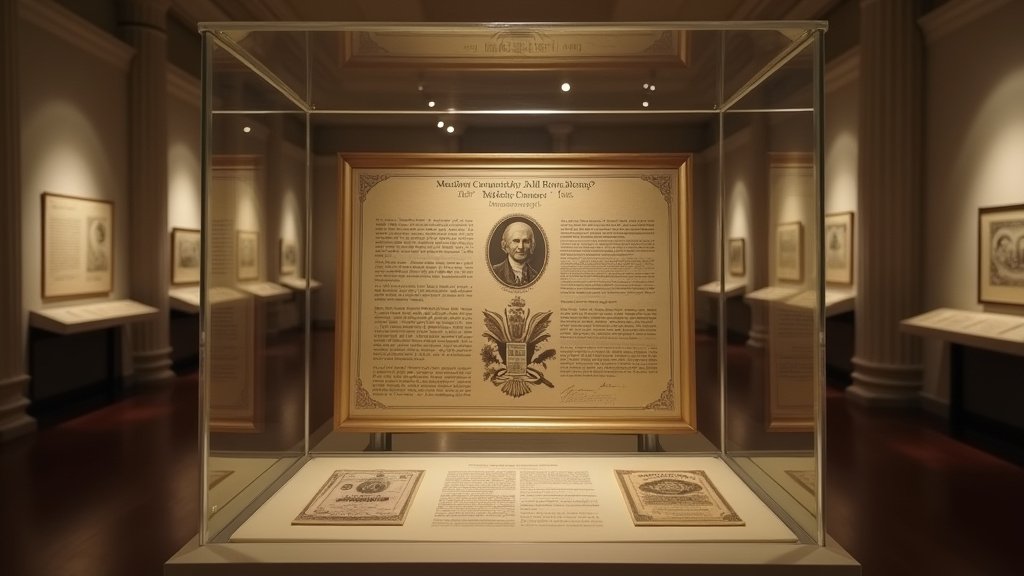
Logistically, the “Americans” tour utilizes portable exhibit modules that are designed for high-impact educational delivery in smaller venues such as public libraries, local museums, and cultural centers. These modules combine artifact displays, interactive digital archives, and immersive storytelling components. The exhibition’s mobility is its greatest asset, allowing it to penetrate areas where humanities resources are often more constrained, thereby democratizing access to high-level historical analysis.
Deconstructing Stereotypes in Pop Culture
One of the most anticipated sections of the exhibition explores the “Pop Culture” aspect of American Indian identity. The Smithsonian team has spent years documenting how Indian images have been used to sell products, define patriotism, and serve as mascots. The exhibit provides a critical lens on this phenomenon, showing how these images have functioned as placeholders for a “glorified, vanished past” rather than engaging with living, breathing contemporary Native communities.
By separating the romanticized fiction from the authentic fact, “Americans” serves as an educational tool for K-12 students and adults alike. It provides teachers with curated curriculum materials, turning a simple visit to the exhibit into a comprehensive learning experience that can be integrated into social studies and history coursework.
Future Perspectives: The Role of Humanities in Civic Engagement
Looking toward the future, the partnership between the Smithsonian and Florida Humanities highlights the growing importance of regional cultural programming. As the United States continues to grapple with complex questions regarding heritage, land rights, and inclusivity, these traveling exhibitions provide the neutral, research-backed ground necessary for civic growth.
This tour is more than an exhibition; it is an exercise in cultural literacy. By bringing the “Americans” project to Florida, organizers are not just importing a show; they are initiating a series of community-wide discussions about the complexities of American history. For attendees, the exhibition offers a rare opportunity to engage with history that feels both personal and national, shifting the perspective on what it means to be an “American” in the 21st century.
FAQ: People Also Ask
What is the ‘Americans’ exhibition about?
The ‘Americans’ exhibition, developed by the Smithsonian’s National Museum of the American Indian, explores the complex and often contradictory ways that American Indian imagery, names, and stories have been integrated into American culture and history.
When and where does the Florida tour start?
The tour officially launches on August 21, 2026, and will rotate through five specific Florida communities, with the program managed by Florida Humanities.
What is the goal of the Florida Humanities partnership?
The goal is to democratize access to national-level historical scholarship. By partnering with the Smithsonian, Florida Humanities brings curated, high-quality exhibits to smaller, diverse communities throughout the state, fostering local education and discussion.
Can students and teachers use this exhibit for research?
Yes. The exhibition is designed with educational programming in mind, providing resources and context that are highly valuable for K-12 students and educators studying American history, social studies, and sociology.