On July 12, 2026, escalating geopolitical tensions between the United States and Iran reached a critical point, with the U.S. executing a third round of strikes against Iran in response to an attack on a commercial vessel in the strategically vital Strait of Hormuz. This aggressive action followed an earlier declaration by Iran’s Revolutionary Guard Navy that the Strait of Hormuz would be closed indefinitely, after firing warning shots at a vessel reportedly using an unauthorized route. The closure threat and subsequent strikes have amplified regional instability, prompting significant concern from Pakistan and Saudi Arabia regarding the delicate balance of power in the Middle East. Simultaneously, the international community observed the reported detention of U.S. Representative Ro Khanna by armed Israeli settlers during his visit to the West Bank, an incident that further complicated diplomatic relations in the region.
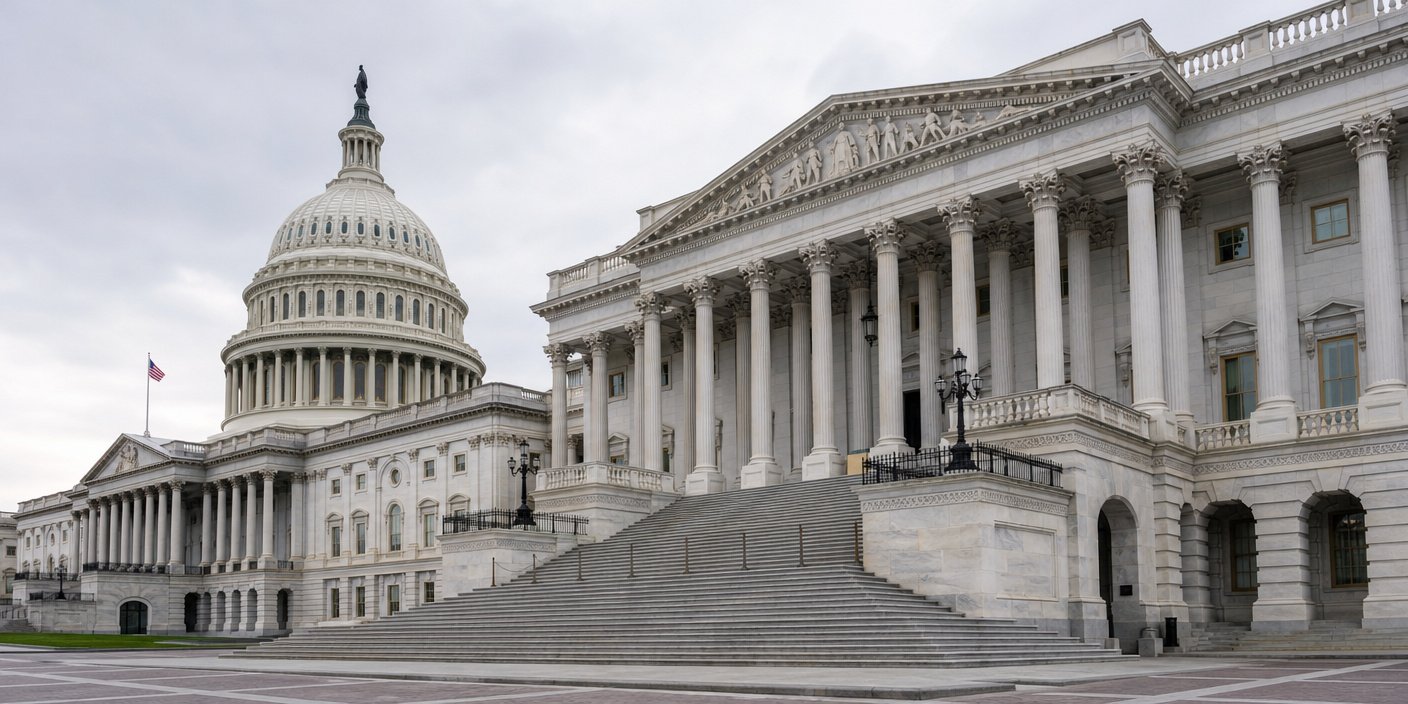
Adding to the day’s turmoil, the New York Times brought to light an investigation into leaks concerning the new Air Force One program. White House directives tasked FBI Director Kash Patel with leading the inquiry, which has reportedly resulted in subpoenas being issued to several New York Times reporters. This development has ignited a fervent debate surrounding press freedom and the extent of government oversight in journalistic investigations. Domestically, a bipartisan housing affordability bill successfully became law, notably without President Trump’s signature. His decision to forgo signing the bill was a protest against a separate voter ID bill that failed to garner sufficient bipartisan support.
Geopolitical Flashpoint: Strait of Hormuz
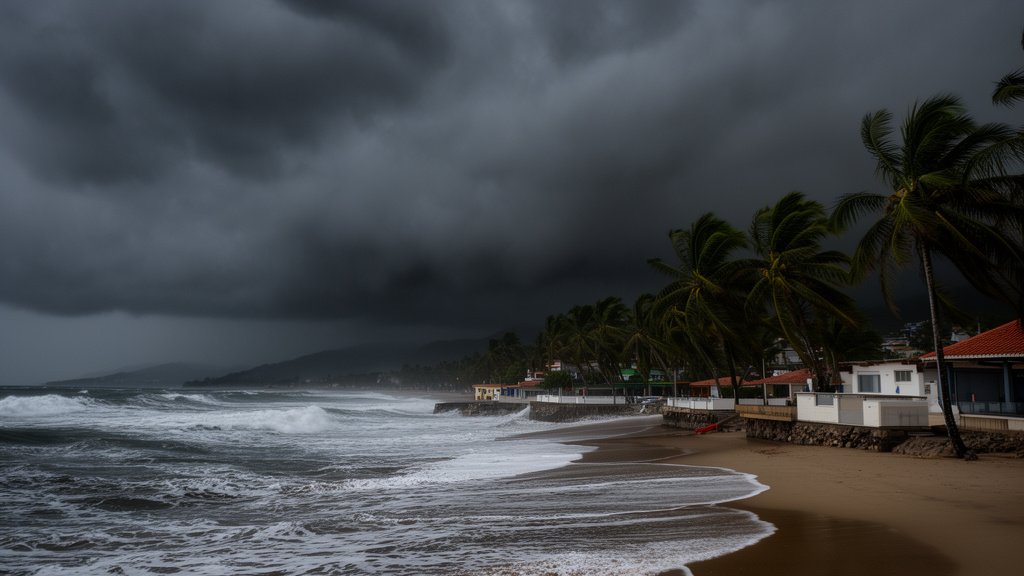
The Strait of Hormuz, a narrow waterway crucial for global oil transport, has become the epicenter of escalating U.S.-Iran hostilities. The U.S. initiated strikes following an attack on a commercial vessel, a move Iran’s Revolutionary Guard Navy responded to by declaring the strait closed. The closure announcement, coupled with warning shots fired at a vessel for allegedly deviating from authorized routes, sent ripples of concern across the region. Pakistan and Saudi Arabia voiced their unease, underscoring the fragility of regional stability amidst these aggressive maneuvers. The economic implications of a potential disruption to this vital shipping lane are immense, affecting global energy markets and supply chains.
West Bank Incident: Rep. Ro Khanna Detained
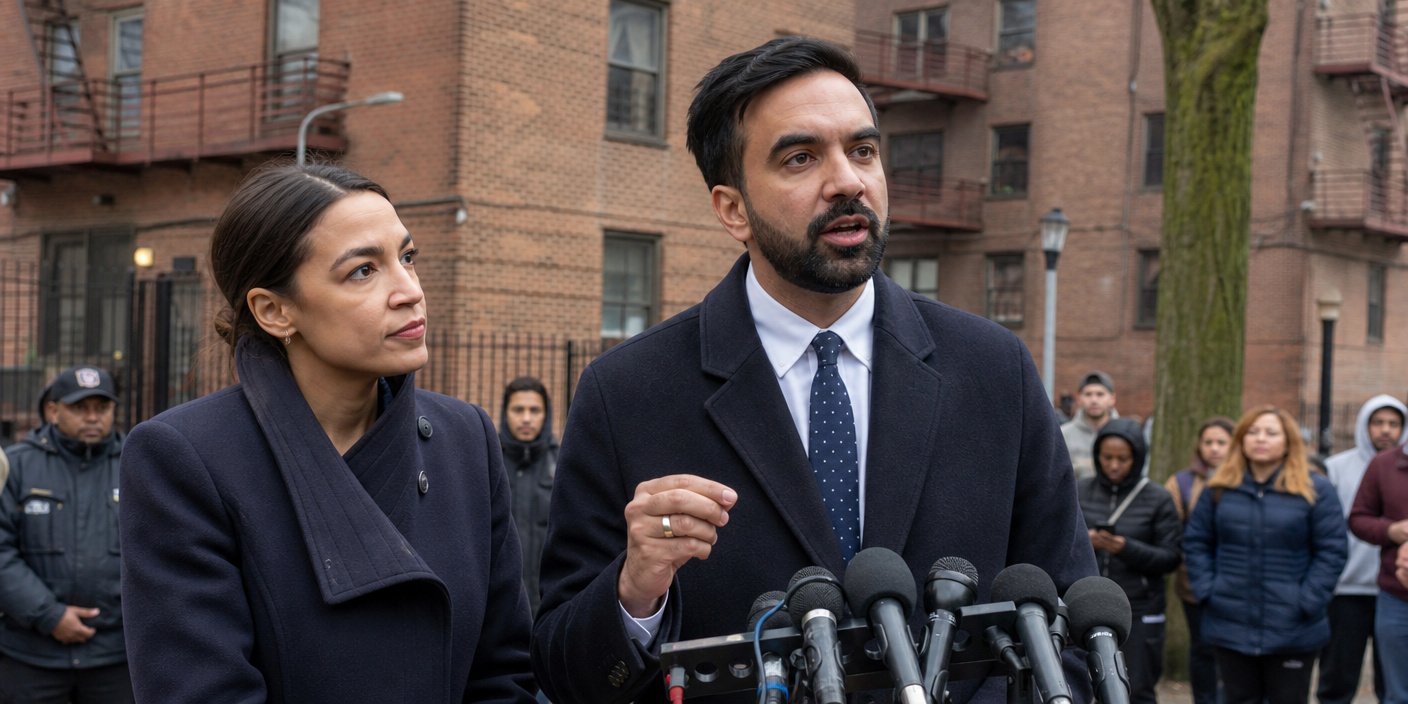
Adding another layer of complexity to the international landscape, U.S. Representative Ro Khanna was reported to have been detained by armed Israeli settlers while visiting the West Bank. Details surrounding the circumstances of his detention remain sparse, but the event underscores the volatile nature of the region and the potential for incidents involving foreign dignitaries. The incident has the potential to strain diplomatic ties and draw further international attention to the ongoing situation in the West Bank.
Press Freedom Under Scrutiny: Air Force One Leaks
The investigation into leaks concerning the new Air Force One program has cast a shadow over press freedom in the United States. The White House’s directive for FBI Director Kash Patel to lead the inquiry, and the subsequent issuance of subpoenas to New York Times reporters, has drawn sharp criticism from press advocacy groups. These actions raise questions about the government’s approach to handling leaks and its potential impact on journalistic independence. The First Amendment rights of the press are central to this debate, as are concerns about potential chilling effects on investigative reporting.
Domestic Policy: Housing Affordability Bill
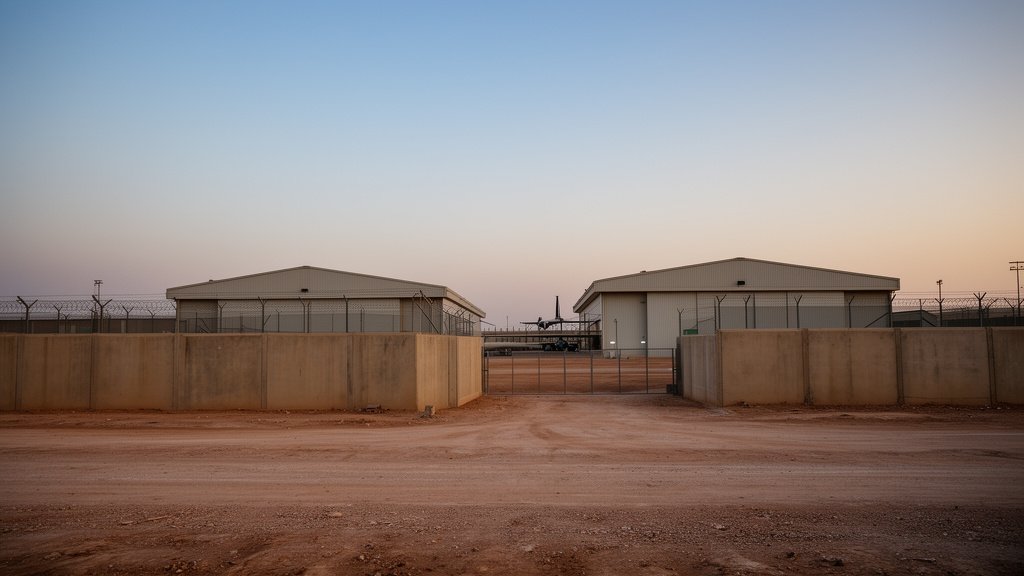



In a contrasting development, a bipartisan housing affordability bill has become law. President Trump’s refusal to sign the bill, in protest of a separate, unsuccessful voter ID bill, highlights the complex political dynamics at play. While the housing bill’s passage is a significant legislative achievement, the President’s veto of signing signals ongoing political divisions and strategic maneuvering ahead of future elections.
Secondary Angles:
#### Historical Context of Strait of Hormuz Tensions
The Strait of Hormuz has a long history of being a flashpoint for regional conflict, particularly involving Iran and international powers. Since the Iranian Revolution in 1979, Iran has repeatedly threatened to close the strait in response to perceived threats or sanctions. The U.S. Navy has a consistent presence in the region, aimed at ensuring freedom of navigation and deterring Iranian aggression. Past incidents, such as mine-laying and naval skirmishes, underscore the perennial risk of escalation in this critical waterway, making current events part of a recurring pattern of geopolitical brinkmanship.
#### Economic Ramifications of Regional Instability
The Strait of Hormuz is responsible for the transit of approximately 20-30% of the world’s seaborne crude oil. Any disruption, whether through closure or conflict, has immediate and severe global economic consequences. Oil prices would likely surge, impacting inflation, consumer spending, and industrial production worldwide. The concerns voiced by Saudi Arabia and Pakistan highlight the interconnectedness of the region’s economies and the broader impact of U.S.-Iran conflict on global trade routes and energy security.
#### Future of Press Freedom in the Digital Age
The Air Force One leak investigation and subsequent subpoenas raise critical questions about the future of press freedom in an era of advanced digital surveillance and rapid information dissemination. The ability of journalists to protect their sources and conduct investigations without undue government interference is fundamental to a functioning democracy. The outcome of this particular investigation could set precedents for how governments interact with the press regarding leaked information, potentially impacting the public’s right to know and the role of investigative journalism in holding power accountable.
FAQ: People Also Ask
What is the Strait of Hormuz and why is it important?
The Strait of Hormuz is a narrow waterway connecting the Persian Gulf and the Gulf of Oman. It is one of the world’s most important oil transit chokepoints, through which approximately 20-30% of the world’s seaborne crude oil passes daily. Its strategic importance makes it a frequent site of geopolitical tension.
Who is Rep. Ro Khanna?
Ro Khanna is an American politician serving as the U.S. Representative for California’s 17th congressional district. He is a member of the Democratic Party and has been vocal on foreign policy issues.
What are the concerns regarding the Air Force One leak investigation?
The primary concern is that the investigation, particularly the issuance of subpoenas to New York Times reporters, infringes upon press freedom and could intimidate journalists, potentially chilling investigative reporting and the protection of sources.
What was the bipartisan housing affordability bill about?
While specific details of the bill are not provided in the source, it is described as a bipartisan effort aimed at addressing housing affordability. Its passage without presidential signature highlights a complex legislative and political environment.
What is the current relationship between the US and Iran?
The relationship between the United States and Iran is characterized by deep-seated animosity and strategic rivalry, marked by sanctions, proxy conflicts, and recent direct military actions like the strikes in the Strait of Hormuz.