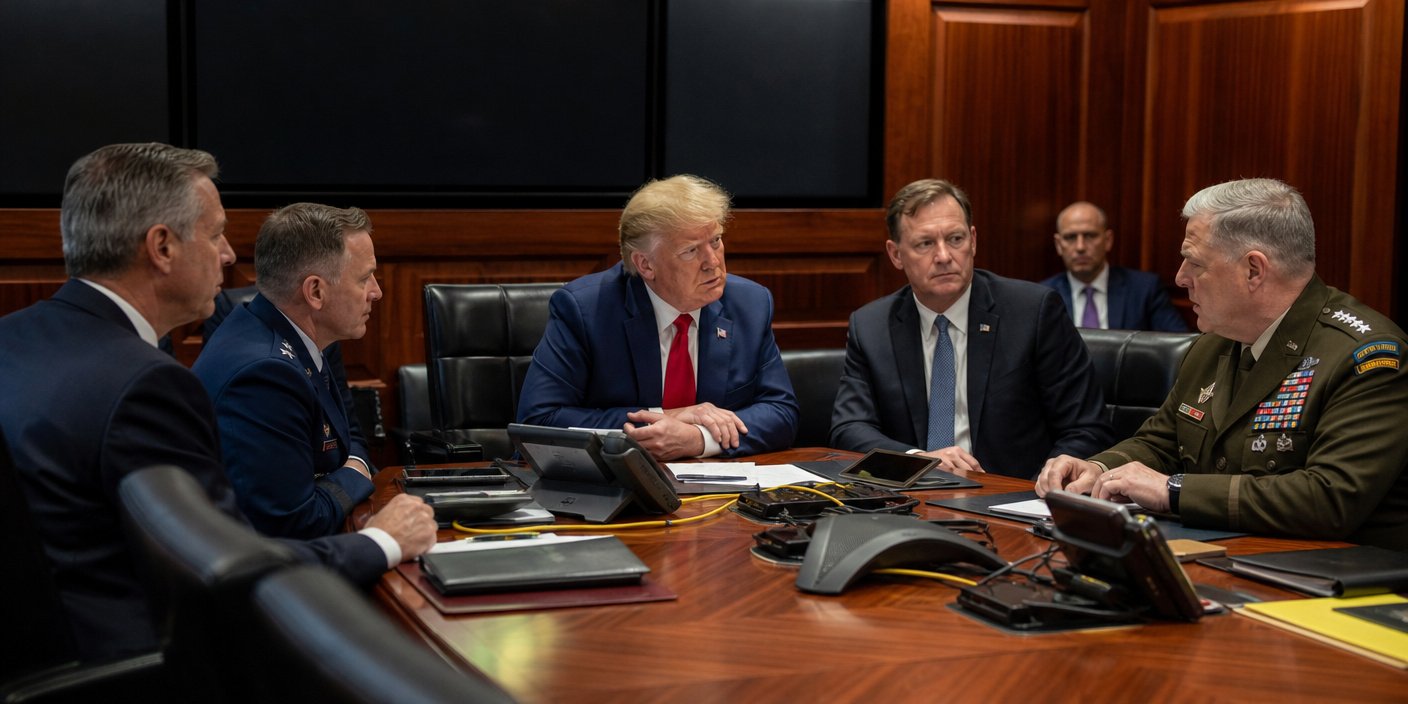
The conflict between the United States and Iran has intensified, marked by direct military action and escalating regional tensions. On March 18, 2026, Iran launched missiles targeting Israel, resulting in two fatalities near Tel Aviv. In a swift response, the U.S. deployed “bunker buster” bombs along Iran’s coast. This military escalation coincides with a significant political development: Joe Kent, director of the U.S. National Counterterrorism Center, resigned from his post, citing that Iran posed no imminent threat and that the war was initiated under pressure from Israel.
Iran’s Regional Offensive Continues
Simultaneously, Iran has continued its aggressive actions against neighboring countries. The U.S. embassy in Baghdad was targeted by Iranian rocket attacks, and a drone strike caused a fire at a hotel within the heavily fortified Green Zone. The United Arab Emirates and Kuwait also reported Iranian drone and missile attacks. These actions underscore a broader pattern of Iranian assertiveness in the region, raising concerns about wider destabilization.
Domestic Disruptions and International Blockades
Domestically, a partial government shutdown is causing widespread travel disruptions, with unpaid TSA officers contributing to significant delays. In Cuba, efforts to restore power after a 29-hour islandwide blackout are underway, though further blackouts are anticipated due to a U.S. energy blockade.
Legal Developments and Shifting Justice Department Stances
In legal news, the Justice Department has dismissed charges against an Army veteran accused of burning a U.S. flag. Separately, a federal jury convicted eight anti-ICE protesters on terrorism charges, indicating a firm stance by the judicial system on acts deemed to threaten national security.
Secondary Angles:
#### The Geopolitical Chessboard: Iran’s Strategic Objectives


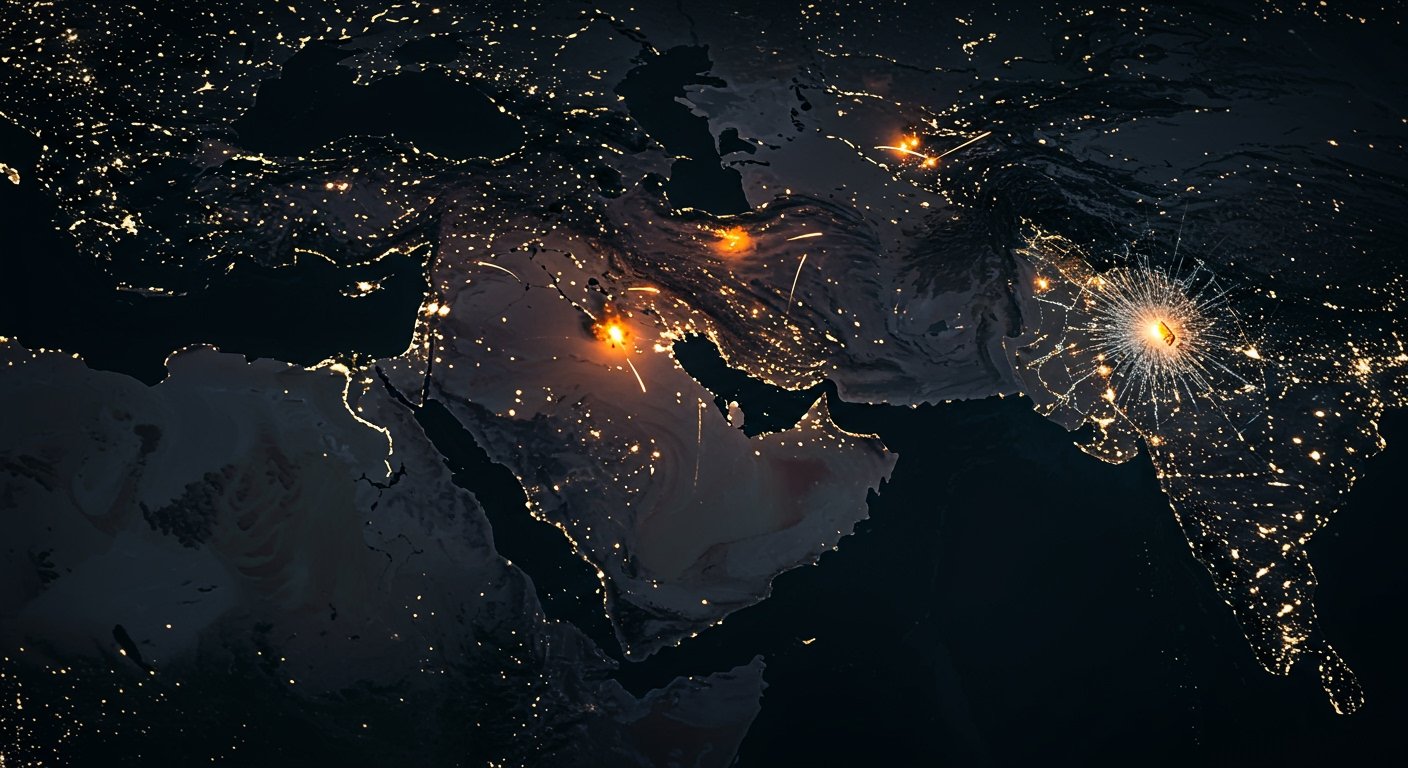
The escalating conflict with Iran raises critical questions about its strategic objectives. The decision to target Israel directly, coupled with attacks on U.S. interests in Iraq and threats to neighboring Gulf states, suggests a multi-pronged strategy aimed at projecting power and destabilizing rivals. Iran’s actions, particularly its missile and drone capabilities, indicate a sophisticated approach to asymmetric warfare, seeking to inflict maximum damage and sow regional discord. The U.S. response, including the use of advanced weaponry like bunker buster bombs, signals a commitment to countering these threats through overwhelming force, though the resignation of Joe Kent highlights internal debate within the U.S. government regarding the necessity and justification of such aggressive measures. The economic implications of potentially disrupting the Strait of Hormuz, a critical chokepoint for global oil transport, are also a significant factor, with potential for a massive economic collapse if Iran were to succeed in such a disruption.
#### The Impact of Government Shutdowns on National Security and Infrastructure
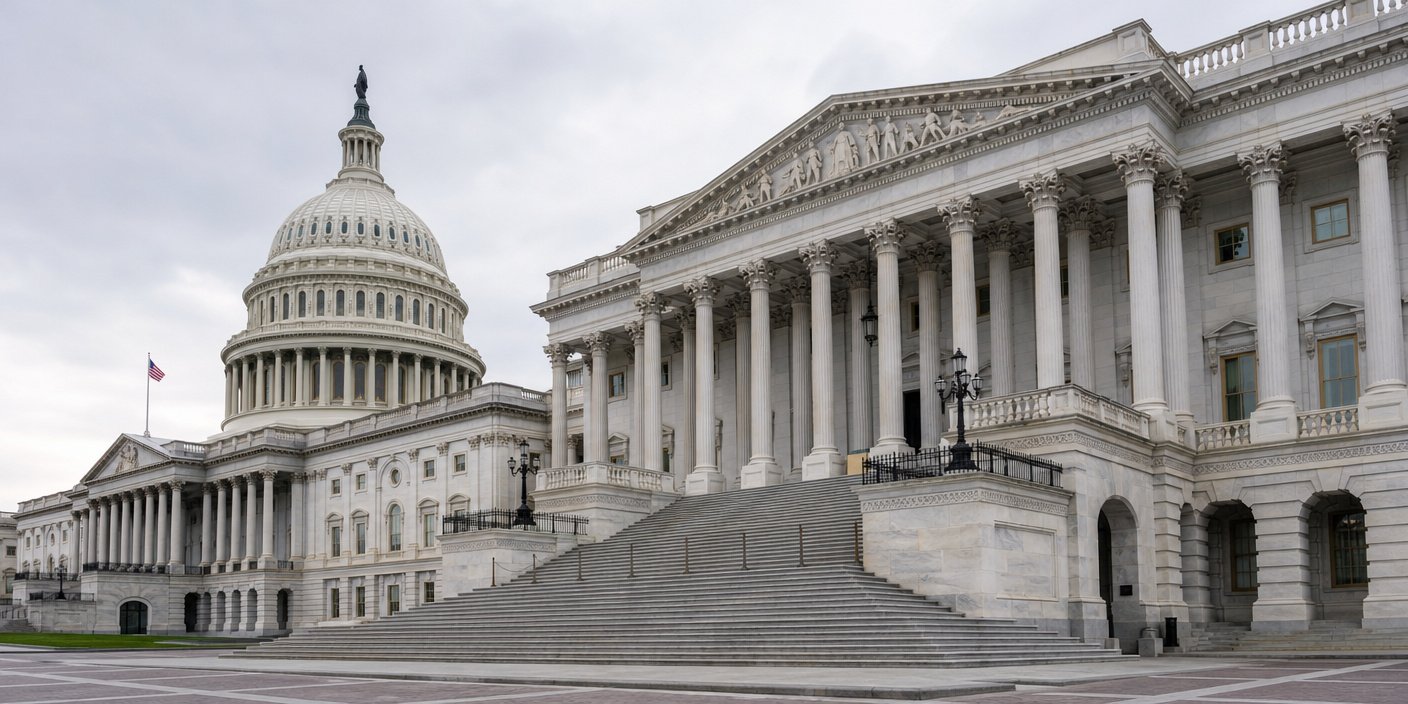
The partial government shutdown has tangible and immediate consequences, extending beyond mere inconvenience. The disruption to TSA operations underscores the vulnerability of critical infrastructure to political impasses. This situation not only affects civilian travel but also has implications for the movement of personnel and goods vital to national security. The reliance on unpaid essential workers highlights systemic issues within government funding and contingency planning. This scenario could be exploited by adversaries seeking to test the resilience of U.S. infrastructure and preparedness, especially during a period of heightened international conflict.
#### Cuba’s Energy Crisis: A Consequence of Blockades and Geopolitics
Cuba’s ongoing struggle with power restoration after a prolonged blackout, exacerbated by a U.S. energy blockade, illustrates the far-reaching consequences of geopolitical tensions on civilian populations. The blockade, a tool of foreign policy, directly impacts daily life and economic stability in Cuba. This situation also draws parallels to historical U.S. foreign policy strategies, where economic pressure is used as leverage. The resilience of Cuba’s infrastructure and its ability to maintain essential services are severely tested under such conditions, while the continued threat of blackouts underscores the fragility of its energy grid.
FAQ: People Also Ask
Q1: What triggered the recent escalation between the U.S. and Iran?
A1: The immediate trigger appears to be Iran’s retaliatory missile strikes on Israel, which killed two people near Tel Aviv, following a period of heightened tensions and prior actions by both nations. The U.S. responded with ‘bunker buster’ bombs.
Q2: Why did Joe Kent resign from the U.S. National Counterterrorism Center?
A2: Joe Kent resigned citing his belief that Iran posed no imminent threat and that the war was initiated due to pressure from Israel.
Q3: What are the implications of the partial government shutdown?
A3: The partial government shutdown is causing significant travel disruptions due to unpaid TSA officers, affecting public convenience and potentially national security operations.
Q4: What is the situation in Cuba regarding power outages?
A4: Cuba is experiencing continued blackouts following a 29-hour islandwide outage, with further disruptions expected due to a U.S. energy blockade.
Q5: Have there been any significant legal decisions reported on March 18, 2026?
A5: Yes, the Justice Department dismissed charges against an Army veteran for burning a U.S. flag, while a federal jury convicted eight anti-ICE protesters on terrorism charges.