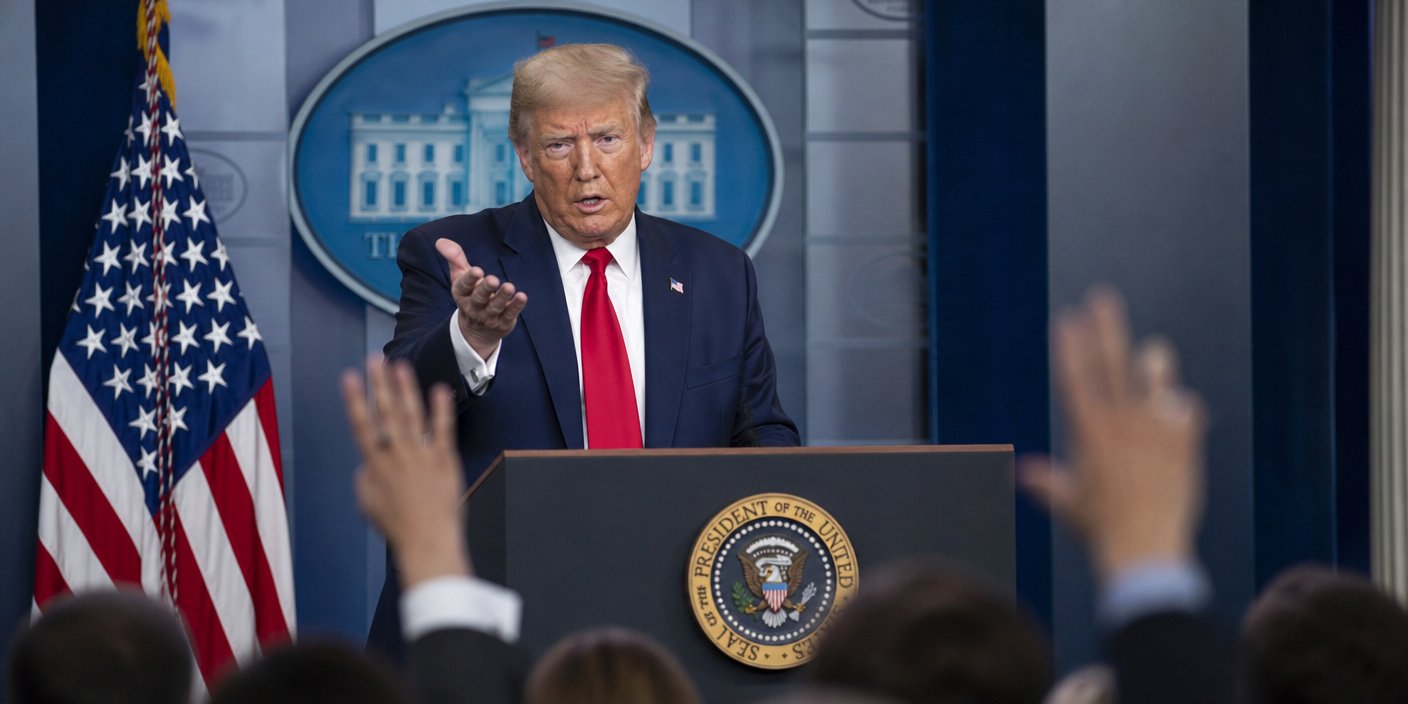
President Donald Trump has intensified his critique of NATO allies, directly challenging their commitment and accusing several key European nations of failing to provide adequate support during the recent U.S. war with Iran. Speaking at a NATO summit in Ankara, Turkey, Trump voiced strong dissatisfaction with allies such as Italy, Germany, and France, alleging their refusal to offer necessary assistance during the conflict. This sharp rebuke comes amidst ongoing discussions about defense spending, with Trump remaining skeptical of existing commitments despite an agreement for members to increase their GDP spending on defense to 5% by 2030.
Allies Accused of Failing to Support U.S. in Iran Conflict
Trump’s central grievance revolves around a perceived lack of reciprocity from NATO members, particularly concerning the U.S. war in Iran. He stated that allies “were not there for us” during the conflict, highlighting instances where several nations reportedly denied the U.S. access to joint military bases for offensive operations against Iran. U.S. Defense Secretary Pete Hegseth characterized these denials as “shameless” and argued that they placed American personnel at unnecessary risk. This criticism underscores Trump’s long-held belief that the United States bears a disproportionate burden within the alliance, providing extensive protection while allies do not reciprocate when U.S. interests are at stake.
Defense Spending Under Scrutiny
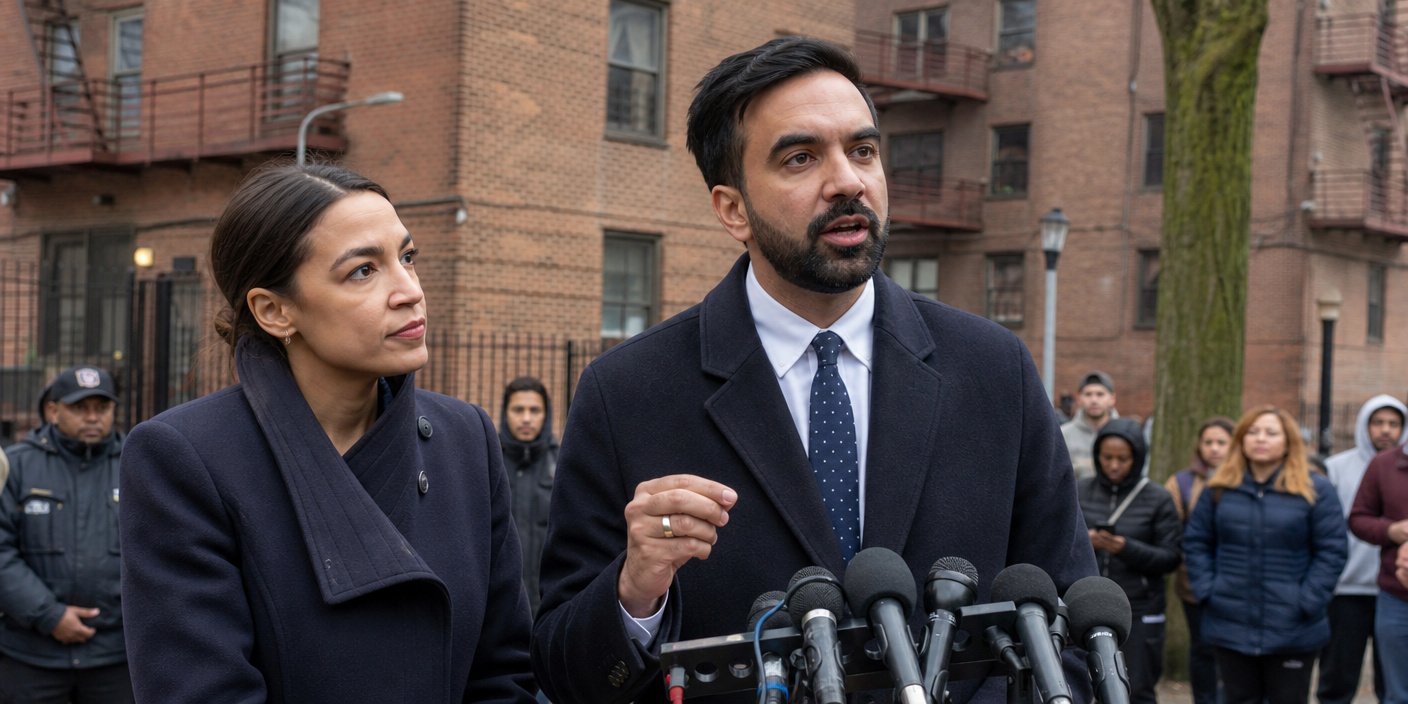


The issue of defense spending has been a recurring point of contention for Trump throughout his presidency. He has consistently accused European allies of underinvesting in their own militaries and relying too heavily on U.S. contributions. While NATO members have previously agreed to increase financial contributions, with a pledge to spend 5% of GDP on defense by 2035, Trump has expressed doubts about the adherence to these targets. He has even suggested that the 2% GDP benchmark for defense spending, a long-standing NATO target, is insufficient, proposing a higher range of up to 5% of GDP for member nations. Despite these calls for increased investment, some European leaders, such as German Chancellor Friedrich Merz, have defended their nations’ efforts, noting significant increases in defense budgets aimed at strengthening capabilities.
Trump’s Broader NATO Strategy
Trump’s rhetoric and demands appear to be part of a broader strategy to renegotiate the terms of U.S. engagement within NATO. His criticism extends beyond mere financial contributions, touching on issues of loyalty, fairness, and strategic alignment. The President has previously voiced doubts about the necessity of U.S. spending on NATO, questioning whether continued American investment is warranted when allies are perceived as not providing adequate protection in return. Experts suggest that Trump’s approach is a consistent tactic aimed at pressuring allies to increase their defense spending and re-evaluate their commitment to the alliance’s collective security.
FAQ: People Also Ask
Q1: What specific countries did President Trump criticize for not supporting the U.S. in the Iran war?
A1: President Trump specifically criticized Italy, Germany, and France for their alleged refusal to provide assistance during the U.S. war with Iran.
Q2: What is the agreed-upon defense spending target for NATO members by 2030?
A2: NATO members have agreed to commit to spending 5% of their GDP on defense by 2030, although President Trump remains skeptical of current commitments.
Q3: Why does President Trump believe the U.S. contribution to NATO is ‘ridiculous’?
A3: Trump considers the U.S. contribution ‘ridiculous’ because he believes the relationship is not reciprocal and that allies do not provide adequate support to the U.S. when it needs it, particularly in contexts like the Iran war.
Q4: Has President Trump threatened to withdraw from NATO before?
A4: Yes, at the height of previous friction over allied support and spending, President Trump had threatened to withdraw from the alliance.
Q5: What was NATO Secretary General Mark Rutte’s stance on the U.S. strikes in Iran during the summit?
A5: NATO Secretary General Mark Rutte defended the U.S. strikes on Iran, calling them “absolutely necessary” and stating that they degraded Iran’s nuclear and ballistic missile capabilities.