Tensions escalate in the Persian Gulf as Iran reportedly targets Kuwait and Bahrain following a naval exchange with the United States. This incident marks a significant escalation, drawing regional allies closer to a volatile geopolitical landscape.
Key Highlights:
- Iran allegedly targeted Kuwait and Bahrain after a confrontation with US naval forces.
- The specific nature of the alleged Iranian targeting remains unclear, raising regional security concerns.
- The incident underscores the precarious security situation in the Persian Gulf.
- International efforts are likely to focus on de-escalation and preventing further regional destabilization.
Regional Ripple Effect: Iran’s Escalation Beyond the Strait
The recent alleged targeting of Kuwait and Bahrain by Iran, following a reported exchange of fire with United States naval assets, has sent shockwaves across the Middle East. While details remain sparse, the implications of such an action, if confirmed, are profound, extending Iran’s assertive posture beyond its immediate maritime borders and drawing in key regional players. This incident, occurring in a critical global energy chokepoint, highlights the fragility of regional security and the potential for localized conflicts to rapidly escalate into broader geopolitical crises.
The Initial Spark: US-Iran Naval Confrontation
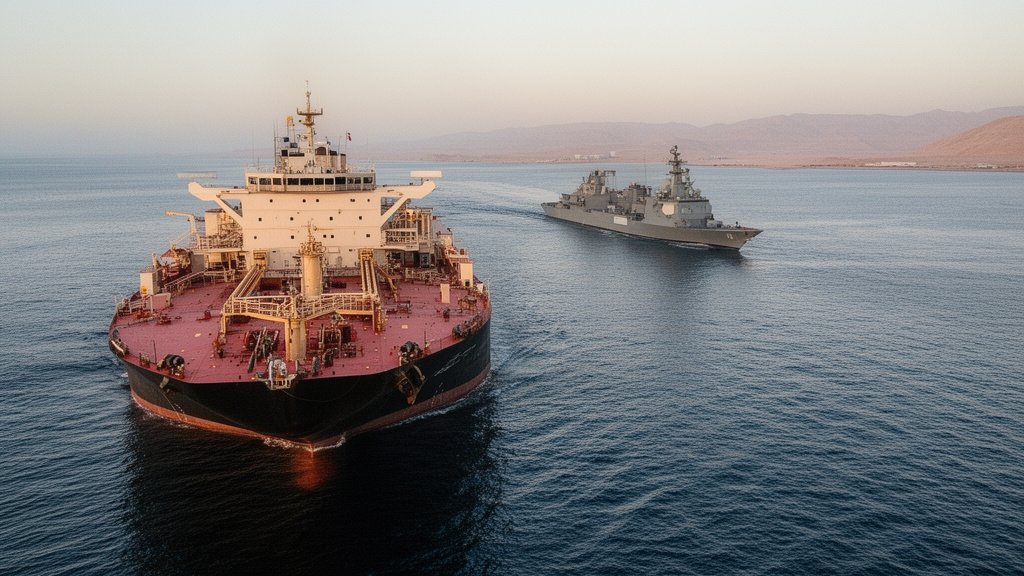
The sequence of events appears to have been triggered by a naval confrontation between the US and Iran. While the specifics of this encounter are still emerging, such incidents in the Strait of Hormuz and surrounding waters are not unprecedented. These encounters often involve close calls, warnings, and sometimes even minor skirmishes, driven by competing claims over maritime territory, freedom of navigation, and the broader geopolitical rivalry between the two nations. The US Navy frequently patrols these waters to ensure the free flow of commerce and to counter what it describes as destabilizing Iranian activities.
The Alleged Retaliation: Targeting Allies
Following the US-Iran engagement, reports emerged of Iran targeting Kuwait and Bahrain. The nature of this alleged targeting is a critical unanswered question. It could range from cyberattacks and electronic warfare to more conventional military posturing or even direct strikes. The choice of Kuwait and Bahrain as targets is significant. Both nations are US allies and host important American military bases, making them strategically sensitive. Their proximity to Iran and their roles in regional security architecture mean that any direct threat to them has immediate and far-reaching consequences for regional stability and global energy markets.
Geopolitical Undercurrents and Alliances


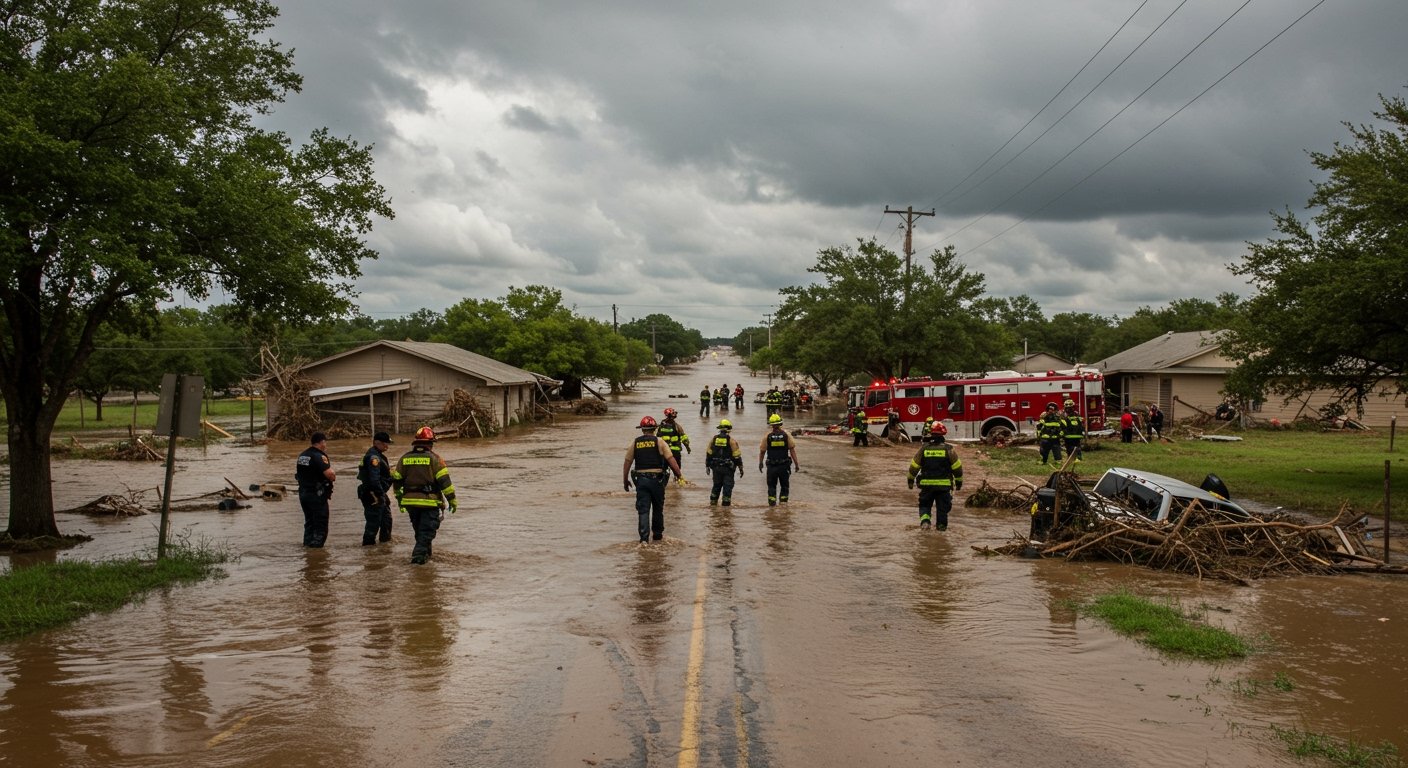
This alleged Iranian action cannot be viewed in isolation. It is set against a backdrop of complex regional dynamics, including the ongoing proxy conflicts, the shifting alliances, and the broader competition for influence in the Persian Gulf. Kuwait and Bahrain, while distinct in their political systems and economic structures, share a commonality in their security dependence on external powers, particularly the United States. Iran, on the other hand, seeks to assert its regional dominance and challenge what it perceives as foreign interference. The targeting of these nations could be an attempt to deter them from further cooperation with the US or to signal a broader rejection of the existing regional security order.
International Ramifications and De-escalation Efforts
Any confirmed act of aggression against Kuwait and Bahrain would undoubtedly draw swift international condemnation. The United States, as a key security partner to both nations, would be under immense pressure to respond. Other regional powers, such as Saudi Arabia and the United Arab Emirates, would also be deeply concerned, potentially leading to increased diplomatic activity and calls for restraint. The international community, including organizations like the United Nations, would likely engage in urgent de-escalation efforts to prevent a wider conflagration. The global economy, heavily reliant on the stable flow of oil from the Persian Gulf, would also be closely watching, with the potential for market volatility if tensions continue to rise.
Historical Context of Regional Tensions
The Persian Gulf has long been a theater of geopolitical tension. The Iran-Iraq War in the 1980s, the first Gulf War in 1991, and numerous smaller incidents have shaped the current security environment. Iran’s strategic objectives, including securing its maritime borders, projecting power, and influencing regional events, have been consistent. However, the methods and targets can shift. The alleged targeting of Kuwait and Bahrain represents a potential new phase in this ongoing strategic competition, moving beyond the immediate vicinity of Iranian waters to directly involve allied nations.
Economic Impact and Energy Security
The Persian Gulf accounts for a significant portion of the world’s oil production and transit. Any disruption to shipping lanes or a rise in regional instability can lead to sharp increases in oil prices, impacting global inflation and economic growth. Kuwait and Bahrain, while not the largest oil producers in the region, are integral to the overall energy security architecture. Their vulnerability highlights the risks associated with geopolitical instability in this vital area. International energy markets would likely react swiftly to any confirmed escalation, potentially leading to supply fears and price surges.
Future Outlook and Predictive Analysis
Looking ahead, the situation remains highly fluid. The de-escalation of tensions will depend on multiple factors: the veracity of the reports, the response of the United States and its allies, and Iran’s strategic calculus. If confirmed, this incident could lead to increased military readiness in the region, a strengthening of US-led security partnerships, and intensified diplomatic efforts to foster dialogue. Conversely, a failure to de-escalate could see a dangerous ratcheting up of tensions, with unpredictable consequences for regional and global security. The role of international diplomacy will be paramount in navigating this complex and volatile landscape, aiming to prevent miscalculation and foster a more stable environment for all parties involved.
FAQ: People Also Ask
What is the significance of the Strait of Hormuz?
The Strait of Hormuz is a vital maritime chokepoint, connecting the Persian Gulf to the Gulf of Oman and the open ocean. Approximately 20-30% of the world’s oil is transported through this narrow waterway, making it critically important for global energy security and international trade. Its strategic location makes it a focal point for geopolitical tensions in the region.
What is the current relationship between Iran and the United States?
The relationship between Iran and the United States is highly adversarial, characterized by deep-seated mistrust and a history of conflict. Diplomatic ties were severed after the 1979 Iranian Revolution, and tensions have persisted through various political and military incidents, sanctions, and regional proxy activities. While there have been occasional diplomatic engagements, such as the negotiation of the Joint Comprehensive Plan of Action (JCPOA) on Iran’s nuclear program, the overall relationship remains deeply strained.
What role do Kuwait and Bahrain play in regional security?
Kuwait and Bahrain are key regional security partners for the United States and other Western allies. Both nations host significant US military facilities, including naval bases and airfields, which are crucial for projecting power and maintaining stability in the Persian Gulf. They also participate in regional security dialogues and military exercises, contributing to the collective defense efforts against shared threats.
What are the potential consequences of increased tensions in the Persian Gulf?
Increased tensions in the Persian Gulf can have severe consequences, including disruptions to global oil supplies, leading to price spikes and economic instability worldwide. There is also a heightened risk of military confrontation, potentially involving major powers, which could have devastating humanitarian and environmental impacts. Regional security alliances could be strained or strengthened, and diplomatic efforts to resolve underlying conflicts might be jeopardized.
How does Iran assert its regional influence?
Iran asserts its regional influence through a multi-faceted strategy that includes developing its military capabilities (particularly its naval and missile forces), supporting proxy groups and allied militias in various countries (such as Hezbollah in Lebanon and Houthi rebels in Yemen), engaging in cyber warfare and disinformation campaigns, and leveraging its diplomatic ties with certain nations. It also seeks to counter the influence of its regional rivals, primarily Saudi Arabia and its allies, and challenges the presence of external powers in the Gulf.