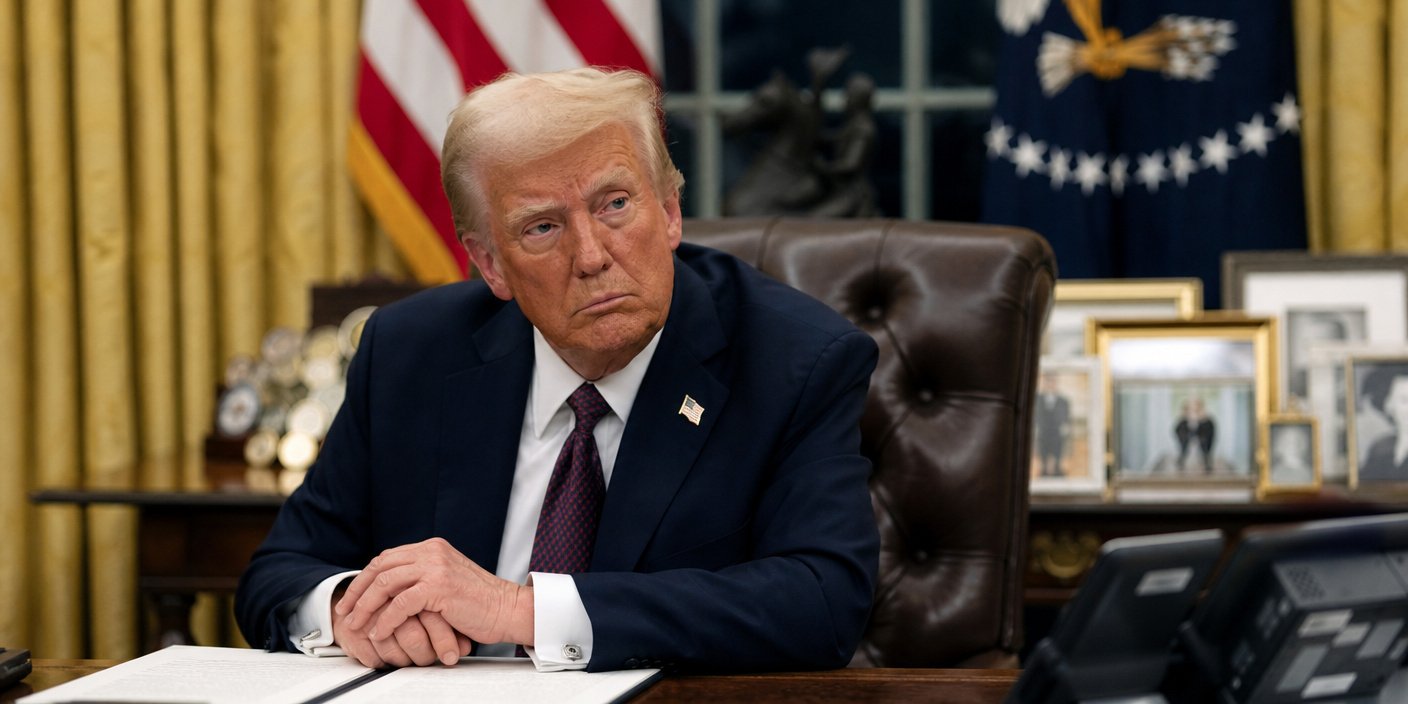
Former President Donald Trump has publicly called for a halt to hostilities between Israel and Hezbollah, suggesting a ceasefire as ongoing diplomatic efforts concerning Iran continue. The statement, made during a period of heightened regional tension, positions Trump as an active voice in foreign policy discussions.
Key Highlights:
- Donald Trump has urged Israel and Hezbollah to cease their attacks.
- The call for a ceasefire is linked to ongoing talks regarding Iran.
- Trump’s statement signals his continued engagement in international relations.
- The appeal comes amidst significant regional instability.
Trump’s Diplomatic Overture Amidst Regional Strife
Donald Trump’s recent intervention advocating for a ceasefire between Israel and Hezbollah marks a significant moment, demonstrating his continued interest and influence in foreign policy matters. The former President’s statement, which ties the proposed cessation of hostilities to the ongoing diplomatic processes involving Iran, highlights a complex geopolitical landscape where multiple conflicts and negotiations intersect. This move by Trump is not just a simple plea for peace but also a strategic positioning that could be interpreted in various ways by regional players and international observers alike.
The Geopolitical Context
The call for a ceasefire occurs at a critical juncture. Tensions between Israel and Hezbollah have historically been volatile, with occasional escalations leading to significant conflict. In the current climate, any increase in hostilities could have far-reaching consequences, potentially drawing in other regional actors and exacerbating existing instability. The mention of Iran in Trump’s statement is particularly noteworthy. Iran’s influence in the region, particularly its support for groups like Hezbollah, makes it a central figure in discussions about Middle Eastern security. Any progress, or indeed lack thereof, in the talks concerning Iran’s nuclear program or its regional activities directly impacts the security calculus of Israel and its neighbors.
Trump’s Foreign Policy Stance
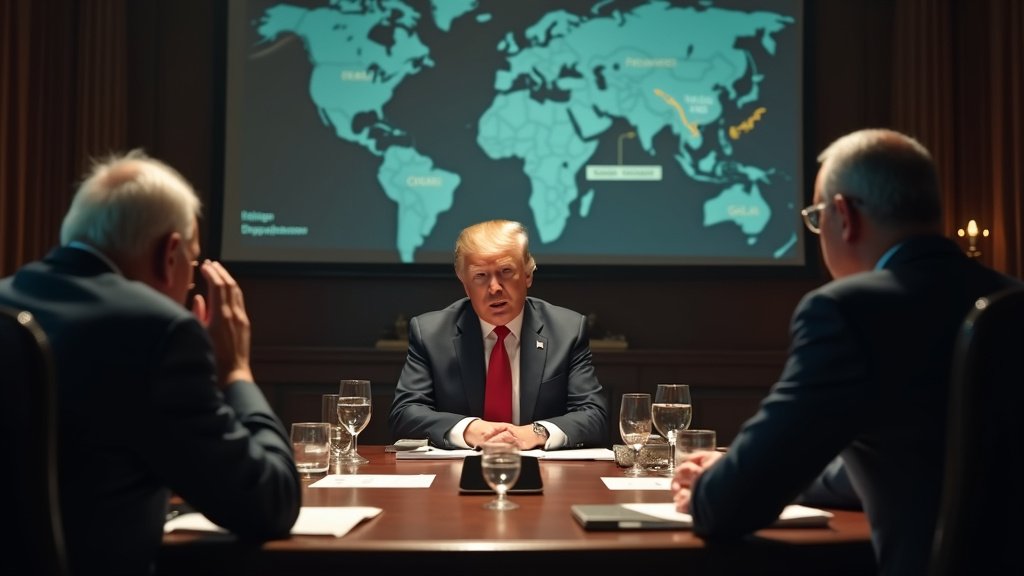


Throughout his presidency, Donald Trump pursued an “America First” foreign policy, often characterized by a transactional approach and a willingness to challenge established diplomatic norms. His administration withdrew from the Iran nuclear deal and imposed significant sanctions, a move that dramatically altered regional dynamics. His current advocacy for a ceasefire, while seemingly a departure from a purely confrontational stance towards Iran, could be interpreted as an attempt to de-escalate a situation that risks undermining broader strategic interests, or perhaps a bid to reassert American influence in a region where its presence is constantly being re-evaluated. The specific nature of the “Iran talks” he references remains somewhat ambiguous, but it implies a belief that a resolution or progress on the Iranian front is intrinsically linked to the cessation of conflict in other areas.
Potential Impact and Repercussions
The effectiveness of Trump’s appeal remains to be seen. Both Israel and Hezbollah are complex entities with their own strategic objectives and domestic considerations. Israel views Hezbollah as a significant security threat, and any cessation of hostilities would need to address its core security concerns. Hezbollah, supported by Iran, operates with its own set of strategic goals, often tied to the broader Iranian agenda. However, in the realm of international diplomacy, public statements from prominent figures can sometimes create leverage or open new avenues for communication. This statement could serve to put pressure on all parties involved to consider de-escalation, or it could be dismissed as political posturing. The reaction from the current US administration and other global powers will also be crucial in determining the impact of Trump’s remarks.
Historical Parallels and Future Outlook
This situation is not unprecedented. Throughout history, various external actors have attempted to mediate or influence conflicts in the Middle East. The success of such interventions often depends on the level of trust, the perceived interests of the mediators, and the willingness of the conflicting parties to engage. Trump’s unique position as a former president with a known track record in foreign policy gives his statements a certain weight, even if he is no longer in office. Looking ahead, the situation underscores the persistent challenges in achieving lasting peace and stability in the Middle East. The interconnectedness of regional conflicts, the role of external powers, and the complex web of alliances and rivalries mean that de-escalation in one area often requires parallel progress in others. Trump’s call for a ceasefire, therefore, highlights the delicate balancing act required in navigating these intricate geopolitical waters.
FAQ: People Also Ask
What is the current relationship between Israel and Hezbollah?
Israel and Hezbollah have a deeply adversarial relationship characterized by mutual distrust and historical conflict. They have engaged in significant military confrontations, most notably the 2006 Lebanon War. Hezbollah, a Shiite political party and militant group based in Lebanon, is heavily supported by Iran and is considered by Israel to be its primary security threat on its northern border. There are frequent exchanges of fire and skirmishes along the Israel-Lebanon border.
What are the ongoing talks concerning Iran?
There are ongoing diplomatic efforts and negotiations involving Iran, primarily centered around its nuclear program. These talks, often referred to as the JCPOA (Joint Comprehensive Plan of Action) talks or related discussions, aim to bring Iran and the US back into compliance with the terms of a nuclear deal, or to negotiate new frameworks. These discussions also touch upon Iran’s regional activities and ballistic missile program, which are of great concern to countries like Israel, Saudi Arabia, and the United States.
What is Donald Trump’s typical approach to foreign policy?
Donald Trump’s foreign policy, often summarized as “America First,” was characterized by a focus on perceived national interests, a transactional approach to diplomacy, and a skepticism towards international agreements and multilateral institutions. His administration prioritized bilateral deals, imposed tariffs, and engaged in direct negotiations, sometimes bypassing traditional diplomatic channels. He also pursued a policy of “maximum pressure” against Iran, withdrawing from the JCPOA and imposing stringent sanctions.
Why are the Iran talks linked to regional conflicts?
Iran plays a significant role in the Middle East through its support for various proxy groups and militias, including Hezbollah in Lebanon, Hamas and Islamic Jihad in Gaza, and Houthi rebels in Yemen. These groups often engage in actions that destabilize the region and create tensions with countries like Israel and Saudi Arabia. Therefore, discussions about Iran’s nuclear program or its regional influence are intrinsically linked to the broader stability and security of the Middle East. Any resolution or change in Iran’s policies could have a ripple effect on these proxy conflicts.
What does a “ceasefire” entail in this context?
In the context of the Israeli-Hezbollah conflict, a ceasefire would typically mean a formal agreement or understanding to halt all military operations, including rocket fire, airstrikes, ground incursions, and any other hostile acts. This would involve an immediate cessation of violence, often with the aim of de-escalating tensions and creating space for further diplomatic negotiations or a more permanent resolution. International bodies or third-party mediators often play a role in monitoring and enforcing such agreements.