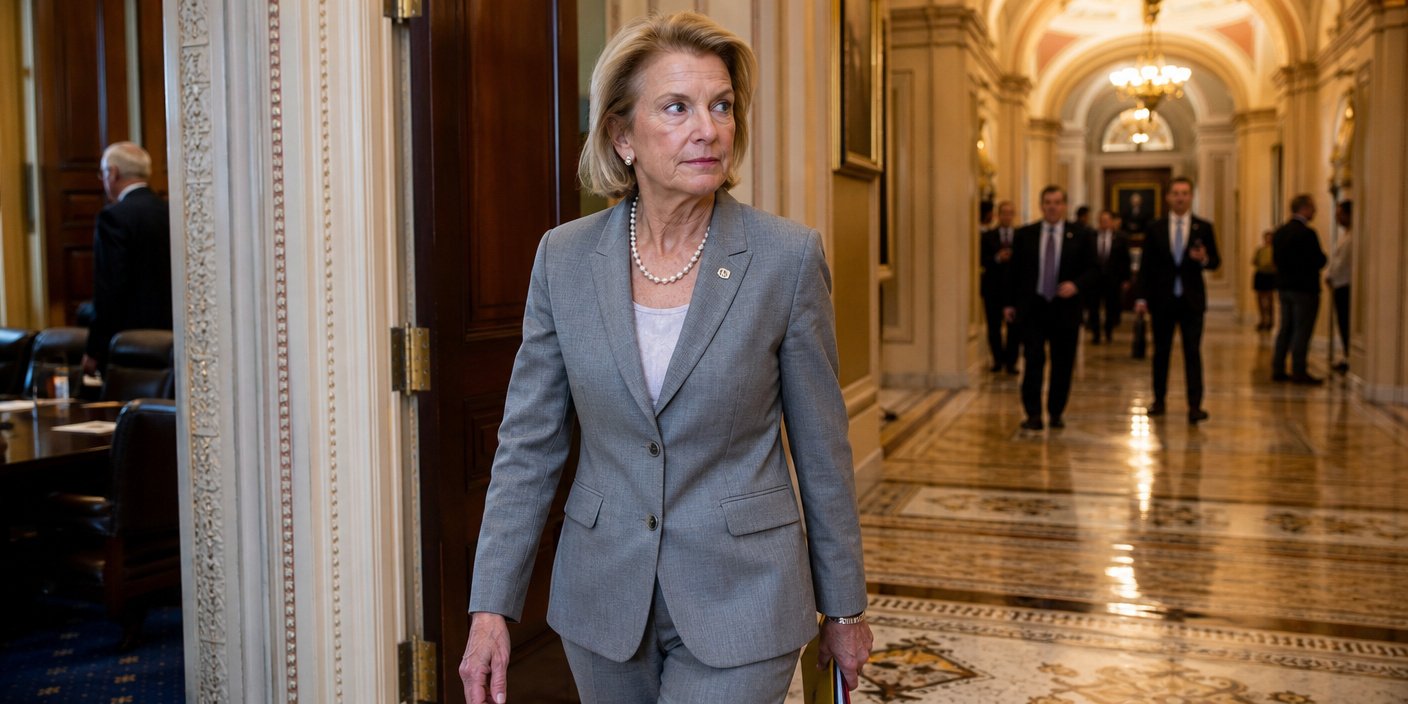

The sudden withdrawal of Pam Bondi as Donald Trump’s nominee for Attorney General has sent shockwaves through Washington, marking a significant recalibration in the president-elect’s approach to the Department of Justice. Bondi, a long-time loyalist and former Florida Attorney General, had been viewed as a steadfast defender of Trump’s agenda. Her sudden removal from consideration suggests that the transition team is prioritizing a different profile or strategic alignment for the crucial role of the nation’s top law enforcement official. This development occurs at a sensitive juncture, with the incoming administration eager to cement its vision for the federal legal apparatus before taking power.
Political analysts are closely monitoring the fallout, as Bondi’s selection was initially touted as a move to bring someone with deep experience and unwavering personal loyalty to the helm of the DOJ. By reversing course, Trump introduces a layer of uncertainty regarding who will lead the department during his upcoming term. The search for a replacement is expected to be swift, as the clock continues to tick toward the inauguration date, leaving little room for a prolonged selection process. The pressure is mounting to find a candidate who can navigate the complexities of Senate confirmation while simultaneously aligning with the aggressive reformist goals touted by the Trump transition team.
Implications for the Department of Justice
What does this change mean for the future of the Department of Justice? For many observers, the answer lies in the specific policy goals and investigative priorities that the next Attorney General will be expected to pursue. Bondi was widely perceived as someone who would aggressively target perceived biases within the federal bureaucracy and lean into the administration’s stated goals regarding legal oversight. The pivot away from her nomination may indicate a desire for a different approach—perhaps one centered on broader institutional restructuring or, conversely, a more conventional candidate intended to soothe nerves on Capitol Hill.
Regardless of who ultimately fills the seat, the DOJ remains the central battleground for the incoming administration. The department, which oversees everything from immigration policy and criminal justice to national security and civil rights enforcement, is currently a focal point for intense political scrutiny. The replacement will likely have to hit the ground running, tasked with managing massive personnel shifts and setting the tone for the entire legal arm of the executive branch. The transition team’s decision to bypass Bondi suggests that they are not merely looking for a loyalist, but specifically for a tactical fit that aligns with the immediate objectives of the new administration.
The Path Forward for Trump’s Nominee
As the search for a new Attorney General nominee intensifies, the political landscape remains highly charged. The Senate confirmation process will undoubtedly be a contentious affair, as both parties prepare for a debate over the scope and authority of the DOJ. Trump’s ability to successfully install a new pick will hinge on his political capital within the Senate and the ability of his candidate to withstand public and legal scrutiny. For the administration, the goal remains unchanged: to implement a transformative agenda that reflects the mandate of the voters, with the Department of Justice serving as the primary vehicle for that transformation. As the political maneuvering continues, the focus remains firmly on whom Trump will choose to replace Bondi and how that choice will reshape the legal landscape for the years ahead.