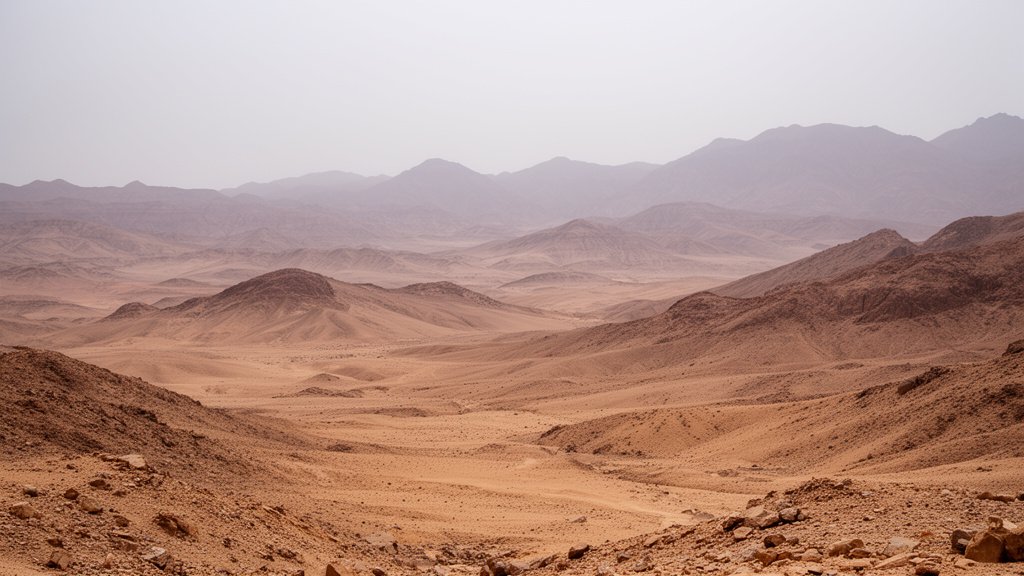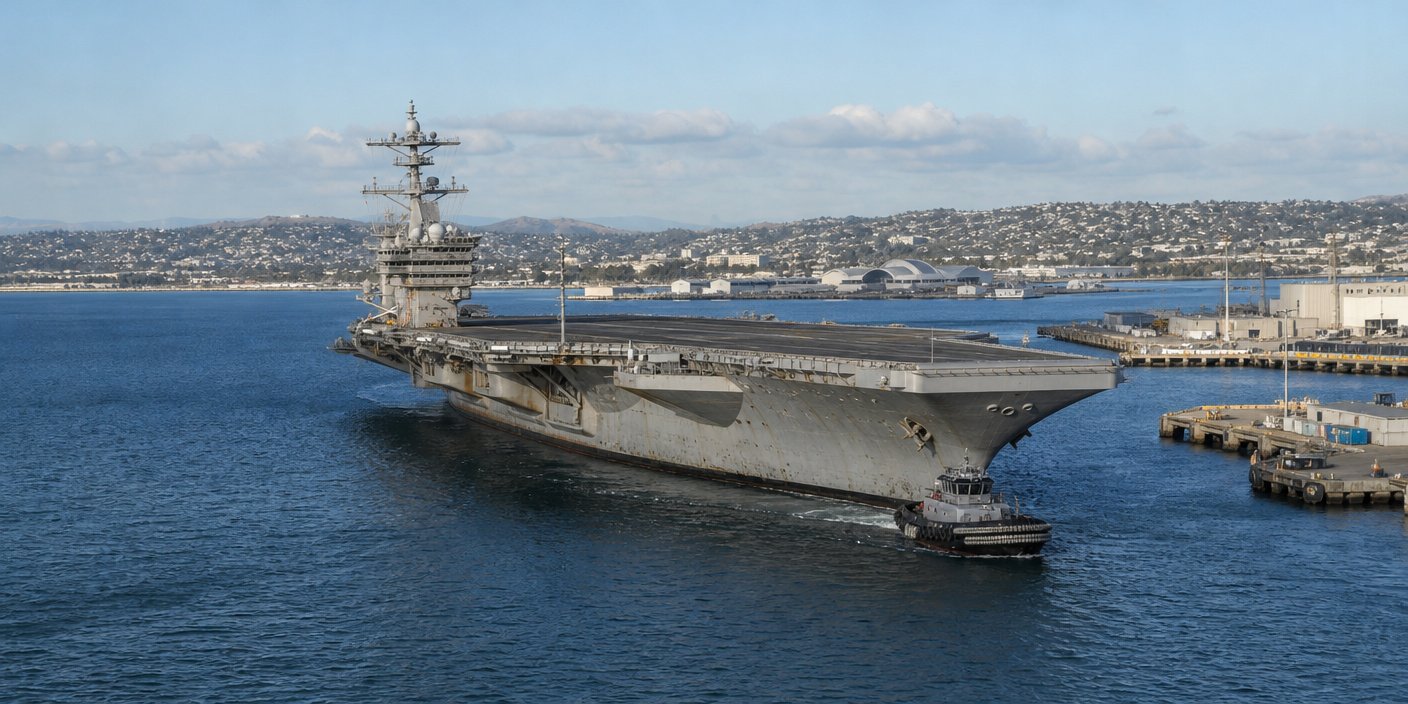
In a significant escalation of the ongoing regional conflict, joint US-Israeli strikes targeted a quay at the Iranian port city of Bandar Khamir on Sunday, March 29, 2026. According to Iranian state media, including the official IRNA news agency, the attack resulted in five deaths and left four others injured. The strike, characterized by Iranian authorities as a “criminal attack” by the “American-Zionist enemy,” marks a volatile new development in the vicinity of the strategic Strait of Hormuz—a crucial maritime chokepoint for global energy supplies.
Escalation Near Vital Energy Chokepoints
The Strait of Hormuz remains the focal point of this heightened military activity. For weeks, the region has been trapped in a precarious deadlock, with ongoing threats to shipping lanes and global oil markets. The strike at Bandar Khamir in Hormozgan province underscores the expanding scope of the military campaign, as US and Israeli forces intensify their focus on Iranian infrastructure. Military analysts suggest this move is intended to further degrade Tehran’s ability to project power or obstruct maritime traffic in the Gulf, though the proximity of the strike to such a vital waterway has sparked acute concerns about the potential for broader regional destabilization.
The Context of ‘Operation Epic Fury’
This latest incident occurs against the backdrop of a massive, ongoing military operation, designated as ‘Operation Epic Fury,’ which commenced in late February 2026. This joint campaign has systematically targeted Iran’s military, nuclear, and leadership infrastructure. While earlier phases focused on ballistic missile production facilities and command-and-control centers in and around Tehran, the recent targeting of maritime infrastructure in Hormozgan signals a tactical shift toward cutting off the regime’s logistical capabilities near the coast. The campaign has continuously pushed regional security to the brink, with secondary conflicts involving Iranian-backed militias and Houthis in Yemen adding layers of complexity to the defensive and offensive strategies employed by the US and Israel.
Global and Regional Repercussions
The impact of the conflict extends far beyond the Iranian border, influencing international energy markets and forcing a realignment of security postures across the Middle East. With reports of accompanying strikes against industrial targets in Bahrain and the UAE, attributed by Iranian Revolutionary Guards to retaliatory actions, the conflict is increasingly defined by cross-border reprisals. International observers remain deeply concerned that the consistent erosion of the status quo in the Persian Gulf will lead to unforeseen, catastrophic consequences for global trade. As the military pressure mounts, the international community watches closely to see if Tehran will attempt to escalate further or if the cumulative toll of the ongoing campaign will force a change in the regime’s strategic calculations.