The United States has presented a 15-point plan to Iran aimed at achieving a ceasefire in the ongoing conflict. However, official Iranian military sources have dismissed the diplomatic overture, stating that Washington is in no position to negotiate. This rejection comes as Iran’s military continues its aggressive actions, including attacks on Israel and the Gulf region, with one assault reportedly causing a fire at Kuwait International Airport.
The U.S. initiative was reportedly conveyed to Iran through intermediaries from Pakistan, who have also offered to host potential future negotiations. The proposal’s details, as described by Pakistani officials, broadly touch upon sanctions relief, civilian nuclear cooperation, a rollback of Iran’s nuclear program, monitoring by the International Atomic Energy Agency, missile limits, and ensuring access for shipping through the Strait of Hormuz.
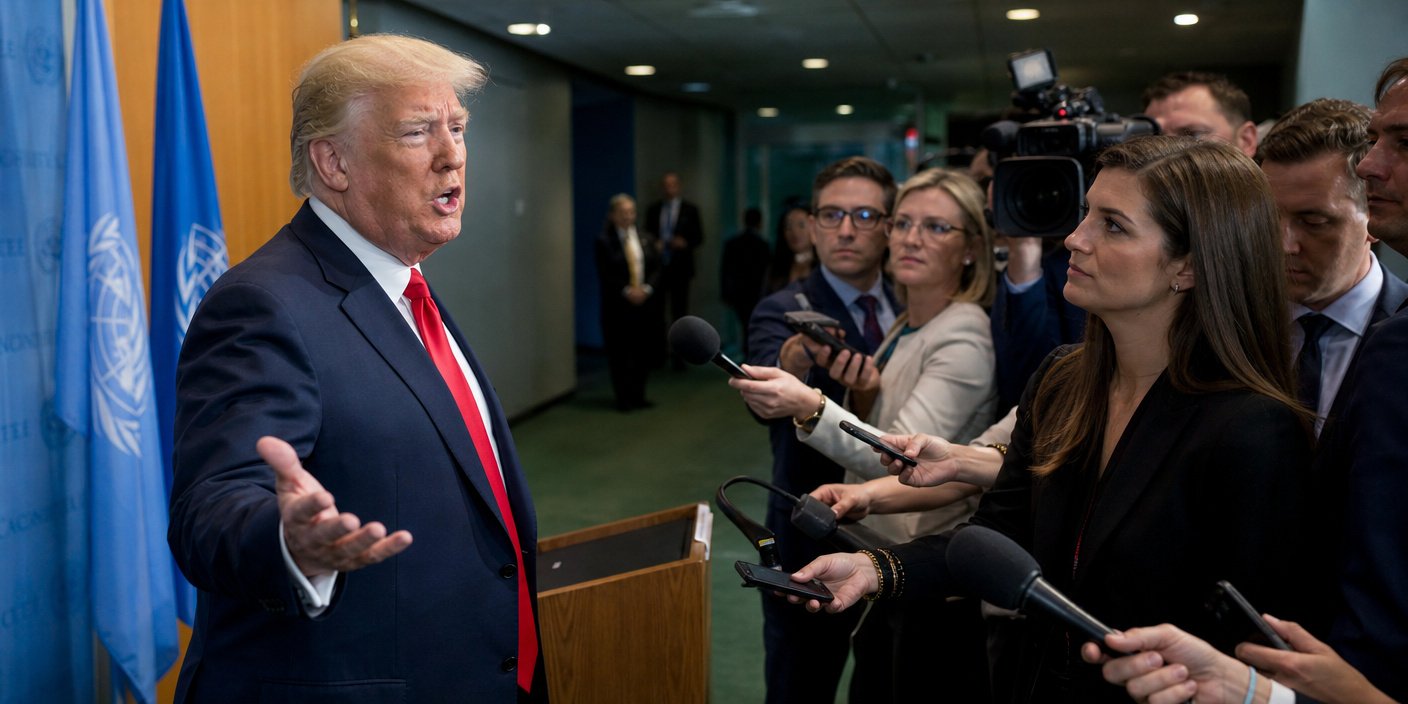
Despite the U.S. diplomatic efforts, Iran’s military, through its Khatam Al-Anbiya Central Headquarters, has characterized the situation as the U.S. “negotiating with itself”. Lieutenant Colonel Ebrahim Zolfaghari, a spokesperson for the headquarters, stated, “Our first and last word has been the same from day one, and it will stay that way: Someone like us will never come to terms with someone like you,” emphasizing Iran’s continued stance against negotiation. This defiant tone from Tehran contrasts with statements from U.S. President Donald Trump, who had previously suggested that talks with Iran were yielding progress.




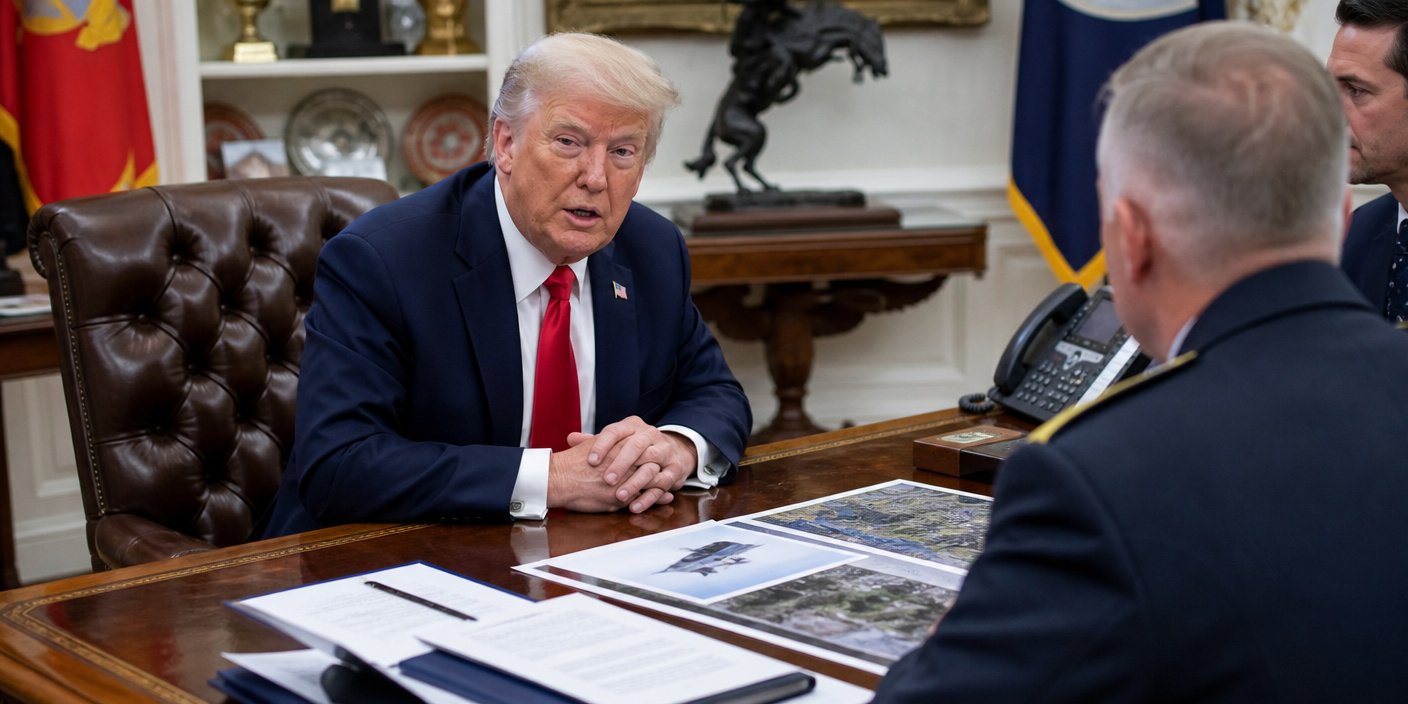
The geopolitical tension is further amplified by the U.S. military’s strategic movements. At least 1,000 troops from the 82nd Airborne Division are being deployed to the Middle East, supplementing an existing contingent of Marines and thousands of sailors. These deployments are framed as maneuvers to provide the U.S. with “max flexibility” in its response.
The ongoing conflict has already had significant global economic repercussions. Iran’s control over the Strait of Hormuz, a vital global oil shipping route, has led to skyrocketing oil prices and widespread market fears of an energy crisis.
Geopolitical Stalemate Amidst Military Buildup
The situation presents a complex geopolitical stalemate, with diplomatic channels appearing strained by mutual distrust and escalating military actions. Iran’s consistent denial of any negotiations, coupled with its continued attacks, underscores a deep-seated skepticism towards U.S. intentions, particularly given past incidents under the Trump administration. The U.S. military deployments, while presented as maintaining flexibility, could also be interpreted as a signal of readiness for continued or intensified conflict should diplomatic avenues remain closed.
Iran’s Military Stance and Diplomatic Rejection
Iran’s military leadership has been explicit in its rejection of U.S. negotiation claims. The spokesperson for the Khatam Al-Anbiya Central Headquarters has publicly mocked the U.S. diplomatic efforts, suggesting that Washington is engaging in internal dialogue rather than genuine negotiation. This hardline stance suggests that any proposed ceasefire or peace deal would require significant shifts in either Iran’s or the U.S.’s fundamental positions, or a substantial change in the on-the-ground dynamics of the conflict.
Economic Ramifications of Regional Instability
The persistent conflict and Iran’s actions in the Strait of Hormuz continue to pose a significant threat to global energy markets. The disruption of oil shipments has already led to substantial price increases, and fears of a wider energy crisis persist, impacting economies worldwide. The economic fallout adds another layer of urgency to the need for de-escalation and a resolution.
FAQ: People Also Ask
What is the U.S. proposal for a ceasefire with Iran?
The U.S. has reportedly offered a 15-point plan to Iran for a potential ceasefire. The plan is said to address issues such as sanctions relief, Iran’s nuclear program, missile limitations, and maritime access through the Strait of Hormuz.
How has Iran responded to the U.S. ceasefire plan?
Iran’s military has largely dismissed the U.S. proposal, with military spokespersons stating that Washington is not in a position to negotiate and mocking the diplomatic efforts. Iran has consistently denied engaging in negotiations with the U.S..
What is the U.S. military doing amid these diplomatic efforts?
While diplomatic efforts are underway, the U.S. is also increasing its military presence in the Middle East. This includes the deployment of additional troops from the 82nd Airborne Division and Marine units.