The question of whether America engaged in actions akin to German conduct in 1918 looms large, prompting critical examination of modern military conduct. This inquiry delves into contemporary debates within the US Military Law, specifically concerning the grave issue of obeying illegal orders and drawing parallels to past atrocities. These discussions carry immense weight, echoing the profound lessons of history and the critical importance of adherence to the principles of US Military Law.
A Shadow from the Past: German Actions and War Crimes

In 1918, Germany faced profound accusations of grave war crimes, most notably the horrific events that became known as the “Rape of Belgium.” German troops committed brutal acts, including the burning of towns and the killing of civilians, alongside widespread rape and reprisals. These actions starkly violated international norms and principles of warfare. The Treaty of Versailles later sought to address these transgressions, holding leaders accountable for aggression and condemning practices like unrestricted submarine warfare. These historical events left a lasting scar, underscoring the devastating cost of unchecked military power and the absolute necessity of upholding US Military Law.
America’s 2025 Dilemma: Adhering to the Law of War
The United States military operates under a comprehensive framework of rules and regulations, with its Law of War Manual serving as a cornerstone document. This manual explicitly prohibits certain actions, such as ordering hostilities on the basis that there shall be no survivors. It provides clear guidance to military personnel, defining what constitutes illegal orders and emphasizing the duty to refuse them. This crucial principle of US Military Law is deeply rooted in historical experience and was significantly reinforced by landmark legal proceedings. The Nuremberg Trials, for instance, established critical precedents regarding subordinate liability, making it clear that acting on superior orders is not a valid defense if the order is clearly unlawful. These timeless lessons remain profoundly relevant and apply to all contemporary conflicts, shaping the ethical landscape of US Military Law.
The Venezuela Incident: A Trending Story and Legal Scrutiny
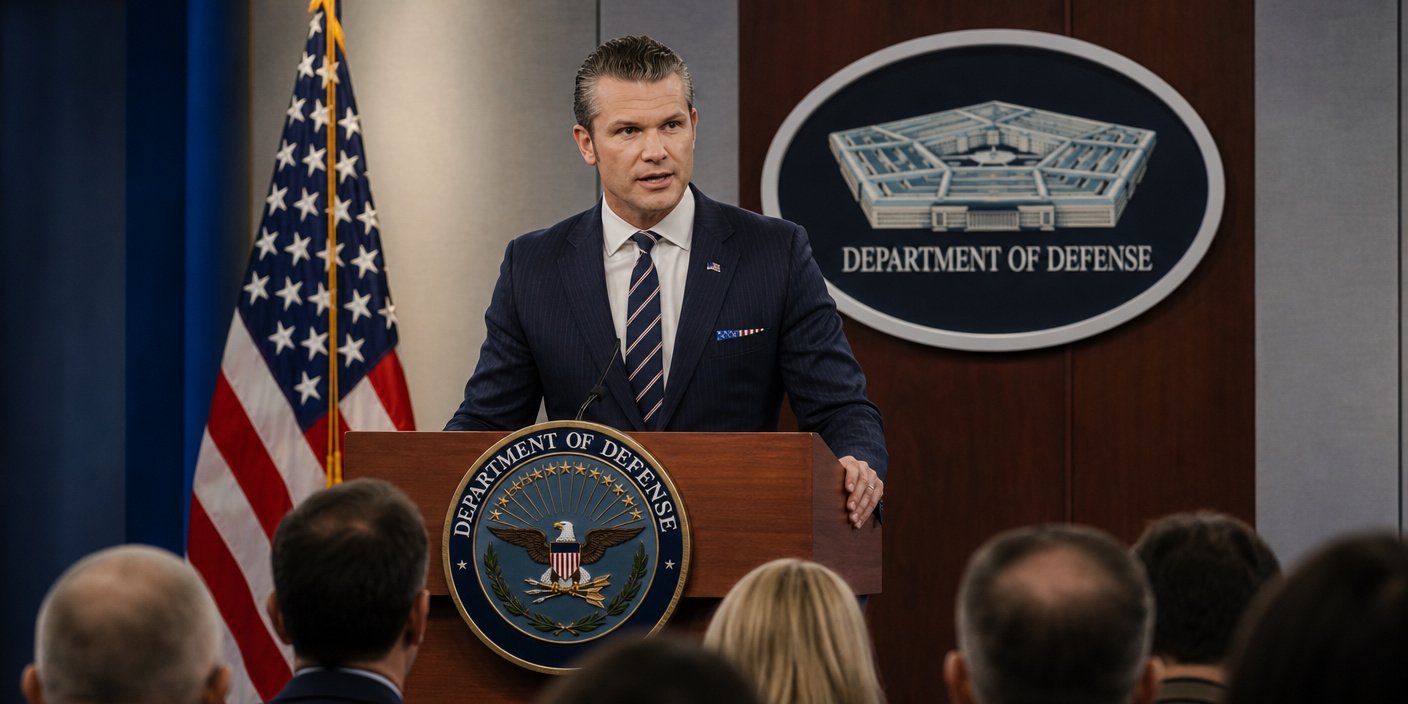
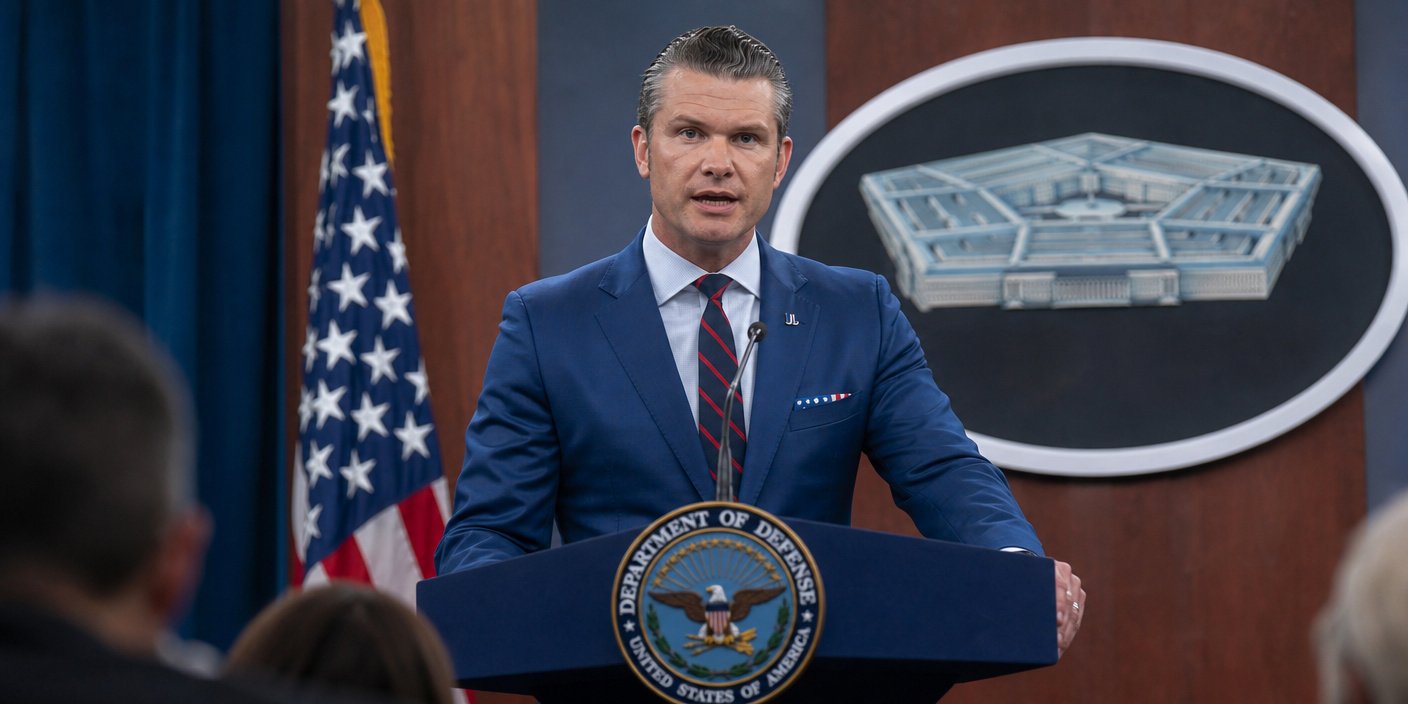
Recent events in 2025 involving US military strikes near Venezuela have ignited controversy, particularly concerning alleged actions against drug traffickers. The Pentagon’s conduct during these operations is now under intense scrutiny. One particularly troubling incident involved a second missile strike that reportedly hit survivors of an initial attack, with reports suggesting an order to “kill everybody.” While then-Defense Secretary Pete Hegseth and Admiral Frank “Mitch” Bradley, who commanded the mission, stated they received no explicit “kill them all” order, witness accounts and subsequent reports paint a different picture. Many described the survivors as helpless, clinging to a disabled boat. These accounts, widely trending, raise serious ethical questions and prompt a critical review under US Military Law. Lawmakers who viewed video footage of the strike found it disturbing and questioned its legality. Experts have pointed out that the Law of War Manual clearly prohibits firing on shipwrecked individuals, labeling such acts as potential murder and highlighting a critical point of contention in military accountability.
Lessons from Nuremberg: The Imperative of Military Accountability
History offers stark warnings and invaluable lessons, particularly from the Nuremberg Trials, which were pivotal in prosecuting war crimes. A core principle firmly established was that superior orders do not absolve individuals of responsibility; subordinates have a legal and moral obligation to refuse illegal commands. This responsibility rests squarely on the individual soldier, who must recognize when an order is unlawful. The Law of War Manual provides clear examples, such as firing on survivors, which are unequivocally illegal and can lead to severe prosecution. This robust legal framework is designed to prevent future atrocities and ensure stringent military accountability for any violations of US Military Law.
Upholding the Law: A Constant Struggle for Justice
The question of whether America’s actions in 2025 mirrored those of Germany in 1918 is complex, highlighting the enduring challenges faced by military forces. The temptation for disproportionate or harsh measures can arise, making historical parallels crucial guides. The US military bears a solemn duty to uphold the law of war, and open debates surrounding controversial incidents are vital for transparency and reinforcing ethical standards. Protecting civilians and respecting the law are paramount objectives that must guide any just military force. The ongoing narratives surrounding such events demand continuous attention and must actively shape future conduct. The principle that ensuring no survivors is an illegal act must remain crystal clear within the tenets of US Military Law, reinforcing the importance of military accountability and the solemn adherence to the Law of War Manual.