WASHINGTON D.C. – In a day marked by significant diplomatic overtures and domestic political crisis, President Donald Trump announced a comprehensive 20-point peace proposal for Gaza on September 29, 2025, while the United States teetered on the brink of a government shutdown. The dual developments underscore a complex and rapidly evolving landscape, both internationally and within American borders.
Trump’s Ambitious Gaza Peace Initiative
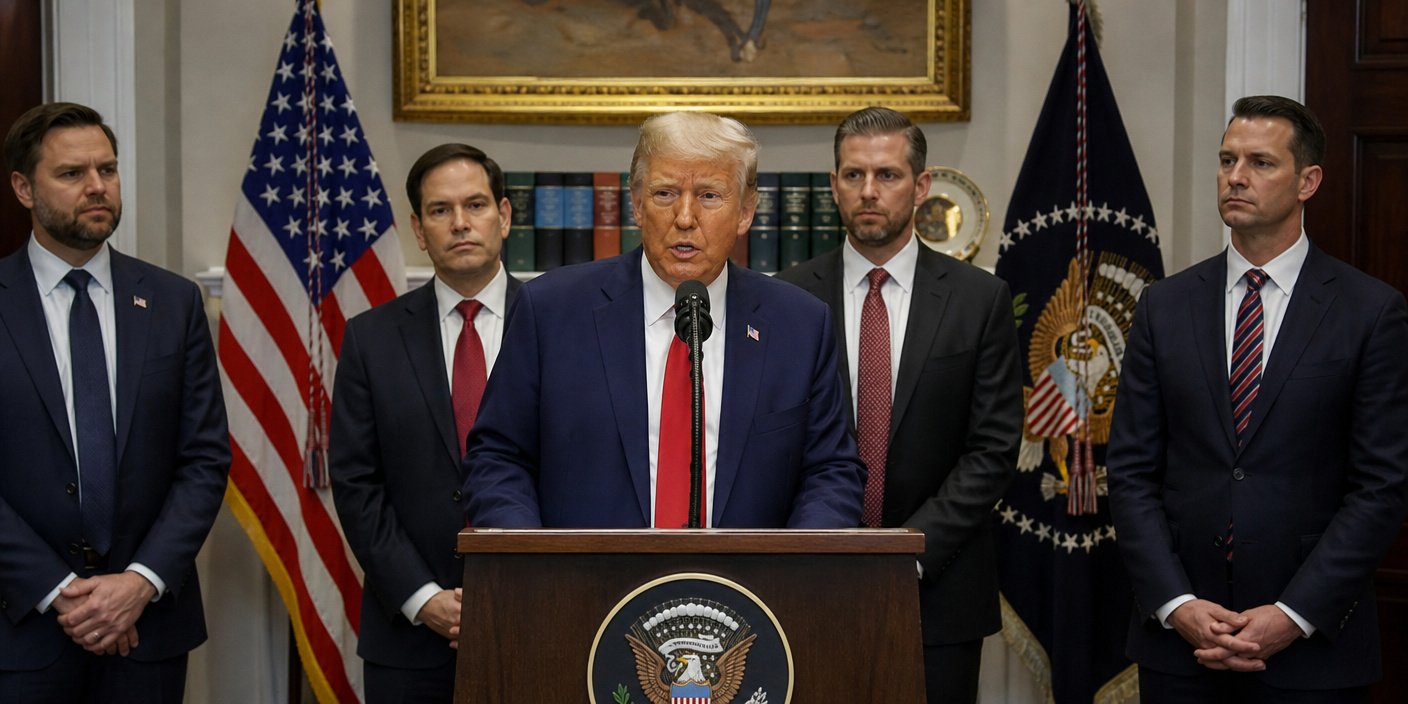
President Trump, alongside Israeli Prime Minister Benjamin Netanyahu at the White House, presented what he termed a “historic day for peace.” The 20-point plan aims to resolve the protracted conflict in Gaza and includes an immediate ceasefire. A critical component of the proposal is the release of Israeli hostages within 72 hours of Israel publicly accepting the deal. In exchange, Israel would release 250 Palestinian prisoners serving life sentences and an additional 1,700 Gazans detained since the conflict began on October 7, 2023. For each Israeli hostage body returned, Israel would release 15 deceased Palestinian bodies.
The proposal envisions Gaza being governed by a temporary transitional Palestinian committee of technocrats, overseen by an international “Board of Peace.” This board would be chaired by President Trump himself, with former British Prime Minister Tony Blair slated as a member. Hamas would be required to disarm and play no future role in governance, with amnesty offered to members who commit to peaceful coexistence. The plan also establishes a “trilateral mechanism” involving the U.S., Israel, and Qatar to facilitate dialogue.



While Prime Minister Netanyahu expressed support for the plan, stating it aligns with Israel’s war aims, Hamas has not yet officially responded, indicating they are reviewing the proposal. President Trump issued an ultimatum, giving Hamas “three or four days” to respond and warning of severe consequences if they refused, stating Israel would have “full backing to do what you have to do”.
International reactions have been mixed. Many Arab and Muslim nations, including Saudi Arabia, Jordan, the UAE, Pakistan, Turkey, and Egypt, issued a joint statement welcoming Trump’s “sincere efforts”. European leaders, such as French President Emmanuel Macron and German Chancellor Friedrich Merz, also signaled support, calling it a significant opportunity. However, skepticism persists from some Palestinians in Gaza, who question the plan’s realism and the absence of direct negotiations with Hamas. Israeli far-right ministers have also criticized the proposal as a “resounding diplomatic failure”.
Looming Government Shutdown Threatens Federal Operations
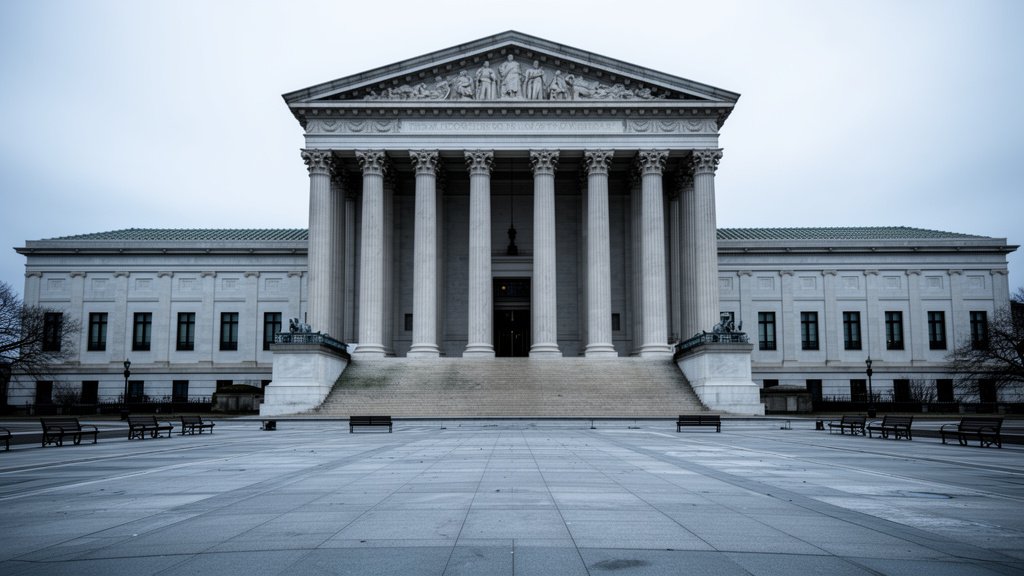
Simultaneously, the United States federal government faced an imminent shutdown as Congress failed to agree on a spending bill before the midnight deadline on September 30, 2025. The impasse centers on fundamental disagreements between Democrats and Republicans, particularly concerning healthcare policy. Democrats are demanding an extension of enhanced Affordable Care Act (ACA) premium tax credits, which are set to expire at the end of the year, arguing that their expiration will lead to significant premium hikes and leave millions uninsured.
Republicans, who control both the House and Senate, have largely resisted attaching these healthcare provisions to a short-term funding bill, stating that such policy debates should be addressed separately once the government is open. This deadlock has led to partisan recriminations, with Democrats accusing Republicans of “risking America’s healthcare” and Republicans blaming Democrats for “hostage-taking”.
If a funding agreement is not reached, federal agencies will cease non-essential operations. Hundreds of thousands of federal employees, deemed “non-essential,” will be furloughed without pay. Essential personnel, including military personnel, law enforcement, and TSA agents, will continue to work but will not receive immediate compensation, with back pay typically provided retroactively once a shutdown ends. Air traffic control and national parks are also expected to face disruptions. This shutdown would be the first since the extended closure in late 2018 and early 2019.
Other Trending Stories Shaping the American Narrative
The nation is also grappling with other significant and trending stories that highlight ongoing societal challenges. In Southport, North Carolina, a decorated Marine veteran, Nigel Edge, is accused of a targeted attack on a waterfront bar, resulting in three fatalities and several injuries. Separately, in Grand Blanc, Michigan, a veteran, Thomas Jacob Sanford, drove a vehicle into a Latter-day Saints church, started a fire, and was killed by responding officers. The FBI is investigating this incident as an act of targeted violence, with four fatalities and multiple injuries reported. These incidents add to the complex tapestry of american news, underscoring broader concerns about veteran support and public safety.
As the nation navigates these multifaceted crises, the outcome of both the Gaza peace proposal and the government funding debate remains uncertain, presenting significant challenges for the administration and the public alike.