The U.S. military conducted a strike. This strike hit a vessel in the Eastern Pacific Ocean. It happened on Sunday, March 9, 2026. Six individuals died in the operation. The military alleged the boat was smuggling drugs. This action is part of a larger campaign. The Trump administration targets suspected traffickers. It represents an escalating U.S. strategy. This story involves complex geopolitical issues.
The Incident and Its Immediate Aftermath
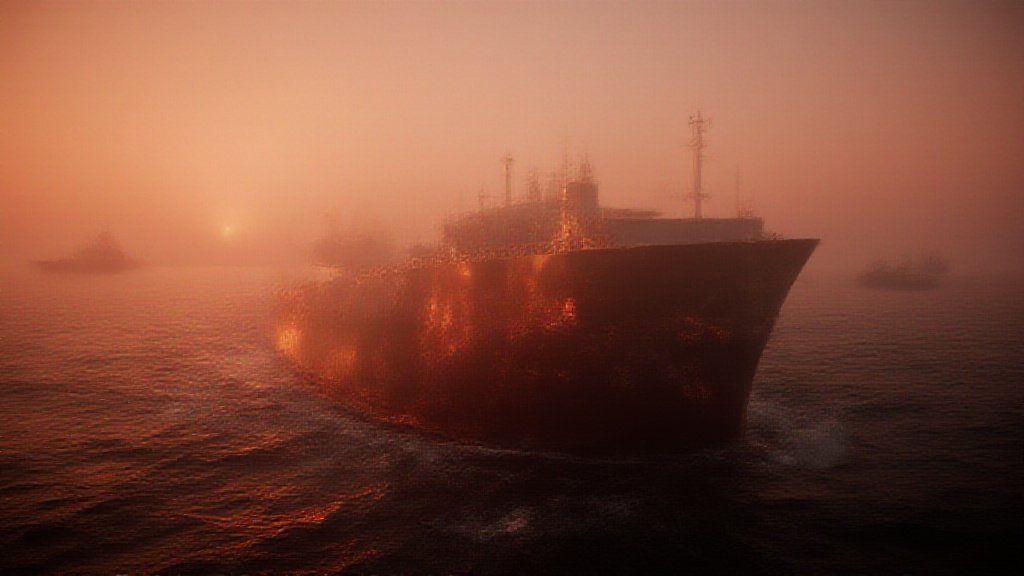
The recent strike occurred on a Sunday. Military sources reported the vessel was involved in drug smuggling. U.S. Southern Command (SOUTHCOM) made the announcement. They stated the operation targeted known smuggling routes. The military posted a video. It showed a small boat exploding on the water. This footage was shared on X. However, the military has not offered evidence. The evidence proving the boat carried drugs remains unreleased. No American military personnel were reported harmed. This incident is one in a series.
A Campaign of Escalating Strikes


This latest attack raises the death toll. It brings the total to at least 157 people. These operations began in early September. The administration calls those targeted ‘narcoterrorists’. This campaign involves numerous strikes. At least 43 attacks have occurred. These strikes took place in the Eastern Pacific. They also occurred in the Caribbean Sea. The military’s approach has drawn scrutiny. It contrasts sharply with other methods.
Presidential Justification and ‘Armed Conflict’
President Trump views this situation differently. He calls it an “armed conflict.” This conflict is with cartels in Latin America. He believes these actions are necessary. They aim to stop drug flow into the U.S. His administration justifies the escalations. They seek to curb illegal narcotics. Mr. Trump met with Latin American leaders. He urged them to join U.S. military action. He described cartels as an “unacceptable threat.” This highlights a focus on the Western Hemisphere. It shows a commitment to regional policy.
Questions of Legality and Effectiveness
Critics have raised serious concerns. They question the strikes’ legality. They also doubt their overall effectiveness. Fentanyl is a major drug issue. It causes many fatal overdoses. This drug often travels overland. It comes from Mexico. Its precursors are imported from China and India. This raises questions about targeting maritime vessels. Past incidents have fueled controversy. Survivors of an initial strike were killed later. This happened in a follow-up attack. Legal experts and some lawmakers called this murder. Others deemed it a war crime. The administration maintained its actions were legal. They also called them necessary.
Evidence and Identity Concerns
Administration officials have admitted something. They do not always know identities. This applies to people on vessels before striking. Strikes proceed based on intelligence. This intelligence links vessels to cartels. It also links them to criminal groups. This is a key point for critics. The lack of publicly available evidence is notable. It fuels debates about due process. It also raises questions about misidentification. The military has not always substantiated claims. The vessels were merely “alleged” to be smuggling drugs. Such claims lack independent verification.
A Different Approach: Interdiction Operations
Not all U.S. counter-narcotics efforts are lethal. The U.S. Coast Guard runs operations too. Operation Pacific Viper is one example. It operates in the Eastern Pacific. This operation focuses on interdiction. Coast Guard ships intercept vessels. They board them to seize drugs. They also detain smugglers. This approach differs significantly. It aims to stop drugs before they reach American shores. It results in arrests, not deaths. For instance, the Coast Guard seized thousands of pounds of cocaine. They arrested dozens of suspected smugglers. This highlights a dual strategy. One strategy is kinetic. The other is law enforcement-based.
Broader Counter-Narcotics Strategy
The U.S. declares drugs a clear danger. A “war on drugs” has been waged for decades. Early efforts focused on land routes. Smugglers then turned to the sea. They used hard-to-detect ships. They gambled on vast ocean expanses. The U.S. military and Coast Guard responded. They now monitor maritime transit routes. U.S. Southern Command oversees this. They use intelligence and interagency support. Joint Task Force South plays a role. Its mission is detecting and monitoring. Operations shift to law enforcement when imminent. The U.S. seeks to prevent drug flow. It aids other countries too. This prevents drugs from leaving their origin. It is a complex, ongoing story.
Conclusion
The U.S. military’s strike on Sunday marks another incident. Six lives were lost in the Eastern Pacific. This follows a pattern of operations. These operations began in early September. The campaign targets alleged drug traffickers. President Trump labels it an “armed conflict.” Critics question the methods. They cite lack of evidence. They also point to high death tolls. Alternative strategies like interdiction exist. They focus on arrests rather than lethal force. The debate continues. It concerns effectiveness and legality. This ongoing story impacts U.S. policy. It also affects international relations. The top U.S. officials are monitoring this. This American story remains highly charged.