WASHINGTON D.C. – October 22, 2025 – The political landscape is dominated today by a flurry of high-stakes diplomatic maneuvers and domestic developments, as Vice President J.D. Vance spearheads efforts to stabilize a fragile Gaza ceasefire while UN experts issue stern warnings regarding U.S. actions in Venezuela. Adding to the day’s significant news, a planned summit between President Trump and Russian President Vladimir Putin has been put on hold, and the historic White House is slated for a major structural alteration. The first half of 2025 has also been marked by record-breaking weather disaster costs, underscoring ongoing climate concerns.
U.S. Pushes for Gaza Ceasefire Durability Amidst Hostage Returns
Vice President J.D. Vance stated on October 22, 2025, that Hamas must disarm as a critical component of the U.S.-backed ceasefire plan, issuing a warning of severe repercussions should the group fail to comply. Vance met with Israeli President Isaac Herzog in Jerusalem to discuss the strategic next steps for President Trump’s comprehensive peace initiative in the Middle East. This marks a pivotal moment in the ongoing efforts to secure lasting peace in the region, building upon a plan that was formally introduced in late September.
The current ceasefire, which has seen a precarious stability, has also been marked by the return of deceased hostages. Hamas returned the bodies of two more individuals on Monday evening, October 20, bringing the total number of deceased hostages whose remains have been repatriated to 15 under the current truce. This follows earlier exchanges, with a significant release of 166 living hostages and the recovery of 85 deceased hostages having been facilitated through various agreements since the conflict’s inception. U.S. envoys, including Special Envoy Steve Witkoff and White House advisor Jared Kushner, have been actively engaged on the ground, working to bolster the ceasefire and discuss its subsequent phases.
Vice President Vance emphasized that the U.S. seeks a partnership with Israel, not a “vassal state,” and expressed optimism about the ceasefire holding. He detailed plans for an “international security force” intended to maintain peace in Gaza following an Israeli withdrawal, noting that countries like Turkey, Indonesia, Germany, Denmark, and Jordan are being considered for contributions. Vance acknowledged the immense challenge ahead, stating, “We have a very, very tough task ahead of us, which is to disarm Hamas but rebuild Gaza, to make life better for the people of Gaza, but also to ensure that Hamas is no longer a threat to our friends in Israel”.
UN Experts Condemn U.S. Strikes in Venezuela as International Law Breach
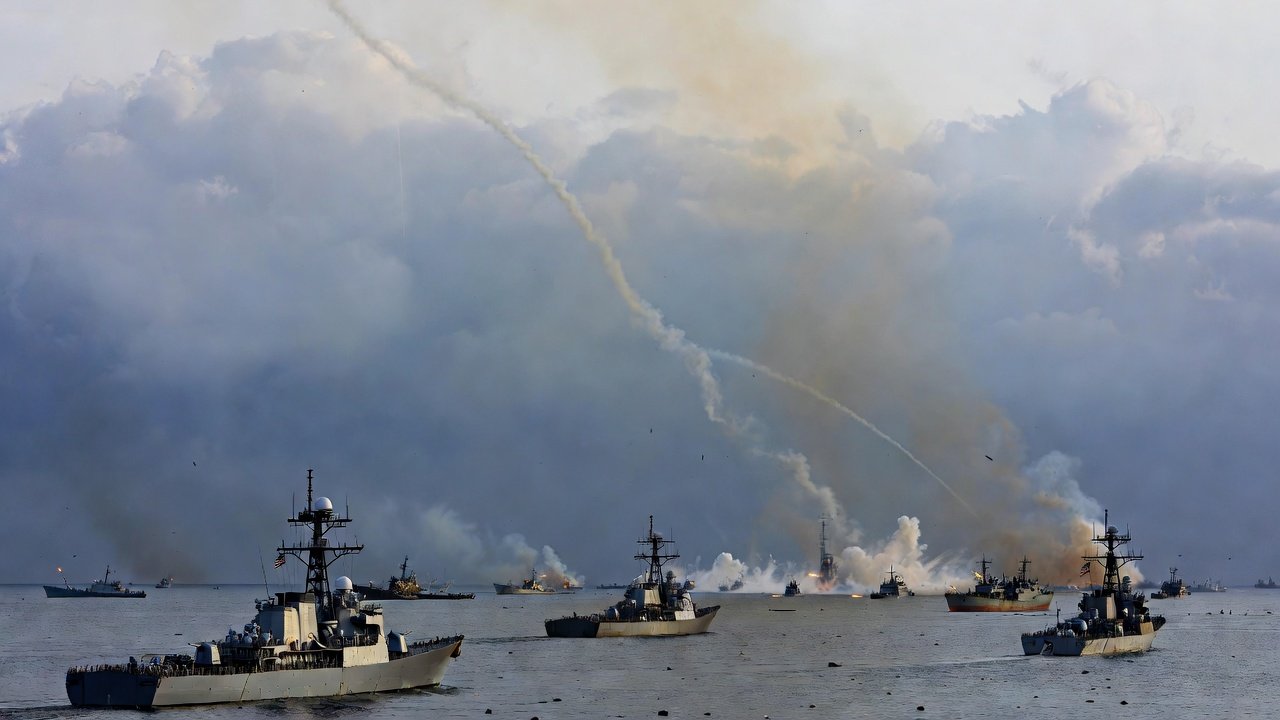
In a stark international development, United Nations experts have decried recent U.S. strikes against Venezuela in international waters, labeling them a “dangerous escalation” and potential “extrajudicial executions”. The experts expressed grave concern over reports of a significant U.S. military buildup in the Caribbean and lethal operations targeting vessels off Venezuela’s coast, which were allegedly involved in drug trafficking. They asserted that even if the allegations were substantiated, the use of lethal force without a proper legal basis violates international law, including the law of the sea, and constitutes extrajudicial executions.




The UN experts further warned that preparations for covert or direct military action against Venezuela represent a “graver breach of the UN Charter”. They countered the U.S. administration’s designation of Venezuelan criminal groups as “terrorist organizations,” arguing that these groups do not pose a direct threat to the U.S., thus negating a right of self-defense. The experts urged Washington to cease its unlawful actions and threats, uphold international law, and reaffirm its commitment to the UN Charter, cautioning against a repetition of past external interventions in Latin America.
Trump-Putin Summit Placed on Hold Amidst Geopolitical Tensions
A highly anticipated summit between U.S. President Donald Trump and Russian President Vladimir Putin, which had been slated for a potential meeting, has been put on hold. White House officials confirmed on Tuesday that “there are no plans for President Trump to meet with President Putin in the immediate future,” effectively halting speculation that had arisen following Trump’s prior announcement of such a meeting.
This development follows earlier discussions for a potential meeting, with preliminary talks between Secretary of State Marco Rubio and Russian Foreign Minister Sergey Lavrov reportedly having not yielded significant progress. While a formal summit is now off the table, the underlying geopolitical tensions persist. Reports indicate that President Putin has dismissed Trump’s ceasefire proposal concerning the ongoing war in Ukraine, remaining committed to his maximalist objectives. The U.S. administration itself has indicated that “both sides aren’t ready enough to talk to justify moving forward right now”.
White House East Wing Slated for Demolition Amidst Ongoing Renovations
In a surprising domestic announcement, the White House East Wing is slated for demolition to make way for a new ballroom. While formal plans have not yet been submitted to the overseeing agency, demolition is expected to commence within days. This planned construction marks the latest chapter in the White House’s long history of renovations and alterations, dating back to its cornerstone laying in 1792.
Historically, major overhauls such as President Harry S. Truman’s extensive reconstruction between 1948 and 1952, which preserved the outer walls while rebuilding the interior, and Theodore Roosevelt’s 1902 modernization that established the West Wing as the primary executive office space, have significantly reshaped the building. Each administration has left its mark, with presidents and First Ladies making various changes to the interiors and grounds over the centuries.
Record Weather Disaster Costs Highlighted; NOAA Data Revival Announced
The first half of 2025 has been declared the costliest on record for weather disasters in the United States, with damages totaling over $101 billion. This grim statistic is driven by a series of devastating events, including massive wildfires in Los Angeles in January, which alone caused over $60 billion in damages, making it the costliest wildfire event in national history.
This critical data, tracking weather and climate events costing $1 billion or more, was previously made inaccessible to the public when the Trump administration ceased updates to a NOAA disaster database in May 2025. However, the nonprofit Climate Central has revived and is now maintaining this publicly accessible resource, ensuring continued tracking and analysis of extreme weather impacts. The current year’s 14 billion-dollar disasters in the first six months already surpass the annual average, underscoring the escalating threat posed by climate change.
Simultaneously, there are ongoing discussions regarding the Trump administration’s broader approach to data transparency. While executive orders have been issued to promote broader data sharing among agencies for fraud prevention, concerns persist about the potential for unplanned uses of information and further consolidation of federal data.
Conclusion
As October 22, 2025, draws to a close, the nation and the world grapple with complex challenges. The pursuit of peace in the Middle East remains a central focus, underscored by the Vice President’s diplomatic engagement and the ongoing complexities of hostage recovery. Simultaneously, international scrutiny intensifies over U.S. foreign policy actions, while domestic projects like the White House renovation signal significant future changes. The stark financial impact of climate-driven disasters serves as a persistent reminder of environmental vulnerabilities and the importance of accessible, transparent data to inform future policy and preparedness. This American story, unfolding across multiple critical fronts, continues to demand careful observation and analysis.