In one of the most brutal attacks of the ongoing conflict, a massive Russian drone and missile barrage struck the western Ukrainian city of Ternopil overnight, marking a devastating Ternopil attack that killed at least 26 people and wounded nearly 100 others. The pre-dawn assault on November 19, 2025, ripped through residential buildings, leveling upper floors and trapping residents beneath rubble in a stark reminder of the Ukraine conflict’s devastating reach, even far from the front lines. The attack coincided with Ukrainian President Volodymyr Zelenskyy’s diplomatic mission to Turkey, where he sought to bolster international pressure against Russia and advance peace initiatives.
Carnage in Ternopil: Rescue Efforts Amidst Devastation of the Ternopil Attack
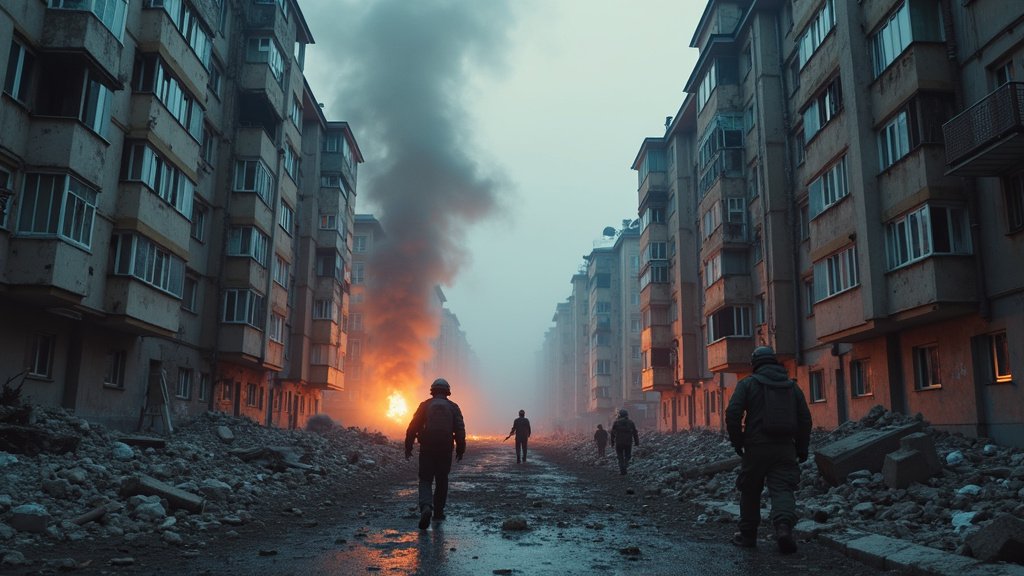
The city of Ternopil, a key hub in western Ukraine and a refuge for many displaced by the war, bore the brunt of Russia’s coordinated aerial assault. Two nine-story apartment blocks were severely damaged, with upper floors obliterated and entire sections collapsing. Interior Minister Ihor Klymenko reported that emergency crews worked tirelessly through the night and into the following days, combing through the wreckage in a desperate search for survivors. “A lot of work lies ahead,” Klymenko stated, emphasizing the priority to “find those who could still be under the rubble.” The scene was one of chaos and heartbreak, with flames engulfing buildings and residents fleeing in terror. Witnesses described the rapid spread of fire, describing it as “fiery lava” that left people with little time to escape the destructive Ternopil attack.
Among the confirmed fatalities were three children, with initial reports later indicating that at least 18 children were among the nearly 100 injured, some critically. The sheer scale of the destruction meant that entire apartments were rendered uninhabitable, and the search for the missing continued for days, with authorities fearing the death toll could still rise from this devastating Ternopil attack. The psychological toll on the survivors and those awaiting news of loved ones was immense. One mother, Oksana Kobel, recounted her desperate calls to her son, who was in his ninth-floor apartment at the time of the strike, a poignant testament to the suddenness and terror of the attack.
A Russian Aerial Assault Across Ukraine: Scale and Sophistication
This attack on Ternopil was part of a much larger, coordinated Russian offensive that spanned multiple Ukrainian regions. The Ukrainian Air Force reported that Russia launched an immense volley comprising 476 drones and 48 missiles, including 47 cruise missiles and one ballistic missile, across the country. The aerial onslaught, which began on the evening of November 18 and continued into the early hours of November 19, targeted energy and transport infrastructure, as well as civilian sites. Russia employed advanced weaponry, including X-101 cruise missiles launched from strategic bombers, underscoring the sophistication of the assault.
While Ukrainian air defenses managed to intercept a significant portion of the incoming threats – reportedly destroying 442 drones and 41 missiles – a substantial number breached defenses. Western-supplied fighter jets, including F-16 and Mirage-2000 aircraft, played a role in intercepting some of the cruise missiles. However, the sheer volume of the attack overwhelmed existing air defense capabilities in many areas, leading to widespread damage and civilian casualties. The conflict highlights the ongoing pressure on Ukraine’s air defense network and its critical need for continued international support in securing modern defense systems.
Diplomatic Arenas and Strategic Posturing Following the Ternopil Attack
The devastating strikes unfolded as President Zelenskyy was engaged in high-level diplomatic efforts. He traveled to Turkey to meet with President Recep Tayyip Erdogan in Ankara, aiming to shore up international support and revive peace talks aimed at ending the nearly four-year-old war. Zelenskyy reiterated his stance that the persistent attacks demonstrated that “pressure on Russia is insufficient” and urged allies to increase sanctions and provide more air defense missiles. Turkey, a nation that maintains relations with both Ukraine and Russia, is seen as a crucial mediator in the conflict.
This diplomatic push occurred against a backdrop of evolving peace proposals. Reports emerged of a new framework, reportedly drafted by US officials in consultation with Russian counterparts, that would require significant concessions from Ukraine, including territorial surrenders and a drastic reduction in its military. These proposals were met with strong reservations from Ukrainian officials, who viewed them as heavily tilted in Russia’s favor.
Meanwhile, Russia’s Defense Ministry claimed the strikes were a direct response to Ukrainian attacks on Russian territory, specifically citing Ukrainian forces’ use of US-supplied ATACMS missiles against the city of Voronezh. This tit-for-tat justification continues to fuel the cycle of escalation, with both sides accusing the other of aggression and targeting civilian populations. The broader world news cycle was also dominated by Poland’s accusation of “state terrorism” against Russia following a separate incident involving a blast on a railway line used for aid delivery to Ukraine, further heightening regional tensions.
Broader Impact and the Human Cost of the Ternopil Attack
Beyond the immediate destruction in Ternopil, the widespread Russian strikes disrupted critical infrastructure across at least seven Ukrainian regions, exacerbating the impact of frigid winter temperatures. Emergency power outages affected numerous areas, complicating rescue efforts and posing a significant threat to civilians already struggling with the harsh climate.
The attack on Ternopil, a city located over 500 kilometers from the front lines and the Russian border, underscored Russia’s capacity to strike deep within Ukrainian territory, impacting areas previously considered safer. The deliberate targeting of residential buildings, despite Russia’s claims of striking military objectives, has drawn widespread international condemnation. The UN human rights chief expressed dismay at the civilian casualties, highlighting the horror of long-range missiles combined with waves of drone strikes.
The ongoing conflict continues to exact a brutal toll on civilians, with events like the Ternopil attack serving as stark reminders of the human cost. As diplomatic efforts continue, the immediate focus remains on rescue and recovery, providing humanitarian aid, and bolstering Ukraine’s defense capabilities to mitigate the impact of future assaults. The world watches as Ukraine fights to defend its sovereignty against relentless aggression, with the top priority for its leaders remaining the safety and lives of its citizens.
Looking Ahead: Resilience and Continued Challenges After the Ternopil Attack
The attack on Ternopil represents a significant escalation in Russia’s aerial campaign, demonstrating its continued willingness to employ devastating force against Ukrainian cities. While rescue operations continue and diplomatic discussions persist, the immediate future appears fraught with challenges. Ukraine’s reliance on timely and sufficient Western military aid, particularly advanced air defense systems, remains paramount to protecting its skies and its people. The ability of international diplomacy to de-escalate the conflict and secure a lasting peace remains uncertain, as the Kremlin shows little sign of compromising its objectives. The resilience of the Ukrainian people and their determination to defend their homeland are evident, but the war’s devastating impact continues to deepen, underscoring the urgent need for a just and lasting resolution.