The second Trump administration faced significant backlash in Minnesota. A massive general strike occurred on January 23, 2026. Thousands of workers participated. Hundreds of businesses also closed their doors. This action was a direct protest against Immigration and Customs Enforcement (ICE) operations. It also opposed the administration’s mass deportation policies. The state became a focal point for national anger over immigration enforcement tactics.
Operation Metro Surge Sparks Outrage
The events leading to the strike began with “Operation Metro Surge”. The Trump administration deployed thousands of federal agents to Minnesota. This surge aimed to bolster immigration enforcement. Reports indicated over 3,000 agents were sent to the state. This significantly outnumbered local police forces. Residents reported living in fear.
Fatal Shootings Intensify Tensions
Tensions escalated dramatically after two fatal shootings by federal agents. Renée Good, a 37-year-old American citizen, died on January 7, 2026. An ICE agent shot her in her car in Minneapolis. Witness accounts and video evidence contested official narratives. Federal officials defended the agent’s actions. This ignited widespread protests.
Just weeks later, another U.S. citizen died. Alex Pretti, an ICU nurse, was shot by Border Patrol agents on January 24, 2026. This second shooting fueled public outrage even further. It amplified calls for accountability and withdrawal of federal agents. The administration’s response to these deaths drew heavy criticism.
The “Day of Truth & Freedom” General Strike
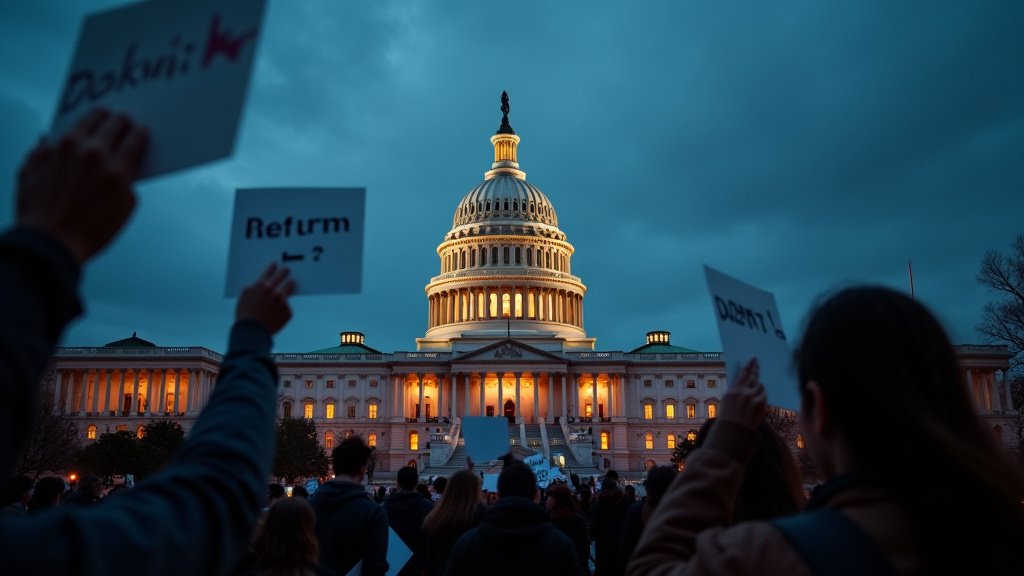


In response to these events, a broad coalition organized a statewide general strike. It was called the “Day of Truth & Freedom”. The strike took place on January 23, 2026. Organizers urged a complete economic pause. People were encouraged to stop work, school, and shopping. Tens of thousands participated despite frigid temperatures. Temperatures dropped to -20°F with wind chills as low as -50°F.
Labor unions and community organizations supported the strike. Hundreds of businesses closed their doors in solidarity. Major cultural institutions also shut down. These included the Walker Art Center and the Science Museum of Minnesota. The Minneapolis city council endorsed the action.
Key Demands and Protester Actions
The protesters presented clear demands. They called for the immediate withdrawal of ICE agents from Minnesota. They demanded legal accountability for officers involved in the deaths of Renée Good and Alex Pretti. Many also called for defunding or abolishing ICE.
Actions during the strike included marches and demonstrations. Clergy members protested at Minneapolis-Saint Paul International Airport. About 100 clergy members were arrested there during a sit-in. They urged airlines to stop facilitating deportation flights.
Official Responses and Leadership Changes
The scale of the protests prompted reactions from officials. Minneapolis Mayor Jacob Frey criticized the federal crackdown. He accused ICE of racial profiling. Frey urged ICE to withdraw from the city. Minnesota Governor Tim Walz also voiced concerns. He supported the protests as a legitimate response.
Conversely, the Trump administration defended its actions. Vice President J.D. Vance visited Minneapolis. He defended federal agents and blamed unrest on local officials. The White House maintained the enforcement surge was necessary.
Following intense backlash, leadership changes occurred. Border Patrol Commander Gregory Bovino was expected to leave Minneapolis. Homeland Security denied he was relieved of duties. President Trump appointed Tom Homan as border czar. Homan would oversee ICE operations directly reporting to the President. Minneapolis Mayor Frey met with Homan. Frey asked for the federal operation to end soon. President Trump agreed the situation could not continue.
Broader Implications and Future Actions
The Minnesota strike highlighted deep divisions over immigration policy. It demonstrated significant public opposition to mass deportations. The events contributed to a growing national debate. Activists called for further action. University of Minnesota student groups called for a second general strike. This was planned for January 30, 2026, as a “National Shutdown”.
The administration’s aggressive immigration tactics faced widespread criticism. This included proposed cuts to refugee admissions. The U.S. Department of State also paused immigrant visa processing for nationals from 75 countries. These policies created fear and instability. Employers also faced increased uncertainty. The Minnesota events served as a top American story in early 2026. This story showed the power of organized protest.