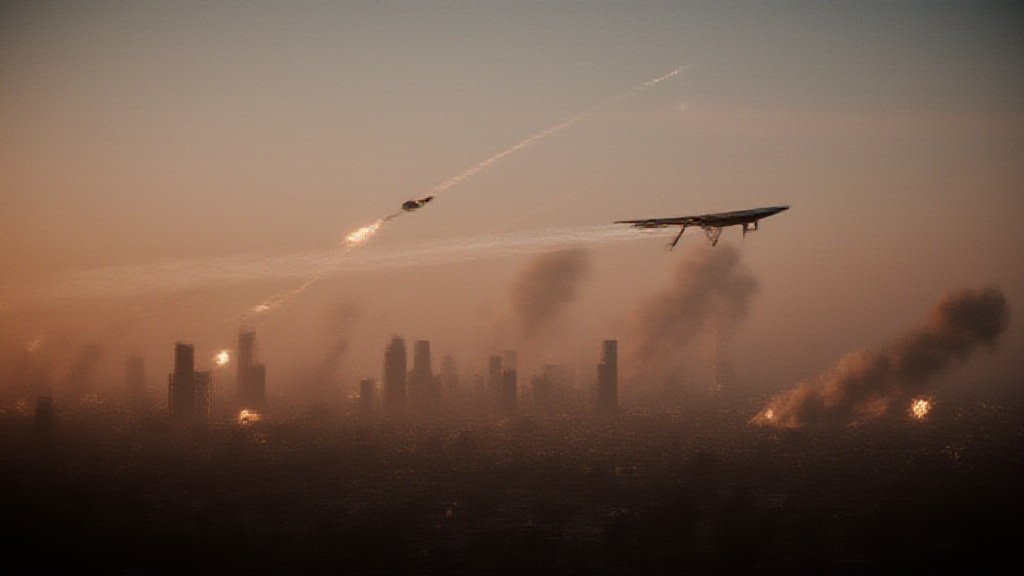
On the somber second anniversary of the October 7, 2023, Hamas-led attacks, Israel is pausing to remember the lives lost and the trauma inflicted, even as the nation finds itself at a critical juncture in the ongoing conflict. Simultaneously, high-stakes indirect ceasefire negotiations between Israel and Hamas have resumed in Egypt, centered on a comprehensive U.S.-backed peace plan aimed at ending the devastating war in Gaza. The anniversary on October 7, 2025, marks two years since the unprecedented assault that shattered Israel’s sense of security and plunged the region into a conflict that has exacted a horrific toll on both sides, particularly the besieged Gaza Strip.
Marking Two Years of Trauma and Conflict
Across Israel, commemorations are being held to honor the approximately 1,200 people, predominantly civilians, who were killed in the initial Hamas assault and the 251 individuals taken hostage. Ceremonies at the sites of the attacks, including the Supernova music festival and kibbutzim near the Gaza border, serve as poignant reminders of the day that has been described as the deadliest for Jews since the Holocaust. Families are gathering, sharing memories, and lighting candles, their grief compounded by the ongoing conflict and the fact that dozens of hostages, estimated at 48 with around 20 believed to be alive, remain in captivity. The collective trauma of October 7 looms large, with images of hostages still plastered across the country and abandoned homes bearing the scars of the militants’ rampage. The anniversary is underscored by the sounds of war, with sporadic rocket fire and distant artillery booms serving as stark reminders that the conflict is far from over.
Crucial Ceasefire Talks Convene in Egypt
In parallel with the commemorations, negotiators from Israel and Hamas have converged in the Egyptian resort city of Sharm El-Sheikh for a new round of indirect talks aimed at securing a ceasefire and ending the nearly two-year war. The negotiations are centered on a 20-point peace plan proposed by U.S. President Donald Trump, which has garnered significant international backing. Mediated by Egypt and Qatar, with U.S. envoys also present, the plan’s initial phase reportedly focuses on a comprehensive exchange: the release of all Israeli hostages, living and deceased, in return for a significant number of Palestinian prisoners held by Israel, alongside a partial withdrawal of Israeli forces from Gaza.

President Trump has characterized the ongoing discussions as “very successful and proceeding rapidly,” expressing optimism for a “lasting deal”. Hamas has indicated agreement with key aspects, including the hostage release and a potential handover of administrative control in Gaza to a technocratic Palestinian body. However, substantial obstacles remain. Crucially, Hamas has not yet committed to demands for its disarmament or its future role in Palestinian politics, issues that are central to Israel’s security concerns. The U.S. proposal also outlines broader objectives, including de-radicalization efforts in Gaza, significant redevelopment of the Strip, the establishment of an international stabilization force, and the creation of a pathway toward a Palestinian state – a prospect that continues to face strong opposition from elements within Israel’s government. The talks are considered fragile, with deep divisions persisting between the parties, and the outcome remains uncertain as negotiators work to iron out the final details.
The Genesis of the Conflict: October 7th
The October 7th attack, orchestrated by Hamas and other Palestinian militant groups, was a meticulously planned assault that breached Israel’s heavily fortified border. Hamas stated its actions were a response to what it described as continued Israeli occupation, the blockade of Gaza, violence at holy sites, settler aggression, and the imprisonment of thousands of Palestinians. The scale and brutality of the assault, which included the targeting of civilians, desecration of bodies, and mass abductions, shocked the world and brought international condemnation. It marked a significant escalation from previous rounds of conflict, characterized by an unprecedented level of violence against Israeli communities.
The Devastating Toll on Gaza
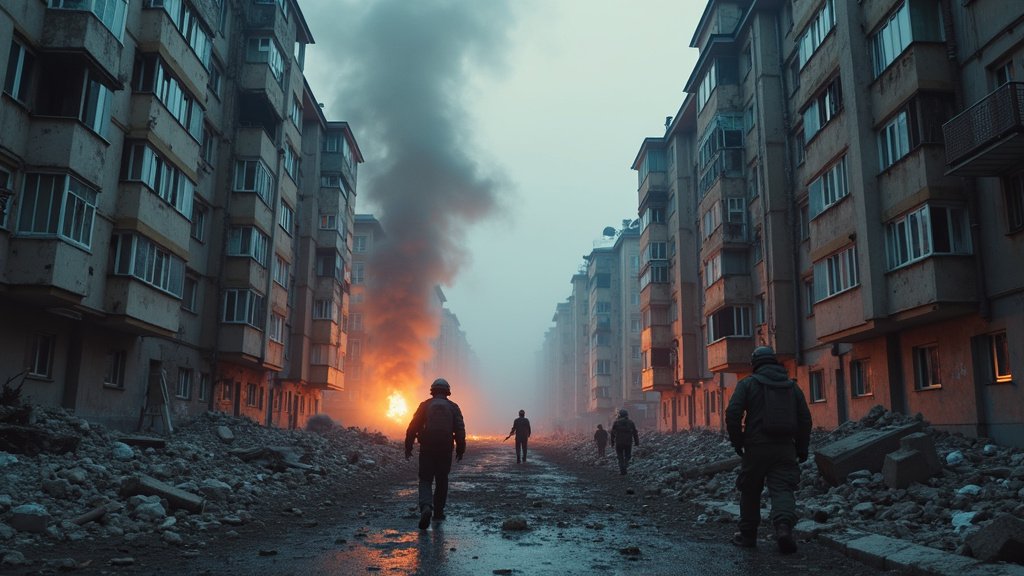
The aftermath of October 7th has unleashed a devastating war in Gaza, resulting in a humanitarian catastrophe of immense proportions. According to Gaza’s Health Ministry and international reports, over 67,000 Palestinians have been killed, with tens of thousands more injured, a significant number being women and children. Thousands more are believed to be buried under the rubble, with rescue efforts severely hampered.
The war has decimated Gaza’s infrastructure; an estimated 60% of its buildings have been destroyed or damaged, with direct physical damage valued at $55 billion. The healthcare system has virtually collapsed, with 34 out of 36 pre-war hospitals rendered inoperable or severely damaged, and medical teams struggling to function amid dire shortages of supplies and power.
Conditions have deteriorated to a point of famine, with widespread hunger and malnutrition affecting over half a million Palestinians. At least 460 individuals, including 154 children, have died from starvation and malnutrition directly linked to the war and severely restricted aid flows. Compounding this crisis is the mass displacement of approximately 90% of Gaza’s population, with many forced to flee their homes multiple times, often seeking refuge in overcrowded and inadequate conditions. International organizations have repeatedly warned of the dire humanitarian situation and the critical need for unimpeded aid access.
A Region Under Strain and the World Watching
The conflict’s repercussions extend far beyond Gaza and Israel, significantly straining regional stability. Cross-border skirmishes with Hezbollah in Lebanon, attacks by Yemen’s Houthi rebels on shipping in the Red Sea, and assaults on U.S. military positions in Iraq and Syria highlight the broader destabilizing effects. Iran’s direct confrontation with Israel in April and October of 2024, and subsequent Israeli counterstrikes, further underscore the escalating regional tensions.
Internationally, Israel faces increasing isolation, with numerous global bodies and rights groups levying accusations of genocide and war crimes, charges it vehemently denies. Simultaneously, there have been renewed international efforts to address the root causes of the conflict, with several nations formally recognizing the State of Palestine and endorsing a two-state solution as a path toward lasting peace. The international community is closely monitoring the ceasefire talks in Egypt, viewing them as a critical opportunity to de-escalate the violence and address the profound humanitarian crisis.
An Uncertain Path Forward
As Israel marks the second anniversary of the October 7th attacks, the nation grapples with loss, resilience, and the imperative of security. The ongoing ceasefire talks in Egypt represent a crucial, albeit precarious, opportunity to forge a path toward de-escalation and the potential cessation of hostilities. While progress has been made, significant hurdles remain, and the coming days will be pivotal in determining whether a lasting peace can be achieved for the war-weary populations of Gaza and Israel. The world watches, hoping for a resolution that can alleviate the immense suffering and pave the way for a more stable future in the Middle East.