

SINGAPORE – Top defense and security officials convened at the 22nd Shangri-La Dialogue, Asia’s premiere defense forum held in Singapore, highlighting how the ongoing conflict in Ukraine has dramatically reshaped the global security landscape. Speakers underscored that the war has blurred traditional regional lines, exposing interconnected global threats and revealing the emergence of an increasingly coordinated authoritarian axis.
The discussions, held at the prestigious forum, focused heavily on the implications of support provided to Russia by countries like China and North Korea in its military actions against Ukraine. According to officials speaking at the summit, this support demonstrates a convergence of interests and strategies that transcend geographic boundaries, necessitating a more unified, global approach to defense and security challenges.
Allegations of Support for Russia


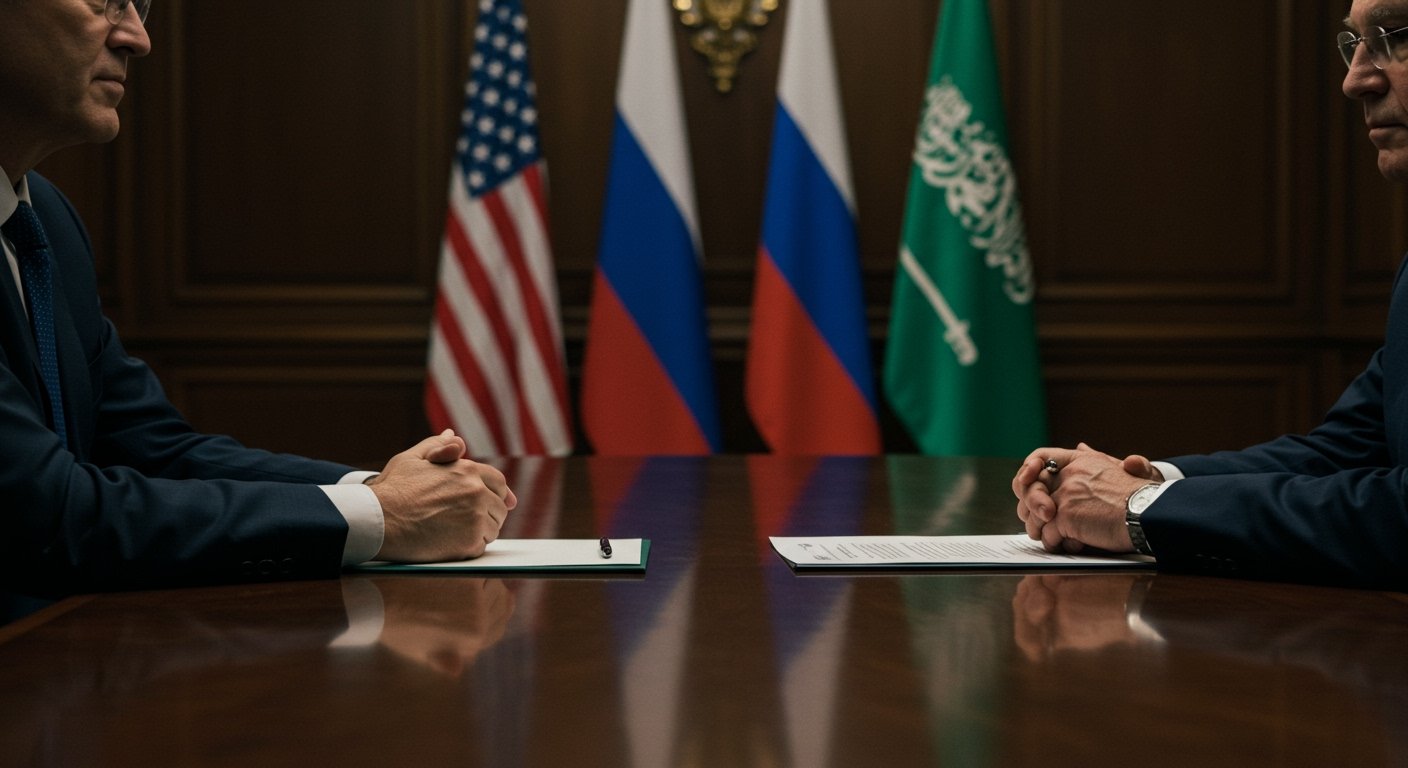

Delegates heard detailed accounts of alleged assistance rendered to Moscow. Notably, officials asserted that North Korea has dispatched troops to fight directly on the front lines in Ukraine. Furthermore, China was described as providing significant economic and technological support to Russia, alongside actively opposing international sanctions aimed at penalizing Moscow for the conflict. These actions, according to the officials, are not merely isolated incidents but reflect a deeper strategic alignment with potentially far-reaching consequences for global stability.
The Ripple Effect in Asia
A key theme of the dialogue was the potential for the conflict in Europe to have profound ripple effects across Asia. Lithuanian Defense Minister Dovilė Šakalienė delivered a pointed address to delegates, warning explicitly about the consequences should Ukraine fall. She stressed that such an outcome would not remain confined to Europe but would directly impact the security dynamics of the Indo-Pacific region.
Minister Šakalienė specifically cautioned that a Russian victory could embolden China in its territorial claims, particularly concerning Taiwan and in the contentious South China Sea. She argued forcefully that the outcome of the war in Ukraine is not solely a European issue but carries significant implications for smaller Indo-Pacific states. A successful invasion by Russia, she posited, would send a clear and dangerous signal that established international borders could be disregarded and military invasions justified by fabricated excuses, thereby undermining the sovereignty and security of smaller nations in the region.
The Rise of an Authoritarian Axis
The convergence of interests and actions among several key states was a major point of concern raised by officials. The speeches highlighted what they described as the formation of an “increasingly coordinated authoritarian axis.” This group, identified as comprising Russia, China, Iran, and North Korea, is seen as presenting a united front that challenges the existing international order and global security frameworks.
Officials argued that the cooperation between these nations, particularly evident in the context of the Ukraine war, demands a strong and unified response from democratic nations and international institutions. The perceived alignment in political objectives and mutual support structures within this axis was presented as a significant threat that requires concerted efforts to counter.
Call for Unified Global Defense
The overarching message from the Shangri-La Dialogue speakers was the urgent need for a global approach to defense and security. The war in Ukraine, and the described support for Russia from states like China and North Korea, were presented as clear evidence that regional conflicts can no longer be viewed in isolation. The interconnectedness of modern security challenges, from military aggression and territorial disputes to technological support and economic sanctions, requires a comprehensive and cooperative strategy among like-minded nations.
Officials emphasized that addressing the threats posed by the identified authoritarian axis and preventing future conflicts necessitates strengthening international alliances, upholding international law, and presenting a united front against actions that undermine global stability and the principle of national sovereignty. The 22nd Shangri-La Dialogue served as a critical platform for top defense officials to articulate these concerns and advocate for a more integrated global security posture in response to the evolving threat landscape.



Appreciate it for all your efforts that you have put in this. very interesting info .