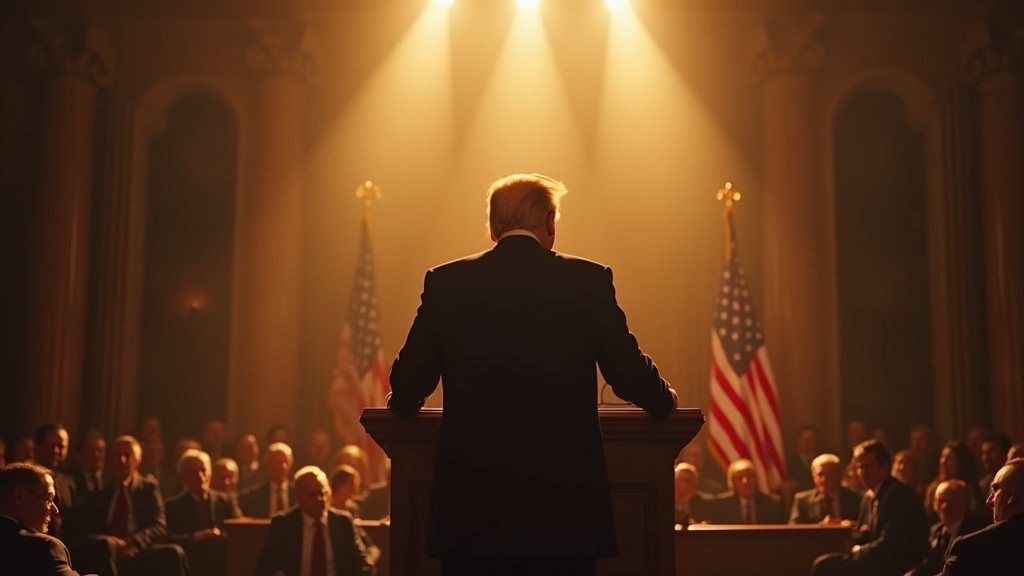
A monumental Defense Bill is set for Congress. Lawmakers unveiled a record $901 billion package, a crucial defense spending bill. This legislation sets national security spending for the upcoming year. It significantly exceeds the previous administration’s request. The Defense Bill marks a pivotal moment in American defense policy. It aims to reshape priorities and bolster military readiness.

House Speaker Mike Johnson champions this Defense Bill. He states it will “restore the warrior ethos.” The legislation aligns with a “Peace Through Strength Agenda.” It seeks to end “woke ideology” within the Pentagon. Instead, this Defense Bill aims to restore traditional military values. This move signifies a shift in focus. It prioritizes core combat capabilities.
Record Budget and Key Initiatives in the Defense Bill
The sprawling 3,000-page Defense Bill authorizes substantial funding. It includes a 4% pay raise for enlisted troops. This acknowledges their service and sacrifice. Furthermore, the Defense Bill champions technological advancement. It accelerates American drone manufacturing. This move seeks to strengthen the domestic defense industrial base. It also proposes development for the “Golden Dome” missile defense system. This ambitious project aims for a robust shield against missile threats. It involves multiple companies like Northrop Grumman and Lockheed Martin. Newer firms like Anduril Industries also participate. The initiative represents a strategic pivot within the Defense Bill. It focuses on space-based defense capabilities. The first prototype contracts have been awarded. This marks a significant step for future defense architecture outlined in the Defense Bill.
Policy Shifts and Controversies in the Defense Bill
The Defense Bill also targets specific policy areas. It proposes significant cuts to Diversity, Equity, and Inclusion (DEI) initiatives. These programs are described as “woke ideology.” This change in the Defense Bill aims to remove what supporters call unnecessary programs. It seeks to refocus on merit-based systems. Additionally, the legislation includes provisions for deploying troops as part of the Defense Bill. These forces would go to the U.S. southwest border. Their mission would be to intercept undocumented immigrants and drugs. This reflects a strong stance on border security. The Defense Bill also repeals older Iraq War authorizations. These date back to 1991 and 2002. This action updates legal frameworks for military engagement, a key aspect of the Defense Bill.
Political Landscape and Future Impact of the Defense Bill
This year’s Defense Bill has seen a more partisan process. Republicans largely align with former President Trump’s agenda regarding the Defense Bill. Democrats have voiced concerns. Issues include domestic troop deployments and oversight of military actions impacting Pentagon policy. The National Defense Authorization Act (NDAA), essentially this year’s Defense Bill, is considered essential legislation. It passes annually with strong bipartisan support. However, this year’s process highlights political divides concerning the Defense Bill. The Defense Bill‘s ultimate passage requires a compromise. It will shape America’s global posture. It also influences domestic priorities as detailed in the Defense Bill. The legislation signals a strong commitment to national security. It also reflects significant ideological debates in American politics concerning the Defense Bill.
The Defense Bill‘s extensive provisions will steer military strategy. It aims to modernize capabilities. It also seeks to realign domestic and foreign policy. The focus remains on deterrence and strength. This comprehensive Defense Bill is a key piece of annual American politics. Its implications will unfold in the coming years following the passage of this significant Defense Bill.