Ensuring the safe return of astronauts is paramount, and robust **Astronaut Rescue Missions** are vital components of any spacefaring endeavor. The vastness of space presents unique challenges, and astronauts face potential dangers far from Earth. Ensuring their safe return is a top priority for space agencies, and this national effort involves constant vigilance and preparedness for potential space rescue missions. NASA and its partners, including SpaceX, develop robust safety plans crucial for any mission, particularly when considering astronaut safety.
The Soyuz MS-22 Crisis and Astronaut Rescue Missions
A serious incident highlighted the critical need for effective **Astronaut Rescue Missions**. It involved the Russian Soyuz MS-22 spacecraft, docked at the International Space Station (ISS). In December 2022, it suffered a significant coolant leak during a routine operation. This leak was a serious concern, compromising the capsule’s ability to safely return its crew: Russian cosmonauts Sergey Prokopyev and Dmitry Petelin, and NASA astronaut Frank Rubio. Their planned mission duration was suddenly in question, necessitating immediate consideration of astronaut rescue missions.
International Cooperation and Contingency Plans for Space Rescue Missions
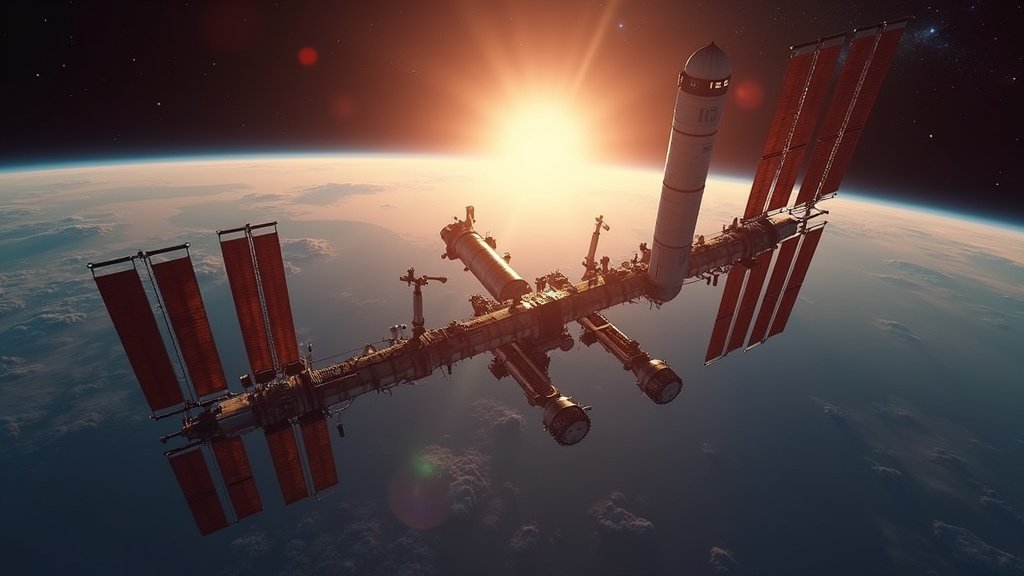
The situation demanded swift action, and NASA and Roscosmos, Russia’s space agency, collaborated closely. They launched an investigation into the Soyuz MS-22 leak, with the primary goal of assessing its condition for crew return. Engineers determined it was not viable for a normal return, therefore, contingency plans became essential. NASA explored all available options, including reaching out to SpaceX to understand the capabilities of its SpaceX Dragon spacecraft as a potential backup lifeboat. This demonstrated the importance of international and commercial partnerships in enabling astronaut rescue missions.
The Uncrewed Solution for Astronaut Rescue Missions
The immediate solution for this particular instance of astronaut rescue missions involved a Russian resupply mission. Roscosmos planned to launch an uncrewed Soyuz MS-23 to the ISS in February 2023. This spacecraft would act as a replacement return vehicle, allowing the original Soyuz MS-22 to return to Earth without its crew, ensuring their safe ride home. However, this also meant an extended stay for the crew, emphasizing the complexities of astronaut rescue missions.
Extended Stays and New Records in Astronaut Rescue Missions
The extended mission became a historic event, particularly for Frank Rubio. His mission, extended due to the Soyuz MS-22 issues and the subsequent need for astronaut rescue missions, lasted 371 days, setting a new record for the longest single spaceflight by an American astronaut. The extended stay provided invaluable data for scientists studying the effects of long-term microgravity, which is vital research for future deep-space missions and offers insights into human endurance related to astronaut safety.
Recent Retrieval Scenarios and Astronaut Safety
Similar situations have tested spaceflight readiness and the effectiveness of contingency plans akin to astronaut rescue missions. In 2025, astronauts Butch Wilmore and Suni Williams faced an extended stay when their Boeing Starliner issues arose. Their prolonged mission highlighted the critical role of crew rotation and the need for adaptable astronaut safety protocols. Subsequently, a SpaceX Crew-10 mission launched, bringing new crew members to the ISS and enabling Wilmore and Williams to finally return home, demonstrating how different spacecraft can support each other during challenging situations that might necessitate improvised astronaut rescue missions.
Lessons Learned and Future Implications for Astronaut Rescue Missions
These events underscore the need for robust emergency protocols and effective astronaut rescue missions. The USA and its partners continuously refine these procedures, practicing for scenarios like fires or toxic spills. Maintaining a “safe haven” capability is paramount, ensuring astronauts always have a clear path to a return vehicle. These drills prepare crews for the unexpected, which is vital for national space endeavors and bolstering astronaut safety.
Conclusion on Astronaut Rescue Missions
Space exploration is inherently risky, but meticulous planning minimizes these risks, particularly concerning astronaut rescue missions. International cooperation and advanced technology are key. NASA and SpaceX, among others, are at the forefront, ensuring that “stuck astronauts” is a rare and manageable scenario through well-rehearsed astronaut rescue missions and a steadfast commitment to astronaut safety. This dedication drives future human exploration forward.