Schools across the United States are on edge following a significant shift in immigration enforcement policy by the Department of Homeland Security (DHS).
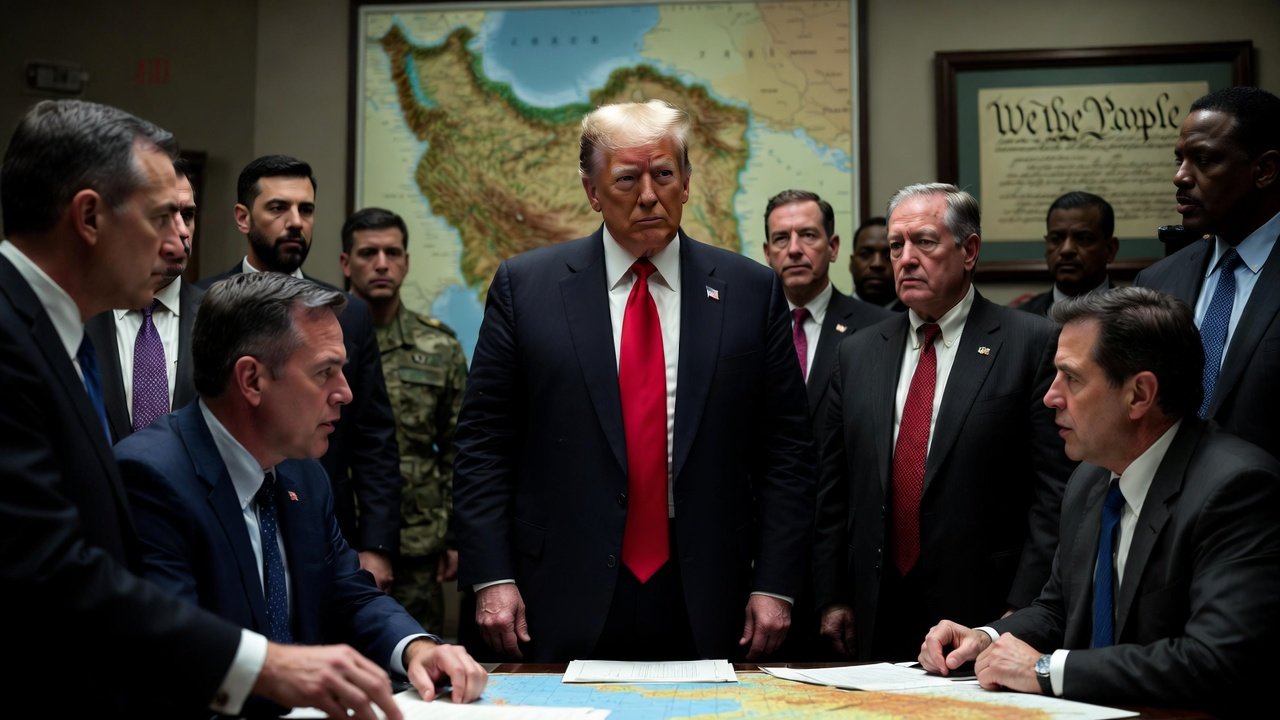
Effective on the day President Trump began his second term, the DHS altered its approach to making immigration arrests at sensitive locations, which include schools, hospitals, and places of worship. This change effectively ended a decade-long practice that had largely restricted enforcement actions in these areas. Under the new directive, officers are instructed to use discretion rather than adhering to the previous blanket restrictions.


The policy reversal has ignited widespread concern among educators, parents, and civil liberties advocates who fear the potential impact on school environments and student well-being.
Legal Challenge Fails to Halt Policy
The immediate fallout included a legal challenge from the Denver school system, which filed a lawsuit last month contesting the policy change. The lawsuit sought to prevent immigration enforcement actions within school grounds. However, their request for a temporary pause on the implementation of the new policy was denied by a federal judge late on Friday. This judicial decision leaves the policy intact for now, deepening anxieties within school communities.
While no immigration raids on schools have been reported yet under the new policy, the mere potential for arrests has already had tangible effects.
Impact on Students and Parents
Reports indicate that the uncertainty and fear generated by the policy shift have led some parents to keep their children home from class. This absenteeism reflects a difficult choice for families concerned about the safety of their children within previously considered safe havens. The presence, or potential presence, of immigration enforcement officers on school campuses is seen by many as disruptive to the educational environment and damaging to the trust between schools and immigrant communities.
Understanding Enforcement Warrants
Amidst the confusion, experts have provided crucial guidance regarding the legal instruments used for enforcement actions. They highlight a critical distinction between judicial warrants, which are signed by a judge and generally required for entry into private property without consent, and administrative warrants, which are issued by Immigration and Customs Enforcement (ICE) itself. Experts advise school administrators and staff to carefully verify the type of warrant presented by any enforcement officer seeking to enter school grounds. Understanding this difference is considered vital for schools navigating potential interactions with immigration authorities under the new policy.
Broader Context of Immigration Tensions
The policy change unfolds against a backdrop of increased tensions surrounding immigration across the country. The heightened enforcement posture, even when not directly impacting schools with arrests, contributes to a climate of fear and uncertainty for immigrant families. This broader context is starkly illustrated by tragic events, such as a case in Texas where an 11-year-old died by suicide after reportedly experiencing immigration-related bullying. Such incidents underscore the profound human cost of intensified immigration rhetoric and policy.
Uncertainty Lingers
The denial of the temporary injunction means schools must now operate under the cloud of potentially seeing immigration enforcement activities on their premises, relying solely on the discretion of individual officers. The outcome of the Denver lawsuit’s underlying challenge to the policy remains pending, but for the immediate future, the landscape of immigration enforcement has fundamentally changed for sensitive locations like schools, leaving many bracing for potential disruptions and prioritizing the safety and well-being of their students in an increasingly uncertain environment.