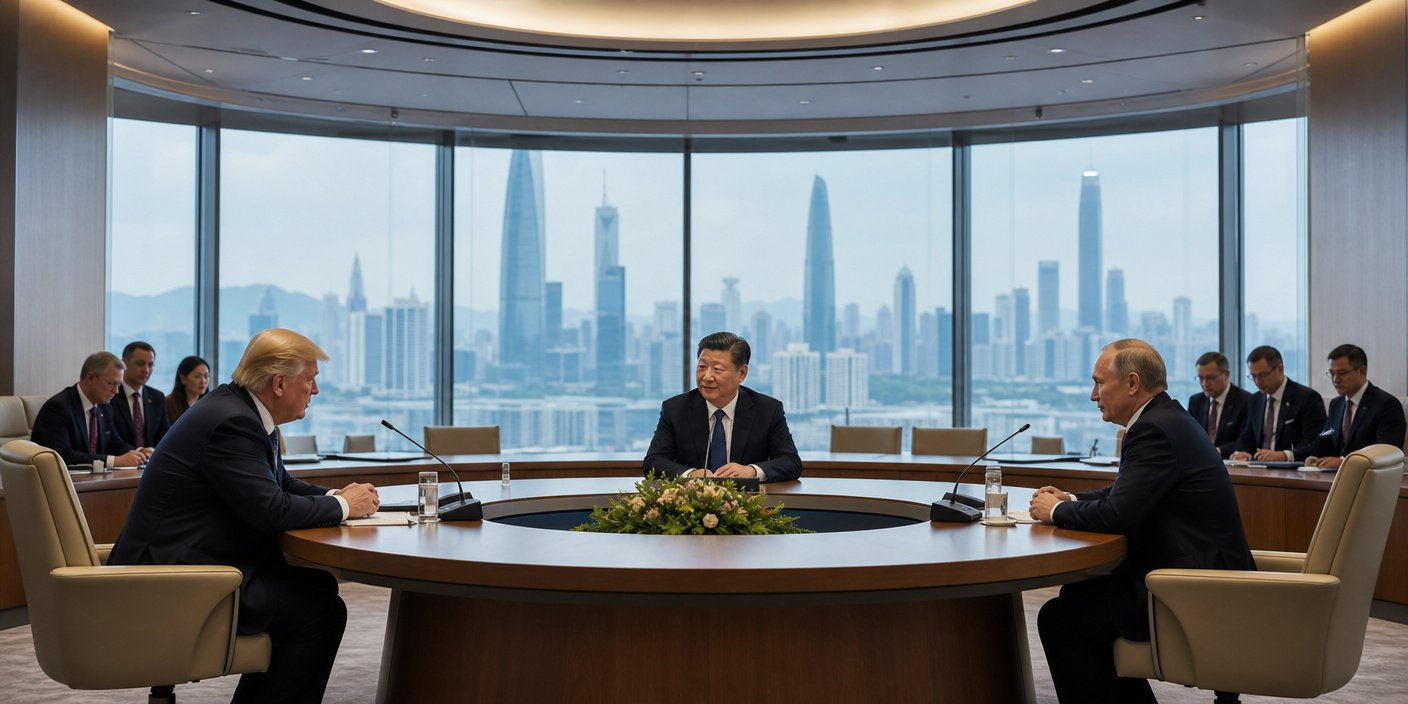

The landscape of global finance was irrevocably altered today as Anthropic, the leading artificial intelligence research and safety company, successfully completed the largest initial public offering (IPO) in history. By successfully listing its shares and raising a staggering $81.3 billion, Anthropic has not only eclipsed previous tech-sector records but has established a new, formidable benchmark for how institutional and retail investors value generative AI infrastructure. The offering, which saw 980 million shares priced at $83 per share, marks the end of an era where AI development was exclusively the domain of private equity and venture capital, ushering in a new age of public market accountability and transparency for the sector.
Key Highlights
- Record-Breaking Capitalization: Anthropic has officially raised $81.3 billion, securing its place as the largest IPO ever recorded in financial history.
- Volume and Pricing: The offering involved the distribution of 980 million shares to the public market.
- Entry Point: Each share was priced at $83 at the moment of the IPO, reflecting a robust appetite from institutional underwriters and public investors alike.
- Market Significance: This debut signals a shift in the AI economy, moving the sector from speculative private funding toward massive, public-market institutional support.
The Financial Shift: Decoding the Anthropic Public Offering
The sheer scale of the Anthropic IPO is a definitive moment for both Wall Street and Silicon Valley. While the tech industry has seen massive capital infusions over the last decade, rarely has a single event so clearly demarcated the transition from ‘speculative tech’ to ‘essential infrastructure.’ At $81.3 billion, the raise represents more than just a liquidity event for early investors; it acts as a massive validation of the long-term utility of large language models and AI safety frameworks. The decision to list 980 million shares provides a deep float that is expected to stabilize the stock, though the price point of $83 per share suggests that the market is banking on sustained, compounding growth rather than immediate volatility.
The Mechanics of the $81.3 Billion Raise
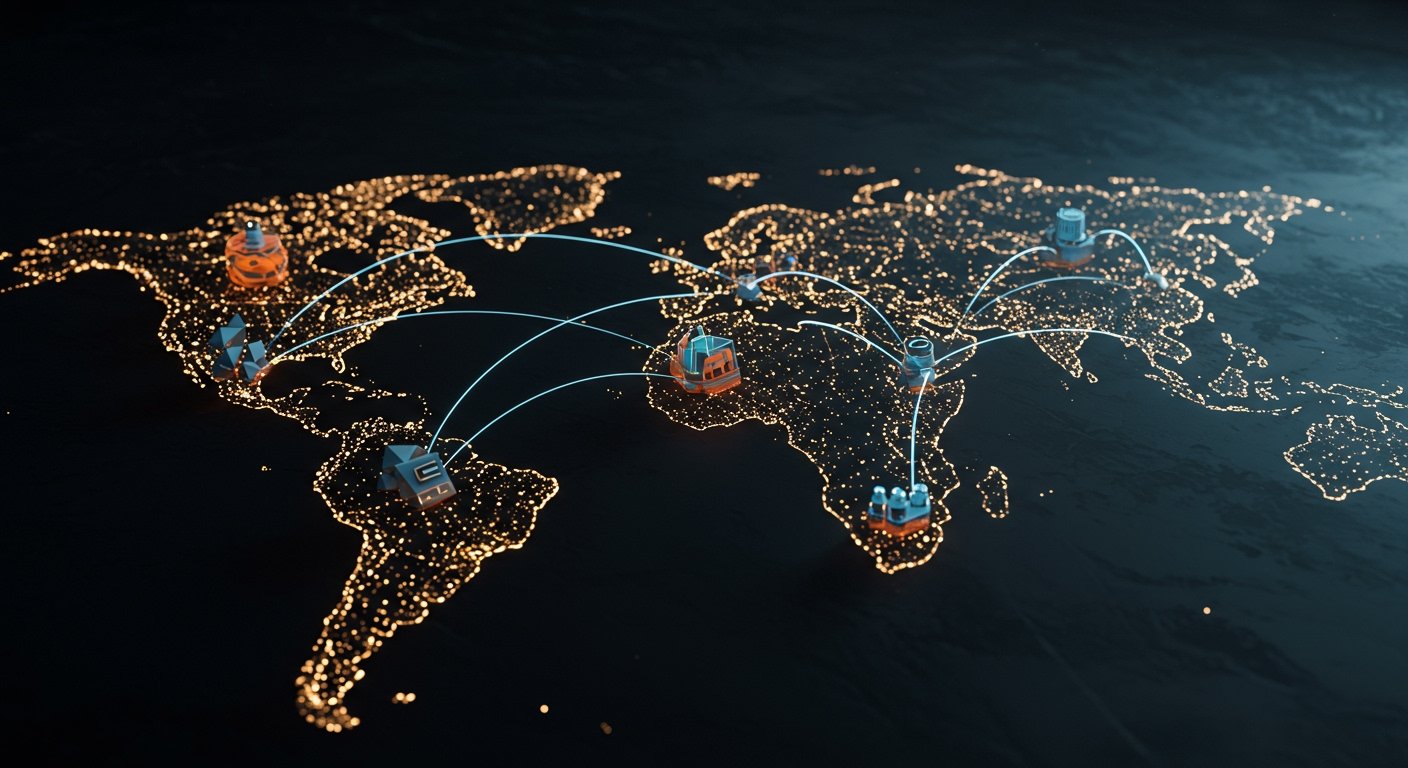



For analysts watching the ticker, the $83-per-share entry point was the critical metric. By bringing 980 million shares to market, Anthropic managed to thread the needle between aggressive capital acquisition and maintaining enough scarcity to prevent an immediate sell-off. The capital raised is earmarked for what the company describes as ‘Next-Generation Infrastructure’—a term that likely encompasses both massive compute cluster acquisition and the expansion of its core research division. In an era where AI development is defined by capital-intensive GPU procurement, this $81.3 billion war chest provides Anthropic with a distinct advantage over competitors who remain tethered to the constraints of smaller, private funding rounds. The ability to deploy this level of liquidity puts Anthropic in a league of its own, effectively accelerating its roadmap by several years.
Sector Maturity and Investor Sentiment
The success of this IPO reflects a significant pivot in investor sentiment toward Artificial Intelligence. We have moved past the hype cycle of ‘AI as a feature’ and into the ‘AI as an industry’ phase. Investors participating in this $81.3 billion offering are not buying into a transient trend; they are buying into the foundational layer of the future economy. This shift has broader implications for the IPO market, which had been lukewarm for tech startups throughout much of the previous fiscal year. With Anthropic breaking the seal in such dramatic fashion, it is highly probable that we will see a rush of follow-on filings from other AI-adjacent firms, all hoping to capture the residual momentum created by this historic offering. The $83-per-share valuation suggests that the market is willing to pay a premium for proven safety protocols and high-reliability models, signaling that the ‘safety-first’ marketing strategy adopted by Anthropic has paid off in cold, hard cash.
Corporate Governance and the Public Eye
Transitioning from a private entity to a $81.3 billion public titan brings a new set of challenges for Anthropic, particularly regarding corporate governance. As a company that has built its brand on the principle of responsible AI and safety, the move to a public shareholder base creates a complex balancing act. Public markets demand quarterly growth, profit margins, and consistent results—metrics that can sometimes clash with the slow, deliberate pace required for fundamental safety research. The 980 million shares now in circulation mean that the company’s executive team will be answering to a much broader and more diverse set of stakeholders. Managing this narrative will be the defining task of the company’s leadership in the coming quarters. They must ensure that the pressure for immediate financial returns does not compromise the rigorous ethical standards that made the company so attractive to investors in the first place.
FAQ: People Also Ask
Q: What does the $81.3 billion IPO mean for existing shareholders?
A: For existing shareholders, this IPO provides significant liquidity, allowing them to realize returns on their early-stage investments. The massive size of the IPO suggests a strong market confidence that may support the share price long-term.
Q: Why was the Anthropic IPO considered the largest of all time?
A: Based on the capital raised ($81.3 billion) and the number of shares listed (980 million), it surpasses previous record-holders in the technology and financial services sectors, setting a new historical high-water mark for market entry valuations.
Q: What impact will the $83 share price have on retail investors?
A: An $83 entry price positions the stock as accessible to a wide range of retail investors while remaining high enough to signal institutional-grade quality. It allows for broader market participation compared to IPOs with significantly higher per-share costs.