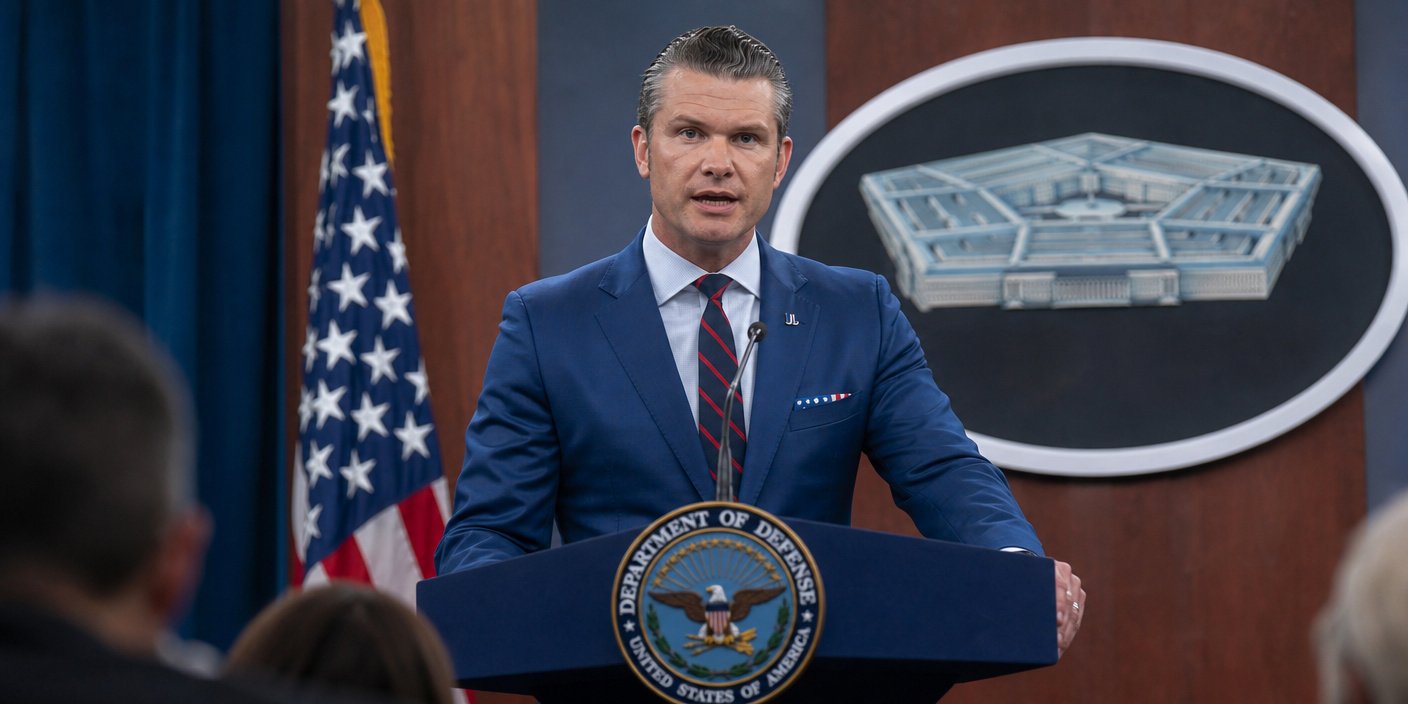
Singapore – U.S. Defense Secretary Pete Hegseth delivered a forceful address at a security conference here on Saturday, May 31, 2025, aiming to reassure Indo-Pacific allies that the United States remains committed to their defense despite mounting military and economic pressure from China.
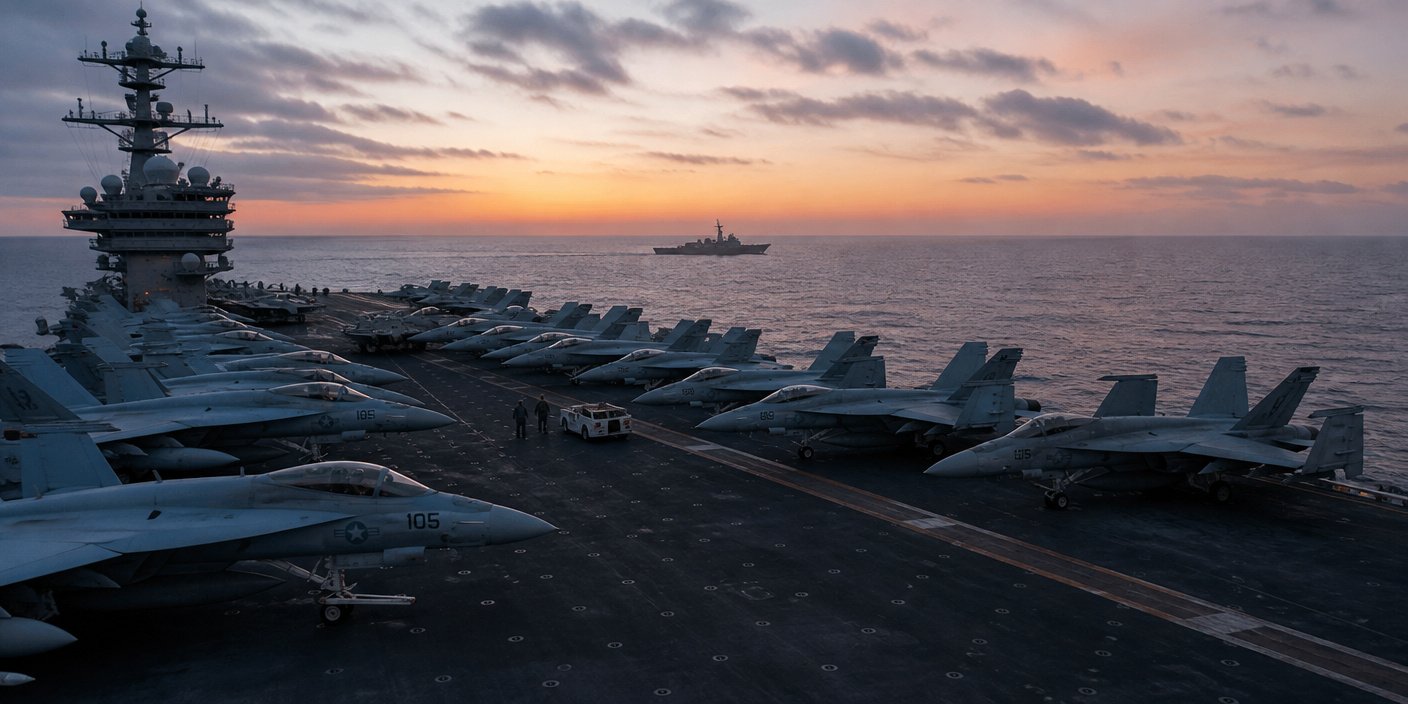
Speaking before a gathering of defense officials and analysts from across the region and beyond, Secretary Hegseth emphasized that Washington intends to significantly bolster its overseas defenses. This strategic enhancement, he stated, is designed to counter what the U.S. perceives as rapid and escalating threats emanating from Beijing.
Washington Reaffirms Commitment
Central to Secretary Hegseth’s remarks was a direct pledge that the U.S. would not abandon its partners in the face of increasing assertiveness from the People’s Republic of China. He specifically cited China’s increasingly aggressive posture towards Taiwan, an island democracy that the U.S. has long pledged to assist in its defense.
Secretary Hegseth did not mince words regarding the perceived immediacy of the threat. Referencing recent large-scale Chinese military drills that simulated a blockade of Taiwan, he stated plainly, “the threat China poses is real. And it could be imminent.”


While reaffirming the U.S. commitment and outlining plans for enhanced American military presence and capabilities in the region, Secretary Hegseth also issued a call to action for U.S. allies. He urged partner nations to increase their own contributions to their respective defenses, framing it as a necessary collective effort to maintain regional stability and deter potential aggression.
China Rejects Accusations
The U.S. defense chief’s remarks drew a swift and sharp rebuke from the head of China’s delegation at the conference, Rear Adm. Hu Gangfeng. Rear Adm. Hu, who serves as the vice president of China’s National Defense University, countered Secretary Hegseth’s statements, dismissing them as “groundless accusations,” “completely fabricated,” and a distortion of facts.
Rear Adm. Hu suggested that Secretary Hegseth’s actions and words were not aimed at promoting peace or stability, but rather intended to “provoke trouble, incite division and stir up confrontation to destabilize the Asia-Pacific region.” His comments highlighted the deep and fundamental disagreement between Washington and Beijing regarding the security dynamics in the Indo-Pacific.
Explaining Force Posture Changes
During the conference, Secretary Hegseth was also questioned about recent decisions by the U.S. to relocate certain military assets from the Indo-Pacific theater. Specifically, he was asked about the repositioning of a Patriot missile defense battalion and several U.S. Coast Guard ships.
Secretary Hegseth justified these movements by citing pressing operational needs in other parts of the world and requirements closer to home. He explained that the Patriot battalion was needed to defend against Houthi missile and drone attacks emanating from Yemen, which have posed a significant threat to international shipping lanes. He also stated that the Coast Guard vessels were being redeployed to enhance protections against illegal immigration into the United States.
This explanation sought to clarify that these specific movements were driven by global and domestic requirements, rather than signaling a diminished commitment to the Indo-Pacific. However, critics have suggested that any reduction in regional assets, even if temporary, could be misinterpreted or exploited.
Delegation Dynamics
Adding another layer to the diplomatic exchanges at the conference was the observation regarding the level of the Chinese delegation. Notably, China sent a lower-level contingent compared to previous years, with Defense Minister Dong Jun absent from the event. This decision was highlighted by the U.S. delegation, which reportedly intended to leverage the absence of China’s top defense official to underscore perceived differences in commitment to regional security dialogue.
The starkly different perspectives presented by Secretary Hegseth and Rear Adm. Hu Gangfeng underscored the increasing strategic competition between the United States and China in the Indo-Pacific, a dynamic that continues to shape the security landscape for nations across the region.