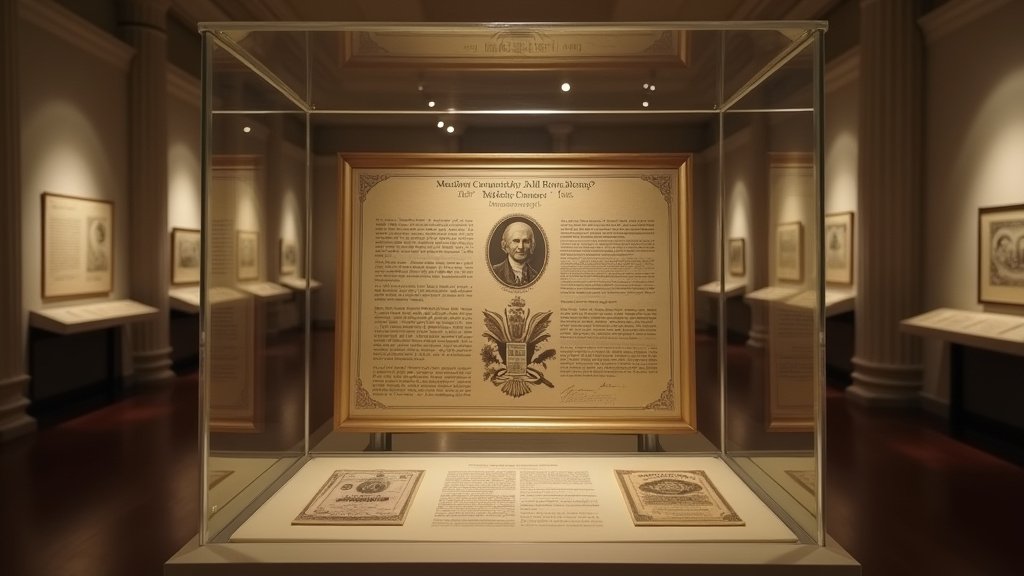
Cultural institutions across the United States are preparing for reduced federal support as the 2027 fiscal budget proposals signal further cuts to the National Endowment for the Arts (NEA) and the Institute of Museum and Library Services (IMLS), following years of precarious funding struggles. As legislative negotiations intensify, museum directors, curators, and stakeholders are warning that the proposed reductions could trigger a cascading effect on public access, educational programming, and historical preservation efforts nationwide.
Key Highlights
- Budgetary Threat: New 2027 fiscal proposals target the NEA and IMLS for significant reductions, creating a volatile financial outlook for thousands of cultural sites.
- Small Institution Vulnerability: Smaller, rural, and community-based museums that rely heavily on federal grants for operational costs face the highest risk of closure or service reduction.
- Shift in Dependency: The potential loss of federal backing forces museums to pivot rapidly toward private philanthropy and municipal support, which are often less reliable in volatile economic climates.
- Long-Term Impact: Experts warn that sustained funding cuts jeopardize the long-term conservation of American cultural heritage, potentially leading to the downsizing of public exhibitions.
The Looming Fiscal Cliff: Understanding the 2027 Budget Crisis
The American cultural sector is currently navigating a period of unprecedented uncertainty. The federal budget cycle for fiscal year 2027 has brought renewed scrutiny to the National Endowment for the Arts (NEA) and the Institute of Museum and Library Services (IMLS). While these agencies have long been focal points of ideological debate regarding federal spending, the current legislative environment suggests that the proposed cuts are moving beyond rhetoric into actionable budget revisions. For the institutions that house the nation’s history, science, and artistic achievements, this represents a significant challenge that threatens to undermine years of recovery efforts following the post-pandemic economic landscape.
The Economic ‘Multiplier Effect’ of Federal Grants
Often, the public perception of the NEA and IMLS is restricted to large, high-profile museum grants. However, the ground truth of federal arts funding is far more granular. NEA and IMLS grants often serve as the “seed money” that allows smaller institutions to qualify for secondary, much larger private grants. By cutting the primary federal support, legislators may inadvertently be cutting off the lifeline for non-profit organizations that lack the massive endowments of major metropolitan museums.
When a local history museum in a rural town receives a modest grant for archival preservation, it creates a multiplier effect: the federal investment proves the institution’s credibility to local donors, facilitates professional development for staff, and ensures that the collection remains open to the public. If that initial federal spark is extinguished in the 2027 budget, the negative impact on the local economy—particularly in tourism-dependent regions—could be significant. Museums do not just store artifacts; they serve as anchor institutions for community pride and regional economic activity.
Disparities in Institutional Resilience
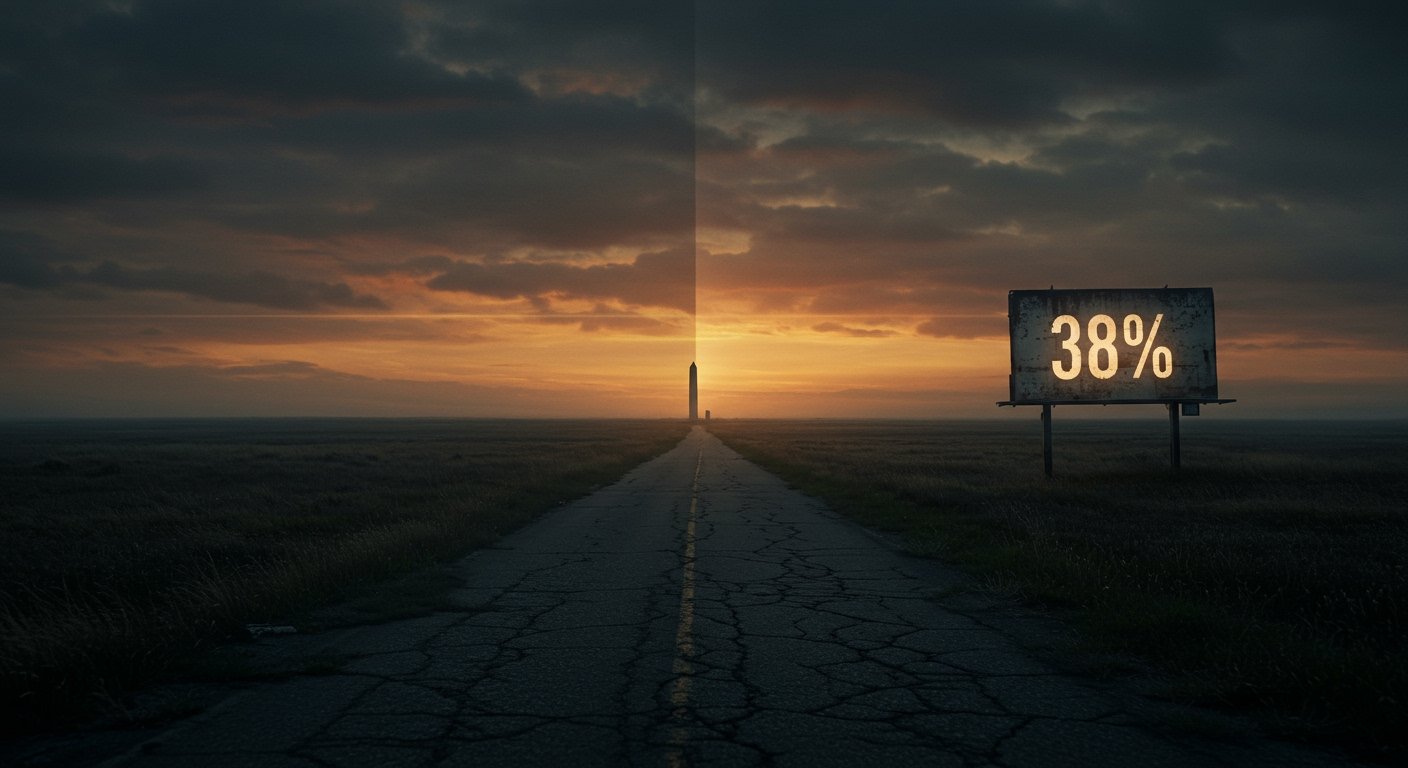


One of the most concerning aspects of the 2027 budgetary proposals is the uneven nature of the fallout. Major national museums located in Washington, D.C., or New York City often have diversified revenue streams, including corporate sponsorships, high-net-worth individual donors, and massive endowment funds. These institutions are better positioned to weather short-term federal fluctuations. In contrast, mid-sized and community museums often operate on “razor-thin” margins where federal funding can account for 15% to 30% of their annual operating budget.
For these institutions, a 10% or 20% cut in federal funding is not an annoyance; it is an existential threat. It could necessitate the reduction of open hours, the freezing of curatorial positions, or the suspension of educational outreach programs that serve underserved student populations. The 2027 crisis highlights a widening gap in cultural equity, where the preservation of national history may become increasingly centralized in wealthy, urban hubs, while the specific, unique histories of rural and marginalized communities are left to languish without the institutional infrastructure to support them.
The Shift Toward Privatized Philanthropy
As federal support faces potential reduction, the cultural sector is rapidly pivoting toward a model of increased private dependency. While philanthropy is a vital component of the American arts landscape, it is inherently inconsistent and rarely covers the “unsexy” operational costs—such as climate control, roof repairs, and archival shelving—that federal grants are uniquely suited to address. Private donors often prefer to fund new exhibitions, signature events, or specific acquisitions that offer visible returns on investment.
This shift creates a dangerous “maintenance gap.” If the 2027 budget cuts go into effect as proposed, museum directors are concerned that their buildings will degrade, their collections will suffer from improper storage conditions, and their staff will be stretched to the breaking point. The reliance on municipal government funding is also fraught with risk, as local governments are simultaneously struggling with their own fiscal pressures, including infrastructure demands and public safety budgets. The loss of federal support places the burden of cultural heritage maintenance on local taxpayers, who may not be equipped to absorb the additional costs.
Future Outlook and Strategic Preservation
Looking toward 2027, the outlook for cultural institutions is one of cautious consolidation. Many museum leaders are lobbying for a bipartisan reassessment of the value of federal arts funding, highlighting its role in soft power, education, and economic stability. If the proposed cuts hold, the next phase for the sector will be a period of intense collaboration, where smaller museums may be forced to merge, share administrative resources, or co-curate exhibitions to achieve the economies of scale necessary to survive. The coming months will be a decisive period for American museums, as the legislative session proceeds and the final impact of the 2027 budget becomes clear.
FAQ: People Also Ask
Q: What is the specific role of the NEA and IMLS in funding museums?
A: The NEA primarily supports public arts programming and engagement, while the IMLS is the primary source of federal support for libraries and museums, focusing on capacity building, technology, and collection management.
Q: Could private donations fully replace federal funding for these institutions?
A: No. While private donations are substantial, they often come with restrictions (e.g., funding only specific exhibits) and are not distributed equitably across the country, leaving rural and specialized museums at a distinct disadvantage.
Q: What happens if these museums cannot fill the funding gap?
A: If gaps remain unfilled, museums face reduced operating hours, staff layoffs, the cancellation of educational programs, and in severe cases, the permanent closure of historical sites or the deaccessioning of collection items to cover operational costs.