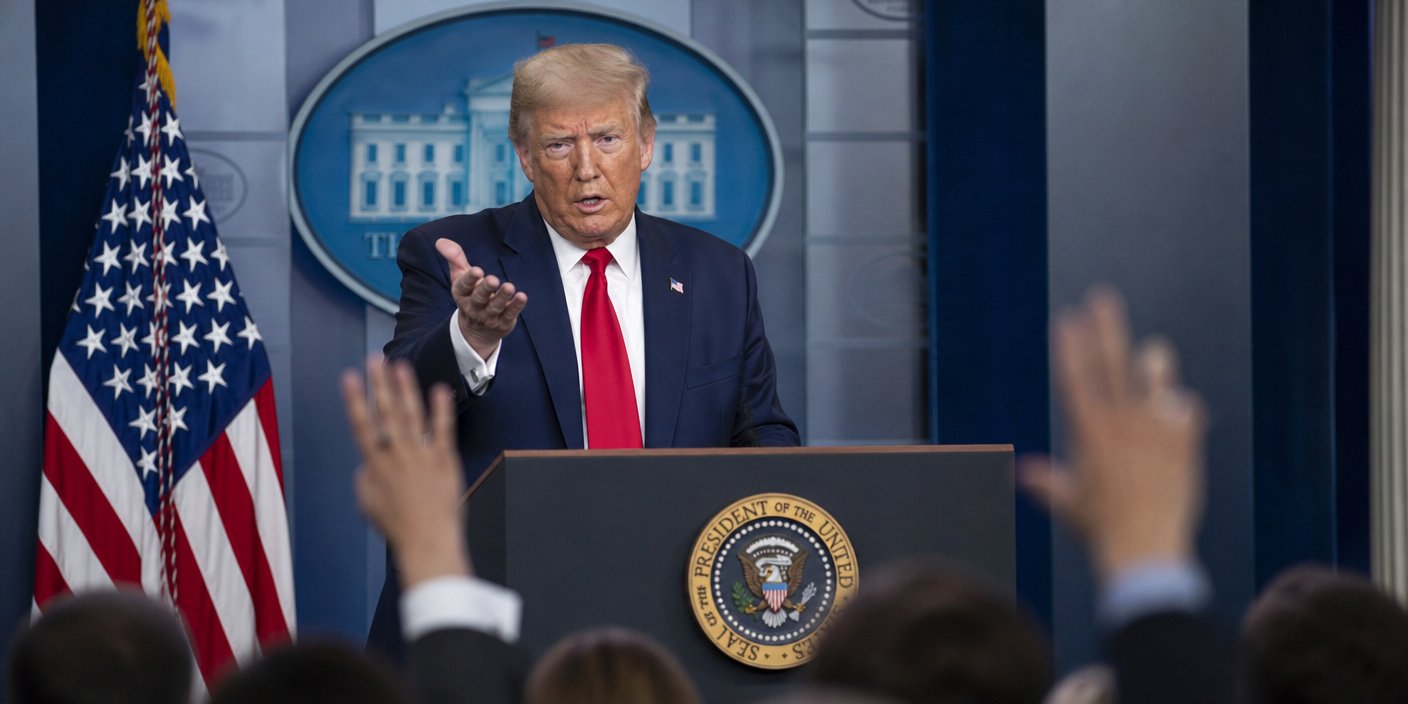
President Trump is employing a complex strategy regarding Iran, outwardly projecting military might through shareable social media content depicting distant violence in Iran, Venezuela, and the Caribbean, while simultaneously advocating for an end to the Iran war. This approach appears designed to satisfy a base that desires a strong military presence and decisive action, yet also acknowledges the lack of public support for prolonged conflict. Concurrently, the American Israel Public Affairs Committee (AIPAC) is investing significant resources to thwart the political resurgence of former Representative Cori Bush, whom they previously helped to unseat.
Key Highlights:
- President Trump’s social media highlights military power, featuring clips and memes of distant conflicts.
- Despite projecting strength, Trump publicly seeks an exit from the Iran war due to waning public support.
- AIPAC is actively working to prevent the political comeback of former Representative Cori Bush.
- The dual strategy aims to balance a desire for strong military action with the need for de-escalation.
The Spectacle of Power and the Pursuit of Peace: Trump’s Iran Conundrum
President Trump has cultivated a distinct online persona that amplifies distant conflicts, showcasing military might through visually striking, shareable content. These digital dispatches, often featuring clips and memes of power projected in regions like Iran, Venezuela, and the Caribbean, serve to invigorate supporters who may crave a demonstration of American strength. This strategy, however, operates in parallel with his public pronouncements that advocate for de-escalation and an end to the Iran war. The administration is navigating a delicate balance, attempting to project an image of resolve while simultaneously seeking a diplomatic off-ramp from a conflict that lacks robust public backing. This duality in messaging and strategy reflects a calculated effort to appeal to diverse segments of the electorate and to manage the complex geopolitical landscape.
The Social Media Battlefield
The President’s social media feeds have become a virtual armory, replete with imagery of military hardware and hypothetical engagements. These digital displays of force are not merely incidental; they are curated content designed for maximum impact and shareability. This approach allows the administration to project an image of unwavering strength and decisive action, which can resonate with voters who prioritize a robust national defense. The use of memes and short video clips transforms complex geopolitical scenarios into easily digestible, often visceral, content. This tactic, while effective in engaging a certain demographic, raises questions about the true nature of presidential engagement with foreign policy matters. It suggests a focus on the spectacle of power rather than the nuanced diplomacy required for sustained peace.
Seeking an Exit Strategy
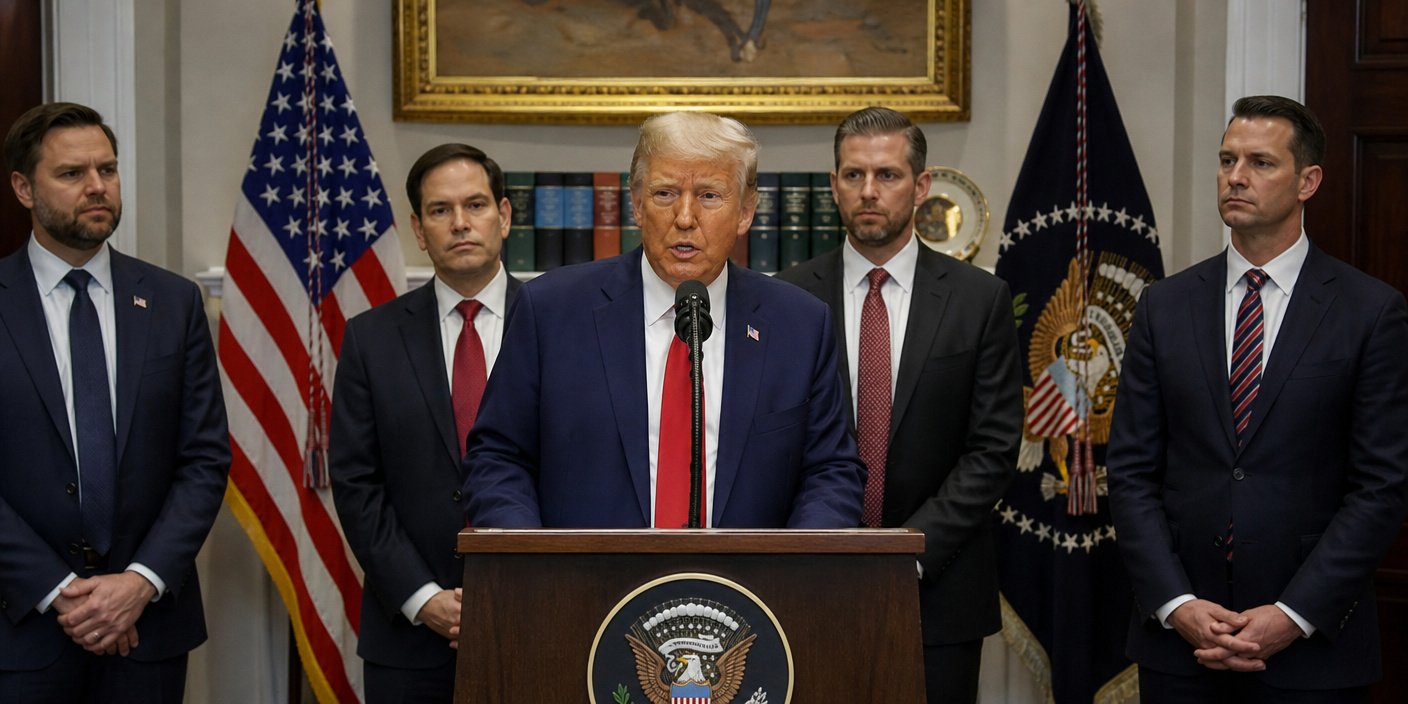
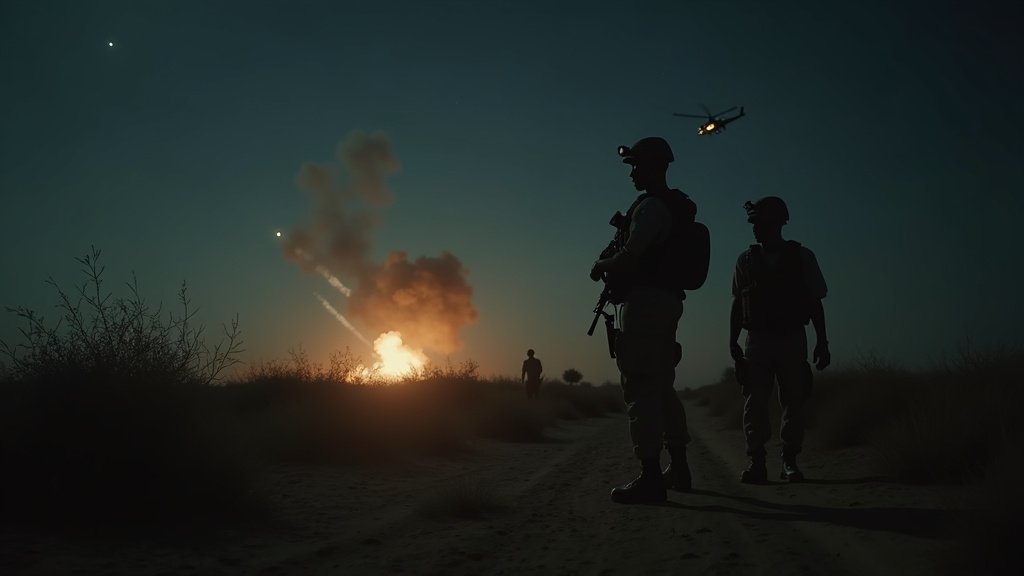

The paradox of Trump’s approach lies in his simultaneous calls for de-escalation. Public opinion polls and analyses often indicate a populace weary of foreign entanglements and hesitant to commit to protracted military interventions. The Iran war, in particular, appears to fall into this category, lacking widespread public enthusiasm. This presents a significant political challenge for any administration. Trump’s advocacy for an “end to the Iran war” can be seen as an attempt to align his administration with public sentiment, offering a path away from a potentially costly and unpopular conflict. This pivot, however, requires careful management to avoid appearing weak or indecisive to those who are drawn to his projection of military strength.
The AIPAC Factor and Political Showdowns
Beyond the intricacies of foreign policy, the source data highlights a significant domestic political struggle involving the American Israel Public Affairs Committee (AIPAC). This influential lobbying group is reportedly dedicating substantial resources to prevent the political comeback of former Representative Cori Bush. Bush, a prominent progressive voice, was previously unseated, and AIPAC’s involvement suggests a strategic effort to maintain its preferred political landscape. The group’s financial muscle and organizational capacity can significantly influence election outcomes, particularly in primary races. This engagement underscores the intersection of foreign policy interests and domestic political maneuvering, demonstrating how external lobbying efforts can shape the composition of Congress.
Historical Echoes and Evolving Strategies
The current situation evokes comparisons to past administrations’ approaches to international conflict and public opinion. The challenge of balancing a projection of strength with the need for de-escalation is not new. Historically, presidents have grappled with the public’s appetite for military intervention, often finding that initial support can wane as costs mount and objectives become unclear. Trump’s use of social media to frame these conflicts adds a contemporary layer to these enduring political dynamics. The effectiveness of such strategies in the long term, and their impact on diplomatic outcomes, remains a subject of ongoing analysis.
The Role of Media in Shaping Perceptions
The curated nature of Trump’s social media content underscores the critical role of media in shaping public perception of foreign policy. By selecting and disseminating specific types of imagery and narratives, administrations can influence how the public understands complex international events. The emphasis on “fire and might” through shareable clips and memes serves a particular purpose in this media ecosystem. It creates a readily consumable narrative of strength, potentially overshadowing the more intricate and less visually compelling aspects of diplomacy and de-escalation. This phenomenon highlights the ongoing evolution of political communication in the digital age.
FAQ: People Also Ask
Q1: What is President Trump’s stated goal regarding the Iran war?
A1: President Trump has publicly advocated for an end to the Iran war, seeking an exit from a conflict that reportedly lacks widespread public support.
Q2: How does President Trump use social media in relation to foreign conflicts?
A2: President Trump utilizes social media to share clips and memes that highlight military power and distant violence in regions like Iran, Venezuela, and the Caribbean, seemingly to appeal to a desire for strong action.
Q3: Who is AIPAC, and what is their involvement in current politics?
A3: AIPAC (American Israel Public Affairs Committee) is an influential lobbying group that is reportedly investing significant resources to prevent the political comeback of former Representative Cori Bush.
Q4: Why might President Trump be balancing projecting military might with seeking de-escalation in Iran?
A4: This dual approach likely aims to satisfy a base that desires a strong military presence while also acknowledging the lack of public support for prolonged conflict, seeking to navigate both domestic and international pressures.
Q5: What is the significance of the financial resources AIPAC is dedicating to political contests?
A5: AIPAC’s substantial financial investment in political races, such as their efforts against Cori Bush, highlights the influence of lobbying groups in shaping election outcomes and advancing specific foreign policy interests within the U.S. political system.